
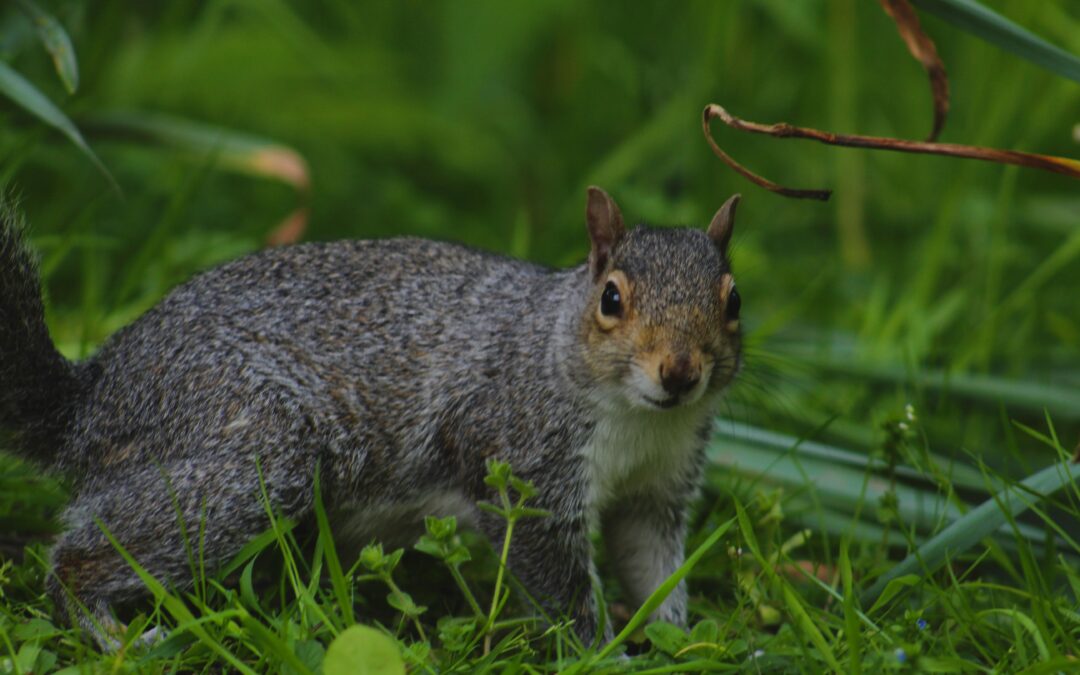
Have you ever been lying in bed, trying to get some sleep, and suddenly heard little rustles or squeaks outside your window? More often than not, those nocturnal noises aren’t from the wind or a passing car, they’re from squirrels. Yes, those energetic little rodents usually associated with daylight acrobatics are sometimes surprisingly active at night. Understanding these nighttime squirrel sounds can tell a lot about what’s happening in your backyard, around your house, or even within the forest nearby.
From my own personal experience, noticing these sounds and learning to interpret them can change the way one thinks about these tiny mammals. They’re not just cute daytime visitors, they’re complex creatures with behaviors and communications that extend into the nighttime hours.
Why Squirrels Make Noise at Night
Most people assume squirrels are strictly diurnal, meaning they’re active only during the day. While it’s true that squirrels prefer daytime activity, nighttime sounds are not unusual. Several reasons can trigger nighttime vocalizations:
Territorial Disputes
Squirrels are territorial creatures. A squirrel might make repeated chirps, squeaks, or chatter-like noises to warn other squirrels to stay away from its territory. These calls are particularly noticeable during mating season or in areas where food is scarce.
Predator Alerts
Just like birds or other wildlife, squirrels communicate potential dangers to each other. If a predator, like an owl, fox, or even a neighborhood cat, is nearby, squirrels may use sharp squeals or high-pitched barks to warn others. Hearing these sounds at night can indicate that nocturnal predators are active nearby.
Mating Calls
While most mating activity happens during the day, some squirrels engage in nighttime mating or at least use night to scout for potential partners. Noises during these times can include softer chirps, low chattering, or even a series of repeated squeaks.
Juvenile Exploration
Young squirrels often leave their nests during twilight or early night, especially if food scarcity pushes them to explore. Their noises are usually higher-pitched and more erratic, reflecting both excitement and fear.
Food Searching
Some squirrels may venture out at night to search for food, particularly in urban areas where artificial lighting allows them to navigate easily. The rustling, scratching, and chittering noises may simply be squirrels investigating nuts, seeds, or even garbage bins.
Understanding the context of these sounds is key. A quiet chirp every now and then is likely harmless, but a series of frantic or repeated squeaks could indicate danger or stress in your local squirrel population.
Common Nighttime Squirrel Sounds and What They Mean
Squirrel sounds are diverse, and learning to recognize them can be fascinating. Here’s a breakdown of the most common nocturnal sounds and their probable meanings:
1. Chirps and Tweets
These are short, high-pitched sounds, often repeated rapidly. During the day, these sounds might signal alertness or friendliness, but at night, they often serve as:
- Warnings to other squirrels about predators
- Territorial signals telling intruders to stay away
From my own personal experience, listening to these chirps in the middle of the night can sometimes feel like a tiny alarm system. It’s as if the squirrels are saying, “Be careful, someone’s out there!”
2. Squeaks and Screeches
Squeaks are more intense than chirps and can carry anxiety or alarm. A nighttime squeak usually signals:
- Immediate danger or a threat nearby
- Frightened juveniles separated from their nest
- Defensive communication during territorial disputes
If the squeaks are long and repetitive, it’s often a sign of conflict or panic. In urban areas, this could be a response to a dog, cat, or even human interference.
3. Barking Sounds
Squirrels sometimes produce sounds that resemble a small dog’s bark. At night, barking is typically:
- A serious alert for other squirrels
- A signal to predators that the squirrel has detected them and is aware
- A warning to humans that the animal feels threatened
From my own personal experience, these barks can be startling in the middle of the night, especially when they echo in quiet neighborhoods. However, they are a natural part of squirrel communication.
4. Chattering
Rapid teeth-chattering sounds are common during moments of aggression or excitement. At night, this sound can indicate:
- Fights over territory
- Competition for food
- Excitement during mating periods
Chattering is usually accompanied by rustling as squirrels move around their trees or nests. It’s not aggressive toward humans, but it’s fascinating to witness from a distance.
5. Rustling and Movement Sounds
Squirrels rarely stay completely still. The movement of small bodies through leaves, twigs, or roof shingles can create a rustling sound. At night, this sound often comes from:
- Exploring juveniles leaving the nest
- Foraging adults seeking nighttime food
- Nest repairs or adjustments
Even when no vocal sounds accompany the rustling, it provides clues about activity in the area.
Why Some Squirrels Are Active at Night
If you think all squirrels sleep when the sun sets, it’s worth reconsidering. There are several factors that can encourage nocturnal activity:
- Urban Light Pollution – Artificial lighting in cities and suburbs allows squirrels to navigate safely at night, encouraging them to forage or explore when humans are less active.
- Food Scarcity – When daytime food is limited, squirrels may take advantage of quieter night hours to search for seeds, nuts, or human leftovers.
- Predator Avoidance – Some squirrels may adapt nocturnal behavior to avoid daytime predators, such as hawks. Night activity can reduce their exposure.
- Temperature – In warmer climates, nighttime activity may be more comfortable than foraging during hot days.
Not every squirrel population is nocturnal, but occasional nighttime activity is increasingly common, especially in urban areas.
How to Identify the Source of Nighttime Squirrel Sounds
If there’s consistent nighttime squirrel activity near your home, it can be helpful to identify where the sounds come from. This can help determine whether squirrels are simply passing through, nesting nearby, or causing potential issues. Here’s a guide:
- Follow the Direction of Sound – The squeaks, chirps, and rustles usually come from trees, roof eaves, or attics. Listening from different positions outside can help pinpoint the source.
- Look for Physical Signs – Droppings, gnawed wood, or displaced leaves can indicate active nests or foraging areas.
- Observe Timing Patterns – Some squirrels are active only during certain parts of the night, often near dusk or pre-dawn. Noticing patterns can help you anticipate activity.
- Use Night Vision Tools – Binoculars or night-vision cameras can allow you to observe nocturnal activity without disturbing the animals.
From my own personal experience, simply standing quietly with a flashlight on low and listening carefully can reveal a surprising amount of activity. You might see a tiny squirrel silhouette against the roof or a shadow moving in a tree.
Nighttime Squirrel Behavior Insights
Beyond their sounds, nocturnal activity reveals insights into squirrel behavior that aren’t obvious during the day:
- Nesting Habits – Squirrels sometimes adjust or rebuild nests at night, especially if daytime disturbances occur.
- Social Communication – Nighttime vocalizations help squirrels maintain contact, especially between mothers and young.
- Problem-Solving Skills – Nocturnal foraging shows adaptability, as squirrels must navigate in low light conditions.
- Stress Responses – Frequent or frantic nighttime noises can indicate stress from predators, competition, or environmental changes.
Understanding these behaviors can help homeowners, wildlife enthusiasts, or backyard observers interpret what’s happening in their immediate environment.
Common Misconceptions About Nighttime Squirrel Sounds
Many people misinterpret these noises, assuming all nocturnal sounds are from raccoons, possums, or other larger wildlife. Some misconceptions include:
- All squeaks at night are predatory warnings – While some are warnings, many are simply communication or play between squirrels.
- Squirrels are strictly diurnal – As discussed, environmental changes and urban areas can shift their activity to nighttime.
- Nocturnal sounds indicate infestation – Occasional noises don’t necessarily mean an infestation. Persistent activity may indicate nesting, but occasional sounds are normal.
Recognizing these misconceptions can prevent unnecessary worry or overreaction.
How to Respond to Nighttime Squirrel Activity
If nighttime squirrel sounds are frequent or disruptive, there are a few approaches to manage the situation without harming wildlife:
- Secure Food Sources – Remove easily accessible trash, bird feeders, or garden crops that might attract nighttime foragers.
- Block Entry Points – Inspect attics, roof eaves, and vents for potential nesting spots and seal them if safe to do so.
- Use Motion-Activated Lights – Bright lights can deter nighttime activity near sensitive areas.
- Avoid Disturbance – Avoid loud noises or attempts to chase squirrels, which can stress them and increase nocturnal activity.
- Consult Wildlife Experts – If activity is persistent or causing damage, professional guidance ensures safe and legal removal or deterrence.
From my own personal experience, most nighttime activity can be managed through preventive measures without ever having to confront the animals directly.
Fascinating Nighttime Squirrel Facts
To wrap things up, here are some interesting facts about why nighttime squirrels are more common than many people realize:
- Squirrels have excellent night vision compared to humans, helping them navigate low light environments.
- Some species, like the flying squirrel, are naturally nocturnal. Their vocalizations at night can be mistaken for common day-active squirrels.
- Urban squirrels often adjust their schedules based on human activity and artificial light, blurring the line between day and night.
- Nocturnal sounds can include a mix of vocal communication, tail flicks, and body movements, creating a complex language system.
- Listening carefully over time can reveal distinct “personalities” among squirrels, each with unique sounds and activity patterns.
Conclusion
Nighttime squirrel sounds are more than just background noise. They provide insight into communication, behavior, and the adaptability of these fascinating creatures. By paying attention to chirps, squeaks, barks, and rustles, it’s possible to understand territorial disputes, predator alerts, foraging habits, and even social interactions among squirrels.
From my own personal experience, taking the time to observe and interpret these sounds turns ordinary nights into opportunities for learning and connection with the natural world. The next time a nighttime squeak or rustle breaks the silence, it’s worth pausing and listening closely, you might just discover a whole hidden side to these small but intriguing animals.
Understanding these sounds can also help manage any potential problems while maintaining a respectful distance from wildlife. Squirrels are adaptable, clever, and surprisingly social, and their nighttime sounds reflect that complexity beautifully.