
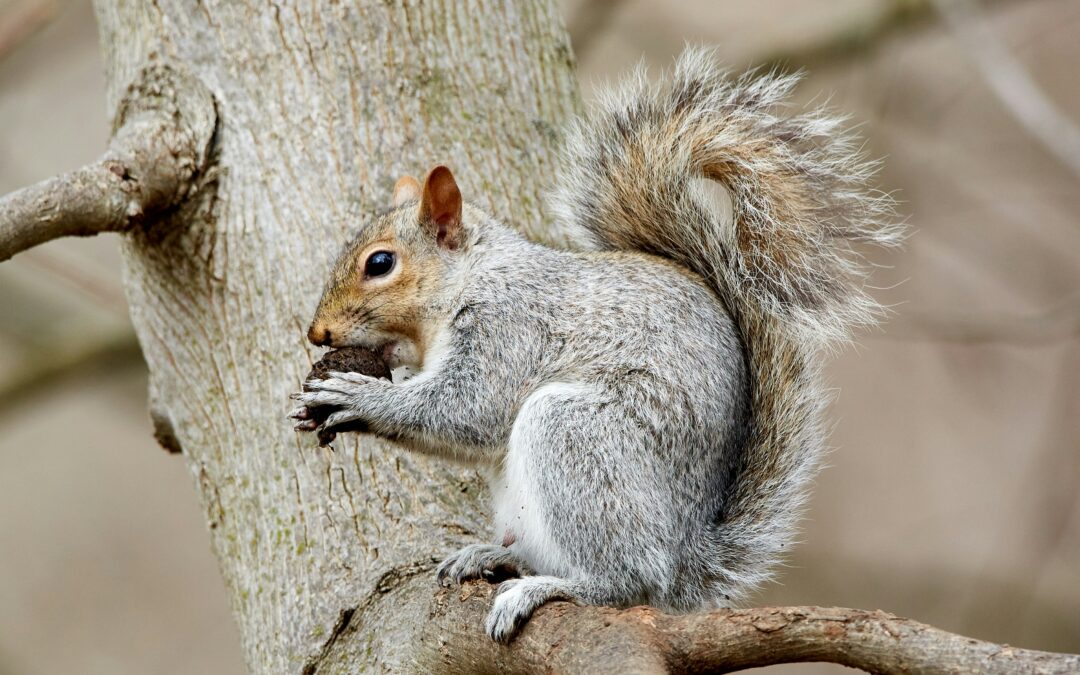
Squirrels look cute. They move fast, twitch their tails, and nibble on acorns in the park. At first glance, they seem harmless, like background characters in nature’s daily show. But then the question pops into your mind: should you actually be afraid of squirrels?
It sounds funny, right? Fear usually attaches itself to bigger, scarier animals, snakes, wolves, or even stray dogs. But squirrels? They’re tiny, fluffy, and usually no more than a foot long, tail included. Still, the question isn’t as silly as it seems.
Let’s jump in and break this down. By the end, you’ll know exactly whether squirrels are creatures you should admire from a distance, avoid entirely, or interact with carefully.
Why squirrels get your attention
The reason this question even matters is because squirrels live close to you. Unlike animals that stay in forests or far-off places, squirrels set up shop right in your yard, your city park, or even on your balcony if food is easy to grab.
You see them every day, and they see you too. This closeness makes people wonder: are they safe neighbors, or potential troublemakers?
The good side of squirrels
Before focusing on fear, it’s worth highlighting the positive. Squirrels play a role in nature that you probably don’t think about much.
They spread seeds
Every time a squirrel buries a nut and forgets about it, a tree gets a chance to grow. Forests around the world owe part of their expansion to these little scatter-hoarders.
They clean up food waste
In cities, squirrels eat dropped food, birdseed, or leftovers. They help reduce the mess that would otherwise rot on the ground.
They’re entertaining
Kids and adults alike pause to watch squirrels chase each other, leap across trees, or balance on power lines. They add character to parks and gardens.
So, in many ways, squirrels are useful. But usefulness doesn’t automatically mean you should get close.
The less cute side of squirrels
Now, here’s where your question takes shape. Squirrels, despite their fluffy appearance, aren’t risk-free.
They can bite
A squirrel’s teeth never stop growing. To keep them sharp and manageable, squirrels chew constantly. If cornered or provoked, they can and will bite. That bite isn’t playful, it’s sharp enough to pierce skin.
They carry parasites
Like many wild animals, squirrels can host fleas, ticks, or mites. These parasites can jump from animal to human if contact happens.
They cause property damage
If a squirrel gets into your attic, basement, or garage, it won’t be polite. They chew wires, rip insulation, and gnaw on wood. That damage can be expensive to fix.
They can be aggressive when food is involved
Squirrels learn quickly. If you feed them once, they remember. Some even get bold enough to demand food, approaching closely or even climbing onto people. That confidence can turn to aggression if they feel ignored.
Fear vs. caution
So, should you be afraid? Fear implies panic or avoidance, but squirrels usually don’t deserve that level of reaction. Instead of fear, think caution.
You don’t need to run when you see a squirrel. But you also don’t need to treat it like a pet. The safest position is somewhere in between: respect the animal, don’t provoke it, and keep your distance.
Personal experience with squirrels
From my own personal experience, squirrels are curious but unpredictable. I once sat on a park bench eating a sandwich, and a squirrel came close, clearly interested. At first, I thought it was cute. But when I didn’t share food, it started chattering loudly and darting closer in short bursts.
That moment taught me something simple: squirrels aren’t trying to be mean, but they can be bold. And if they feel entitled to food, you might not enjoy how close they get.
Why people develop fear of squirrels
For some, squirrels are not just a mild concern, they trigger real fear. There are a few reasons for this:
The sudden movements
Squirrels move fast and unpredictably. They dash, stop, and leap with no warning. That energy can startle you.
Past encounters
Maybe you’ve been bitten, scratched, or chased. Even one bad encounter can plant lasting fear.
Health concerns
News stories about rabies, parasites, or infestations make people cautious.
Unfamiliarity
If you didn’t grow up around squirrels, they may seem foreign, like small rodents you don’t fully understand.
Rabies and squirrels
This is one of the biggest questions people have: can squirrels give you rabies?
The answer: it’s extremely rare. Unlike raccoons, bats, or foxes, squirrels almost never carry rabies. In fact, the CDC states that small rodents like squirrels are not common transmitters of the disease.
So while bites are possible, rabies isn’t a real concern in most cases. The bigger risk is infection from bacteria in their saliva, not rabies itself.
Why you shouldn’t feed squirrels
Feeding squirrels might feel fun, but it creates problems:
- They lose fear of humans and start demanding food.
- They crowd in large numbers, which spreads parasites faster.
- They may bite or scratch when frustrated.
If you want to support squirrels, plant trees or shrubs that provide natural food instead of hand-feeding them.
How squirrels behave in urban settings
City squirrels are bolder than forest squirrels. In cities, they adapt to human presence, learning that garbage cans and outdoor tables mean easy food. This makes them more likely to approach you.
But boldness doesn’t equal friendliness. It’s survival strategy. The squirrel doesn’t want friendship, it wants your sandwich crust.
Squirrel damage to homes
If you hear scratching in your attic or walls, it might be a squirrel. Signs include:
- Droppings or urine stains
- Chewed wires
- Nesting material
- Strange smells
A trapped squirrel can panic and destroy property quickly. Professional removal is often the best option.
The role of fear in balance
So, circling back: should you fear squirrels? Not in the sense of panic. But a little wariness helps. You’re not dealing with a cartoon character, you’re dealing with a wild animal.
That fear, if you call it that, is just respect for boundaries. Fear pushes you to keep your distance, to avoid feeding, and to protect your home.
Teaching kids about squirrels
Kids naturally chase animals. But with squirrels, it’s better to teach respect early. Show kids that watching is fine, but chasing or feeding isn’t. This keeps both the child and the squirrel safe.
What to do if bitten by a squirrel
If you ever get bitten, follow these steps:
- Wash the wound with soap and water immediately.
- Apply antiseptic cream.
- Cover with a clean bandage.
- Seek medical advice, especially if the wound is deep.
Even though rabies is unlikely, infection is possible.
Should squirrels scare you more than rats?
This comparison comes up often. Rats scare people easily, while squirrels often get a pass. But biologically, they share similarities: both are rodents, both chew constantly, and both adapt well to cities.
The difference is image. Squirrels look fluffy and live in trees, while rats scavenge in drains. But in terms of property damage, they can be equally destructive.
Final thought
So, should you be afraid of squirrels? The answer is no, you shouldn’t fear them in the way you fear snakes or wolves. But you should respect them. They’re wild animals with sharp teeth, strong instincts, and a drive to survive.
Enjoy them from a distance. Watch them leap from branch to branch, admire their energy, and let them go about their business. Just don’t invite them closer than necessary.
Fear isn’t the right word. Caution is.