
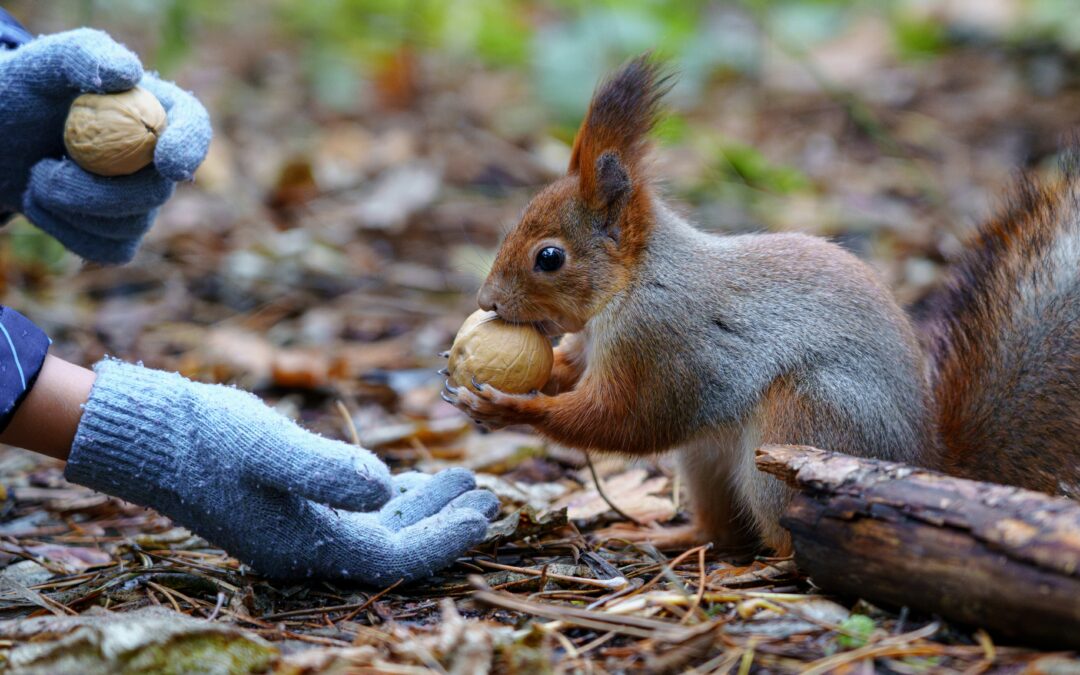
Squirrels are curious little creatures that bring life and energy to backyards, parks, and forests. Watching them scurry around, chase each other up trees, and hold food in their tiny paws is something many people enjoy. But the question that often comes up is simple: what can you feed squirrels?
If you’ve ever seen them digging in the soil, raiding bird feeders, or carrying nuts back to their nests, you already know squirrels aren’t picky. Still, giving them food that actually helps their health instead of harming them is important. Let’s break this down step by step so you’ll know exactly what’s safe, what to avoid, and even how to make your squirrel-feeding routine fun.
Why People Feed Squirrels
You might ask yourself why people even feed squirrels when they can find food on their own. There are a few reasons.
People like seeing wildlife close to home, and squirrels are usually less shy than many animals.
Feeding squirrels helps them during tough seasons when natural food is scarce, like in late winter or very dry summers.
For some, it’s simply relaxing to put food out and watch them return every day.
From my own personal experience, feeding squirrels feels like building a small bond with nature. They start to recognize safe spots, return regularly, and even bring a bit of excitement to your morning coffee when you see them show up.
The Basics: What Do Squirrels Eat Naturally?
Before deciding what to feed squirrels, it helps to understand their natural diet. Squirrels are omnivores, which means they eat both plant-based and animal-based food. Here’s what they usually find in the wild:
- Nuts (acorns, walnuts, hazelnuts, pecans)
- Seeds from pine cones or plants
- Fruits like apples, berries, or pears
- Vegetables from wild plants
- Mushrooms
- Insects, small bird eggs, or even baby birds (less common, but it happens)
Knowing this helps you see that squirrels already have a varied diet. So when you feed them, you want to stay close to what nature provides, instead of giving them food that doesn’t suit their bodies.
Safe Foods You Can Feed Squirrels
Here’s a detailed look at foods that are safe and healthy for squirrels.
Nuts
Nuts are probably the first food you think of for squirrels, and yes, they love them. Walnuts, hazelnuts, almonds, and pecans are all great choices. Just make sure they are unsalted and not roasted. Salted or flavored nuts can harm squirrels.
Acorns are also natural for them, though they sometimes avoid very bitter ones. If you collect fresh acorns in fall, squirrels will gladly take them.
Seeds
Pumpkin seeds, sunflower seeds, and squash seeds are favorites. Just like with nuts, keep them unsalted. Seeds provide good fats and energy.
Fruits
Squirrels enjoy apples, grapes, pears, bananas, peaches, and berries. These can be cut into small pieces. Fruits should be given in moderation since too much sugar can upset their system.
Vegetables
Carrots, peas, corn, leafy greens, and sweet potatoes are all good. Fresh vegetables give them vitamins and minerals they need.
Grains
Whole grains like oats, barley, and wheat can be fed in small amounts. You can scatter them around or mix them with seeds.
Mushrooms
In the wild, squirrels eat wild fungi. You can give store-bought mushrooms (like button mushrooms), and they’ll often nibble on them happily.
Foods You Should Avoid
It’s just as important to know what not to feed squirrels. Some foods are harmful or even toxic.
- Processed foods like chips, bread, or candy.
- Foods high in sugar or salt.
- Raw peanuts (these can contain toxins and mold).
- Chocolate, which is toxic to many animals.
- Junk food or anything fried.
How to Feed Squirrels Safely
Feeding squirrels isn’t just about what you put out, but also how you do it.
- Place food in a safe area, ideally away from busy roads or cats.
- Use a feeder box designed for squirrels so they have a spot that feels secure.
- Don’t overfeed. Give small amounts so they still look for natural food.
- Keep the feeding area clean to avoid attracting rats or insects.
From my own personal experience, setting up a small wooden feeder in a backyard tree works best. It keeps food off the ground, the squirrels feel safe, and you get a clear view when they show up.
Seasonal Feeding Tips
Different seasons affect what squirrels need.
- Spring: Fresh greens and fruits work well as they come out of winter.
- Summer: Water sources are important since heat can stress them.
- Fall: Nuts and seeds are perfect since squirrels are storing food for winter.
- Winter: High-energy food like nuts, corn, and sunflower seeds help them stay warm.
The Social Side of Feeding Squirrels
Feeding squirrels is not just about giving food. It creates a small community feeling. You start to recognize certain squirrels by their markings or behavior. Some are bold and come close, while others stay shy. Over time, you might notice patterns, like one squirrel always carrying food away while another eats right at the feeder.
It also makes neighbors smile when they see squirrels gathering. People walking by often stop to watch, and it can spark conversations about nature and care for wildlife.
Do Squirrels Become Dependent on Humans?
This is a common concern. If you feed squirrels too much, will they stop looking for their own food? The answer is usually no, as long as you feed in moderation. Squirrels are natural foragers, and even if you give them food, they’ll still spend time hunting for acorns, seeds, and insects.
What can happen is that squirrels get used to your feeding schedule. They might start showing up at certain times of day, waiting near your yard. That’s not a problem unless you stop feeding suddenly during a season when food is hard to find.
Fun Ways to Feed Squirrels
You don’t have to just scatter food on the ground. There are creative ways to make feeding time fun:
- Feeder boxes with lids that squirrels learn to open.
- Corn wheels where squirrels have to spin the cob to eat.
- Hanging feeders that make them stretch and climb.
These not only help the squirrels but also make watching them more entertaining for you.
The Connection Between Squirrels and Bird Feeders
If you’ve ever put up a bird feeder, you already know squirrels love to steal from it. They’re smart, persistent, and often manage to get what they want. Some people get frustrated, but others enjoy the challenge of building “squirrel-proof” feeders.
If you don’t want them to raid birdseed, consider putting out a separate squirrel feeder. Often, giving them their own food source keeps them busy and away from the bird feeders.
Teaching Kids About Nature Through Squirrels
Feeding squirrels is a great way to teach kids about wildlife. They get to see animals up close, learn about what they eat, and understand how seasons affect nature. It’s a safe, simple way to connect children with outdoor life.
Final Thoughts
So, what can you feed squirrels? The answer is plenty of healthy, natural foods like nuts, seeds, fruits, and vegetables. Avoid processed or harmful food, feed in safe spots, and enjoy the playful show they put on.
Based on my overall experience, feeding squirrels has been one of the simplest ways to bring daily joy and a touch of wild nature into ordinary spaces. It’s rewarding, fun, and something that creates a small but meaningful connection with the environment around you.