
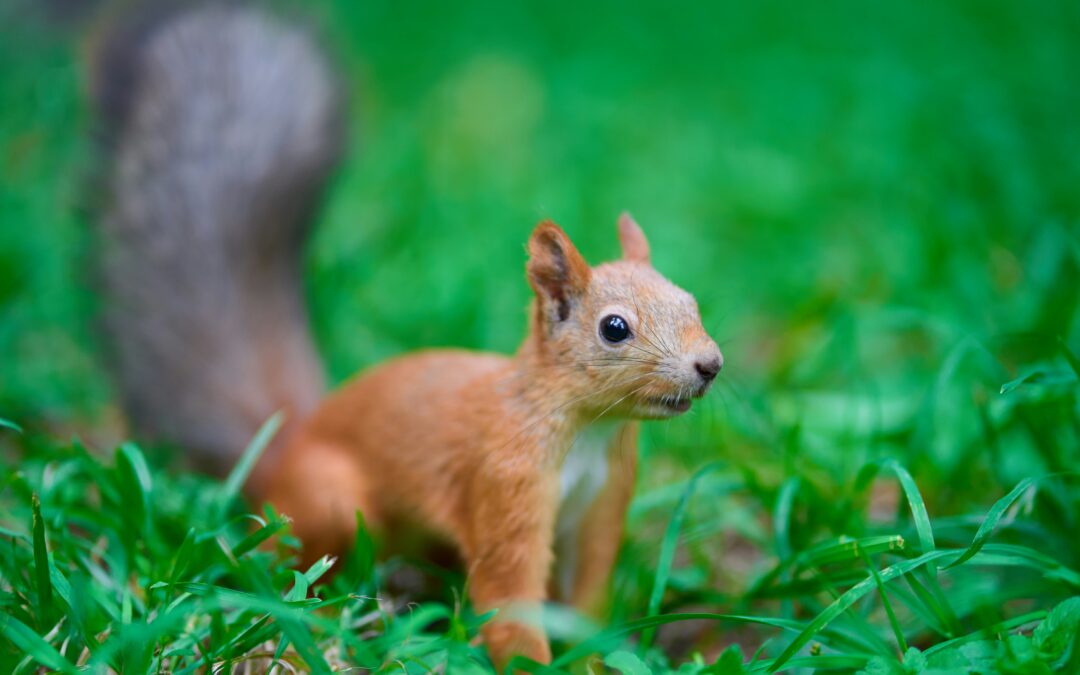
Squirrels might look like simple, busy little creatures, always darting across trees and gathering food. But if you’ve ever spent time around them, you may have wondered if they actually recognize and remember you. The thought might come when you see the same squirrel in your backyard each morning, or when one of them boldly approaches you as if they already know what you’re about to do. From my own personal experience, squirrels are far more intelligent and observant than people often give them credit for, and the way they interact with humans suggests that memory plays a strong role.
This question, “Do squirrels remember you?” is more than just curiosity. It connects to how animals build trust, how they adapt to human presence, and how memory shapes survival for a species that relies so much on planning and storing food. To really answer it, you need to look at how memory works for squirrels, how they interact with humans over time, and what signs you can look for in your own encounters.
How Squirrel Memory Works
Squirrels are not random in their actions. Their survival depends heavily on remembering locations, routes, and safe zones. One of the clearest examples is food caching. Squirrels bury nuts across wide areas and later retrieve them, often months afterward. This isn’t pure chance, it’s memory in action. They rely on a combination of spatial memory and scent to track down what they’ve hidden.
This ability shows that their memory is strong and consistent. If they can recall where they buried hundreds of nuts, it makes sense that they can also recall faces, movements, and repeated experiences with people.
Recognition of Humans
If you’ve ever fed squirrels on a regular basis, you might notice they start approaching you more confidently. Some even climb closer to your hands without fear. This isn’t random boldness, it’s recognition.
Squirrels notice patterns:
- Body language – They watch the way you move. If you’re calm and slow, they associate that with safety.
- Voice – Some people report squirrels responding to the sound of their voice after repeated contact.
- Appearance – Bright clothing, hairstyles, or other details can be markers that squirrels use to tell you apart from strangers.
So yes, they do remember you if the interactions are consistent enough.
Building Trust Over Time
Trust with squirrels doesn’t happen overnight. They’re naturally cautious because predators are always a threat. But repeated positive interactions, like feeding or simply being near without scaring them, create memory connections for them. They begin to associate you with food, safety, and calm.
This doesn’t mean they see you as a friend in the same way humans think of friendship. Instead, they slot you into their world as a safe presence. The more consistent you are, the stronger the recognition becomes.
My Personal Stories and Observations
From my own personal experience, I once spent months feeding a small group of squirrels in a nearby park. At first, they kept a wide distance, waiting until I left before approaching the food. But within weeks, they began inching closer during my visits. Eventually, one of them started climbing down the tree before I even sat down, as if expecting me. This showed me that memory was guiding their behavior.
Other people share similar stories, squirrels waiting in the same spot at the same time each day, or running up when they recognize a familiar sound like a rustling food bag. These experiences suggest that memory is not only present but also actively shaping how squirrels respond to humans they know.
Signs a Squirrel Remembers You
There are some clear ways to tell if a squirrel remembers you:
- They approach you faster than they do with strangers.
- They linger in the area when you arrive instead of running away.
- They perform little gestures like standing up, flicking their tails, or making small sounds, as if signaling awareness.
- They appear at the same time of day or in the same location expecting interaction.
These are all practical signs that recognition and memory are at play.
Why Memory Matters for Squirrels
Squirrels rely on memory not only for food but also for safety. They must remember which humans are safe and which ones pose danger. This selective memory protects them and saves energy, they don’t have to start from scratch every time. If you consistently appear harmless or even beneficial, they store that information.
Comparing Memory in Different Species
Squirrels aren’t the only animals with this kind of recall. Birds like crows and ravens are famous for recognizing human faces. Dogs and cats clearly remember their owners and respond to familiar voices and scents. What makes squirrels unique is their balance between caution and curiosity. Their memory seems to operate in ways that help them adapt to city life just as much as forests.
This adaptability shows how strong their memory actually is. Urban squirrels, for example, may quickly learn to avoid streets or people who chase them, while still approaching those who feed them.
The Emotional Side of Recognition
While science often focuses on survival functions, there’s also an emotional layer to these interactions. People often feel a bond when a squirrel seems to “know” them. It creates a small but meaningful connection to wildlife, reminding us that animals are more aware than we sometimes assume.
Squirrels may not feel emotions in the same way humans do, but they certainly display trust behaviors. These behaviors, shaped by memory, are the building blocks of what looks like a relationship between human and squirrel.
Misconceptions About Squirrel Memory
A common myth is that squirrels forget where they bury most of their nuts. While it’s true some caches are forgotten, many are recovered thanks to memory. The forgotten ones actually help forests grow, so both outcomes are useful.
Another misconception is that squirrels act randomly around people. In reality, their responses are shaped by repeated experiences, just like memory guides other animals.
Practical Ways to Test If a Squirrel Remembers You
If you want to see this for yourself, try consistency:
- Visit the same spot at the same time of day.
- Bring food like nuts or seeds each time.
- Keep movements calm and steady.
- Observe whether the squirrels respond faster or get closer each time.
Over weeks, you may notice that they expect your visits. That’s memory in action.
Based on My Overall Experience
Based on my overall experience, squirrels are surprisingly sharp and selective in what they remember. They may not remember every single human, but they do hold onto patterns that matter to their survival. And if you’ve built a small connection through repeated trust, it’s likely they’ll recognize you the next time.
Conclusion
So, do squirrels remember you? The answer is yes, especially if you’ve built consistent interactions with them. Their memory, sharpened by the need to store food and avoid danger, extends naturally into recognizing humans who show up regularly in their space.
From my own personal experience, that recognition feels real. It might not be friendship in the human sense, but it’s a clear sign of awareness, memory, and trust. If you want to experience it yourself, patience and consistency are key. Spend time, show care, and you may find that the little squirrel that once darted away now waits calmly when you arrive.
This small connection is proof that nature doesn’t forget as easily as people think.