
Squirrels have always been a part of daily life in parks, gardens, and woodlands. But not all squirrels are the same. In many places, you’ll hear people talk about grey squirrels and red squirrels as if they’re rivals. And honestly, in some ways, they are. Grey squirrels are often seen as the pushy newcomers that outcompete red squirrels, while red squirrels are viewed as the charming originals fighting for survival.
From my own personal experience, seeing both species up close makes you realize how different they really are, not just in color but in behavior, survival skills, and how they interact with their surroundings. This blog will break down everything you need to know about these two types of squirrels: their differences, similarities, habitats, diets, behavior, and why their story matters more than you might think.
Where Grey and Red Squirrels Come From
Red squirrels are native to Europe and parts of Asia. They’ve been living in forests here for thousands of years, adapting to woodland life long before cities and parks took shape. Their presence was natural, balanced, and stable until something shifted.
Grey squirrels, on the other hand, are not native to Europe. They were brought over from North America in the late 19th century. What started as a handful of introductions in the United Kingdom and parts of Italy soon spread. Grey squirrels thrived in their new environment because they had no natural predators holding them back, and they adapted faster than the red squirrels around them.
This origin story is what fuels much of the debate. Grey squirrels weren’t meant to be here, yet they now dominate many areas where red squirrels once thrived.
Appearance: More Than Just Color
At first glance, the most obvious difference between grey and red squirrels is their fur. But if you take a closer look, you’ll spot more distinct features.
Grey squirrels, true to their name, usually have grey fur with hints of brown. Their bodies are larger, averaging around 9 to 12 inches long, not including their tails. Their bushy tails add another 8 to 10 inches. They often look bulkier and sturdier than reds, which makes them well-suited for surviving in both wild woodlands and urban areas.
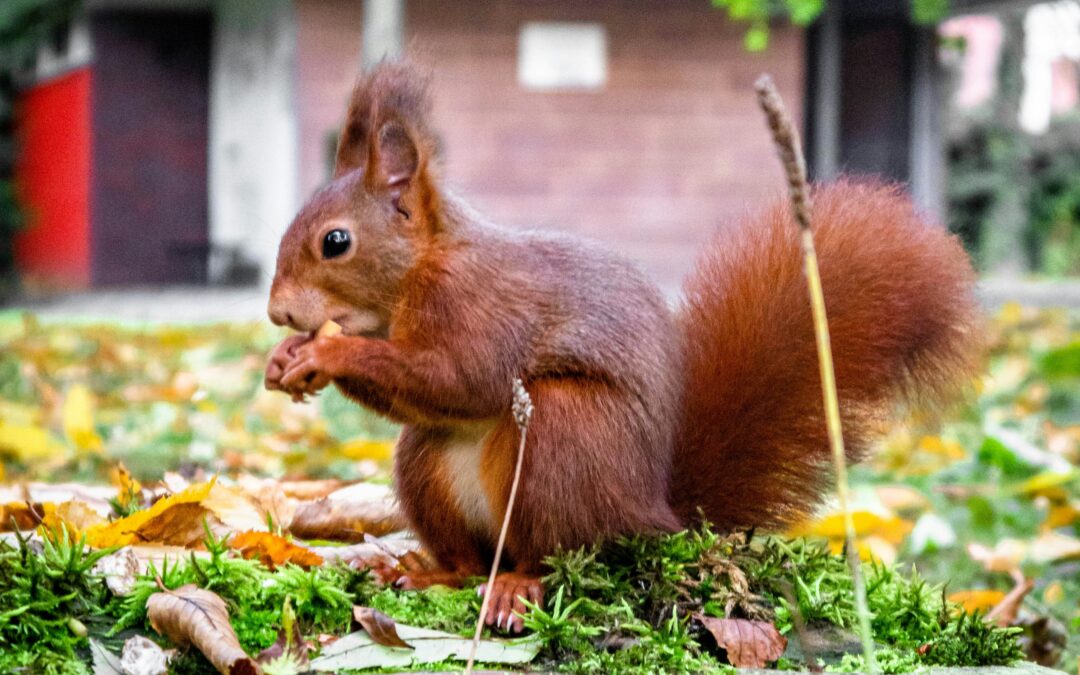
Red squirrels, on the other hand, are smaller and more delicate in build. Their fur ranges from bright reddish-orange to deep chestnut brown, depending on the season and region. One of their standout features is the tufts of hair on their ears, which are more pronounced during winter. This gives them a softer, almost storybook-like appearance that many people instantly find charming.
So yes, the fur is a giveaway, but size, ear shape, and even tail thickness are part of the picture too.
Diet: What They Eat and How They Compete
Both grey and red squirrels are omnivores, but nuts and seeds form the core of their diet. Acorns, hazelnuts, beech nuts, pine seeds, and fungi are staples. They’ll also eat berries, buds, insects, and sometimes even bird eggs if food is scarce.
Here’s where competition comes into play. Grey squirrels can eat unripe acorns, while red squirrels can’t. This gives greys a massive advantage in mixed woodlands. They’ll consume food sources earlier in the season, leaving little behind for reds later on.
Grey squirrels also have a habit of burying food in multiple spots, a behavior called caching. They’re more efficient at remembering where they stored their food, which helps them survive harsh winters better than reds.
Red squirrels are more specialized. They thrive in conifer forests where pine cones are abundant, but in broadleaf woodlands, they struggle against greys. This difference in diet adaptability is one of the main reasons grey squirrels have spread so successfully.
Behavior and Temperament
Grey squirrels are bold. If you’ve ever been in a park where squirrels practically walk up to you for food, chances are they were greys. They’re highly adaptable and thrive in both rural and urban settings. Their confidence helps them survive around humans, cars, and changing landscapes.
Red squirrels, by contrast, are shy and cautious. They tend to stick to quieter woodlands, avoiding heavy human interaction. You’re less likely to see a red squirrel casually running across a city park or raiding a bird feeder in your backyard. This difference in temperament also plays into survival, greys are quick to adapt to urban life, while reds cling to quieter, less disturbed habitats.
Health and Survival
One of the biggest threats to red squirrels isn’t just competition for food, it’s disease. Grey squirrels carry the squirrelpox virus, which they don’t suffer from but which is deadly to reds. When populations overlap, outbreaks spread quickly, wiping out red squirrel groups that might otherwise have had a fighting chance.
Grey squirrels also live longer and reproduce more successfully. Females can have two litters a year, each with three to four young. This high reproductive rate, combined with their adaptability, ensures they maintain strong numbers.
Red squirrels, on the other hand, usually manage only one litter a year, sometimes two if conditions are perfect. Their young are more vulnerable, and their overall survival rate is lower compared to greys.
Habitat Preferences
Red squirrels prefer coniferous forests, where they have access to pine cones and a habitat structure that supports their lifestyle. They are excellent climbers and spend most of their time in the trees, avoiding the ground as much as possible.
Grey squirrels aren’t picky. They’ll thrive in broadleaf forests, mixed woodlands, or even city parks filled with oaks, maples, and chestnuts. Their flexibility in habitat choice has made them successful colonizers in regions where red squirrels used to dominate.
Why Grey Squirrels Outcompete Red Squirrels
When you combine all these differences, a clear pattern emerges. Grey squirrels outcompete red squirrels because they:
- Eat food sources earlier and more efficiently.
- Carry squirrelpox without dying from it.
- Reproduce more often and more successfully.
- Adapt easily to both woodland and urban habitats.
Red squirrels simply can’t match this level of adaptability in overlapping areas. That’s why their populations have shrunk dramatically in many parts of the UK and Europe, while greys continue to expand.
Conservation Efforts for Red Squirrels
Despite the dominance of grey squirrels, there are efforts to protect red squirrels. Conservation groups manage woodlands, monitor populations, and sometimes even cull grey squirrels in certain regions to give reds a chance to recover.
Scotland, for example, still has strong red squirrel populations, largely due to the abundance of coniferous forests that greys struggle to dominate. In some parts of England, Wales, and Ireland, conservation zones aim to preserve red populations by limiting grey spread.
There’s also ongoing research into vaccines for squirrelpox, which could be a game-changer in helping reds survive alongside greys.
Cultural Significance
Red squirrels have long held a special place in folklore, stories, and childhood memories. Their image appears in children’s books, postcards, and even old myths. Their smaller size and bright fur make them the “classic” squirrel people imagine when thinking about woodland creatures.
Grey squirrels, though widespread, don’t carry the same cultural weight. They’re often seen as opportunistic, invasive, and sometimes even pests in gardens and parks. This perception adds another layer to the grey vs red debate, not just ecological, but emotional.
Can They Coexist?
This is the big question. Some argue that with proper management, red and grey squirrels can coexist in different habitats. Others believe that without intervention, greys will continue to drive reds out wherever they overlap.
The reality is that coexistence is tough. The competitive advantages of greys make it nearly impossible for reds to hold their ground in mixed woodlands. Conservation might not restore reds everywhere, but it can protect them in strongholds where their natural advantages, like conifer habitats, still apply.
Final Thoughts
The grey squirrel vs red squirrel debate isn’t just about two types of animals. It’s about how one species can change the balance of nature when introduced outside its native range. It’s also about how people respond, deciding which species to protect and how far to go in doing so.
Based on my overall experience, learning about these differences helps you appreciate why red squirrels are so treasured and why grey squirrels are seen as both fascinating survivors and challenging invaders. Both species have unique qualities, but the red squirrel’s story is one of survival against steep odds, while the grey’s is a tale of adaptability and dominance.
Conservation efforts may not erase the grey squirrel’s impact, but they do give the red squirrel a fighting chance. And sometimes, that’s enough to keep balance alive in the wild.