
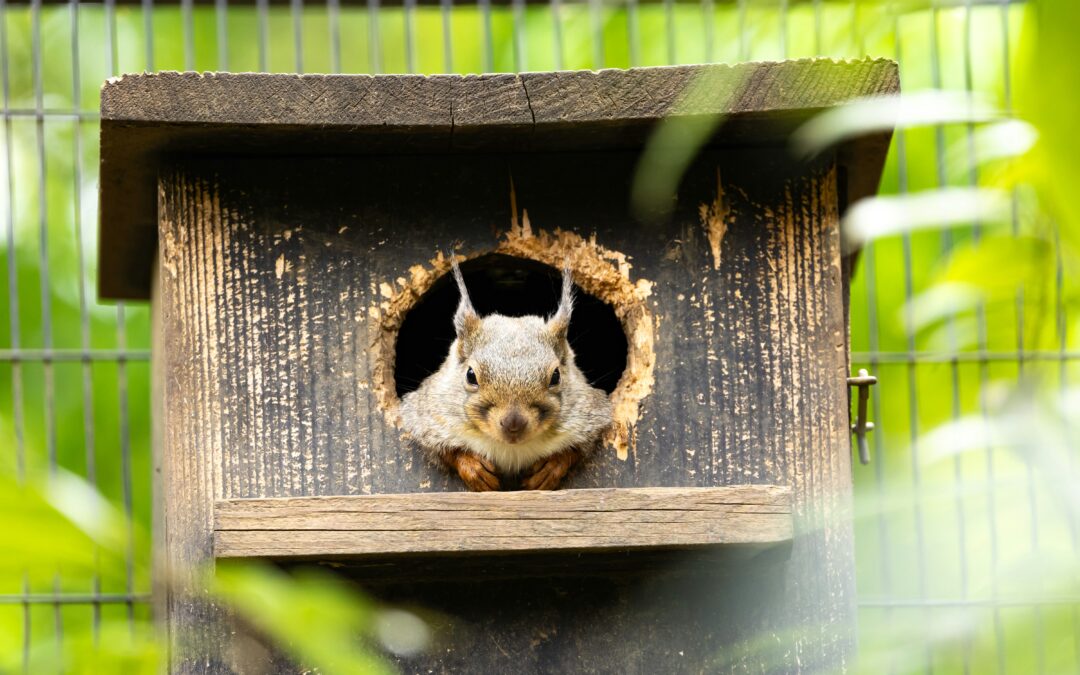
Squirrels are fascinating creatures that show a lot of adaptability when it comes to surviving extreme weather. Understanding how squirrels manage their energy and activity levels during different seasons opens a window into the natural strategies animals use to thrive. This guide will explore the differences between hibernation and estivation, focusing on squirrels, how they prepare, survive, and what behaviors you might notice in your backyard. Watching squirrels in different seasons has always been an eye-opening lesson in adaptability and survival.
What Is Hibernation?
Hibernation is a state of inactivity and metabolic depression that some animals use to survive cold winter months. During hibernation, squirrels slow their heart rate, reduce body temperature, and consume minimal energy. Unlike sleep, which is a short-term restorative process, hibernation can last for weeks or months depending on the species and climate.
For squirrels, hibernation is more common in species like the ground squirrel. These squirrels live in temperate and cold regions, where winter temperatures can drop dramatically and food becomes scarce. Hibernation allows them to conserve energy when survival would otherwise be impossible.
How Squirrels Prepare for Hibernation
Preparation for hibernation starts well before winter arrives. Squirrels gather and store food, primarily nuts, seeds, and sometimes fruits. This behavior, called caching, ensures they have access to energy reserves during short periods of wakefulness in hibernation.
During late summer and autumn, squirrels significantly increase their body weight. This extra fat acts as insulation against the cold and serves as an energy reserve. Their nest, or “drey,” is also reinforced with leaves, moss, and other insulating materials to create a cozy environment.
From my own personal experience observing squirrels in my backyard, they become noticeably more focused in autumn. Instead of playful chasing or foraging casually, they seem purposeful, darting back and forth to gather and hide food.
Physiological Changes During Hibernation
Once hibernation begins, a squirrel’s body undergoes remarkable changes. Heart rate drops from hundreds of beats per minute to just a few beats. Breathing slows, and body temperature drops close to the ambient temperature to minimize energy expenditure.
Interestingly, hibernating squirrels don’t stay completely unconscious. They may wake occasionally to nibble on cached food or adjust their position. These periodic arousals help prevent tissue damage from prolonged inactivity.
What Is Estivation?
Estivation, on the other hand, is a similar survival strategy but is used in response to extreme heat and drought rather than cold. Some animals enter estivation to avoid dehydration and overheating during the hottest parts of summer. While not all squirrel species estivate, some, particularly those in arid or subtropical climates, exhibit behaviors that are essentially summer hibernation.
During estivation, a squirrel’s metabolism slows down, activity is minimized, and water consumption is reduced. Squirrels may stay in cool, shaded burrows or tree cavities to escape the intense heat of the day. This is especially true in regions where summer temperatures regularly exceed 40°C (104°F).
Comparing Hibernation and Estivation
At first glance, hibernation and estivation may seem like opposite responses, one to cold, the other to heat, but they share several core principles. Both are forms of dormancy that allow animals to conserve energy and survive harsh conditions. Both involve a significant slowdown in metabolic rate, reduced physical activity, and reliance on stored energy reserves.
The main difference lies in the environmental triggers: hibernation responds to cold and food scarcity, while estivation responds to heat and water scarcity. Additionally, the behaviors leading up to each dormancy are different. Squirrels preparing for hibernation focus on fat storage and insulated nests, whereas squirrels preparing for estivation prioritize finding cool shelters and minimizing water loss.
Squirrel Species That Hibernate
Ground squirrels are the most well-known hibernators. Species like the Arctic ground squirrel and the California ground squirrel can spend months underground in hibernation. Tree squirrels, like the Eastern gray squirrel, typically don’t hibernate fully. Instead, they enter a lighter form of dormancy called torpor, which involves short periods of reduced activity and energy conservation.
During torpor, tree squirrels can wake daily to forage or move within their territory. This flexibility is useful in regions where food availability fluctuates rather than disappears entirely.
Squirrel Species That Estivate
Estivation in squirrels is less well-known and often overlooked because most research focuses on cold-weather adaptations. However, squirrels in arid regions, like some African or desert-dwelling species, show clear signs of summer dormancy. They stay in burrows during the hottest hours and emerge during cooler nights to forage.
From my own personal experience studying backyard wildlife, noticing squirrels moving primarily at dawn and dusk in hot summer months is a strong indicator of estivation-like behavior. These shifts in activity allow them to avoid dehydration and heat stress.
Behavioral Signs of Dormancy
Whether hibernating or estivating, squirrels exhibit behavioral changes that are noticeable if you pay attention. Signs include:
- Reduced daytime activity
- Frequent use of insulated nests or burrows
- Caching of food in preparation for dormancy
- Short periods of wakefulness during extreme weather conditions
Observing these behaviors provides insight into how squirrels respond to environmental pressures and helps identify species that rely on hibernation versus estivation.
Environmental Triggers
Temperature and food availability are the main triggers for dormancy. In winter, cold and snow limit access to food, pushing squirrels toward hibernation. In summer, heat and lack of water trigger estivation.
Photoperiod, the amount of daylight, also plays a role. Shortening days in autumn signal squirrels to begin fattening up and collecting food, while long days in summer trigger behaviors associated with heat avoidance.
Energy Conservation Strategies
Both hibernation and estivation are essentially survival strategies rooted in energy conservation. For squirrels, conserving energy means slowing metabolism, reducing movement, and relying on stored resources.
During hibernation, squirrels rely primarily on fat reserves. During estivation, they rely more on water conservation strategies and behavioral adaptations like seeking shade and reducing activity during peak heat. These strategies are critical for survival because active squirrels would quickly deplete limited resources under extreme conditions.
Human Observations and Misconceptions
A common misconception is that all squirrels hibernate through winter. In reality, many tree squirrels remain active year-round, adjusting their activity patterns and foraging strategies instead of fully hibernating. Similarly, people often assume squirrels are only dormant in cold regions, overlooking species in hot climates that enter estivation.
From my own personal experience, backyard squirrels in temperate regions seem to reduce activity in both summer and winter, but not to the extent of full dormancy. Understanding these nuances helps in appreciating the diverse survival strategies among squirrel species.
Squirrel Nesting Habits
Nesting habits are closely tied to dormancy. For hibernation, squirrels build dense, insulated nests underground or in tree cavities. For estivation, nests or shelters are often located in shaded, cool areas, sometimes using natural crevices or human-made structures to escape heat.
Nests for hibernation typically contain additional bedding material to maintain warmth, while nests for estivation focus on ventilation and protection from direct sunlight. The construction and location of these nests are crucial for survival in extreme temperatures.
The Role of Fat and Water
Fat is essential for surviving hibernation, acting as a long-term energy source. Squirrels can increase their body weight significantly in autumn, storing enough fat to last through months of inactivity.
Water plays a more critical role in estivation. Squirrels may reduce activity during the hottest part of the day to minimize water loss. They might also eat foods with higher water content, such as fruits or succulent plants, to stay hydrated.
Impacts on Ecosystems
Squirrels’ dormancy strategies also impact ecosystems. During hibernation, ground squirrels become unavailable as prey, which can affect predator populations. During estivation, their reduced activity may influence seed dispersal and forest regeneration patterns.
Additionally, squirrel behavior in caching and storing food contributes to forest ecology. Not all cached seeds are retrieved, which leads to natural planting and the growth of new trees. This indirect contribution is a fascinating side effect of squirrels’ survival strategies.
Climate Change and Dormancy Patterns
Climate change is affecting hibernation and estivation behaviors. Warmer winters may reduce the need for hibernation in some species, causing earlier activity or shorter dormancy periods. Hotter summers and prolonged droughts may extend periods of estivation or force squirrels to seek new habitats.
From my own personal experience observing squirrels over several years, there are noticeable shifts in seasonal activity patterns. Some squirrels now remain active during milder winters, while others seem to adjust their daily routines during hotter-than-usual summers.
Observing Squirrels Safely
If watching squirrels in your backyard or local park, it’s important to maintain distance and avoid disturbing their nests. Observing behavior, activity patterns, and foraging strategies can give clues about dormancy without stressing the animals. Using binoculars or setting up a camera trap can provide fascinating insights into both hibernation and estivation behaviors.
Conclusion
Squirrels are incredible examples of adaptation and survival. Hibernation and estivation represent two sides of the same coin—strategies to cope with extreme environmental conditions. While hibernation helps survive cold winters, estivation protects from hot, dry summers.
From my own personal experience, paying attention to these behaviors over time reveals patterns that might otherwise go unnoticed. Watching squirrels prepare nests, cache food, and shift activity with the seasons shows a level of resilience and intelligence that is easy to admire.
Understanding these strategies also deepens appreciation for wildlife and encourages responsible observation. Whether dealing with a harsh winter or a scorching summer, squirrels find ways to survive, reminding us that adaptation is key to life in every corner of the natural world.
By exploring squirrel dormancy behaviors and noticing the differences between hibernation and estivation, it’s clear that survival is never one-size-fits-all. Each species develops unique strategies to thrive in its environment, and studying these strategies offers valuable lessons for humans and wildlife enthusiasts alike.