
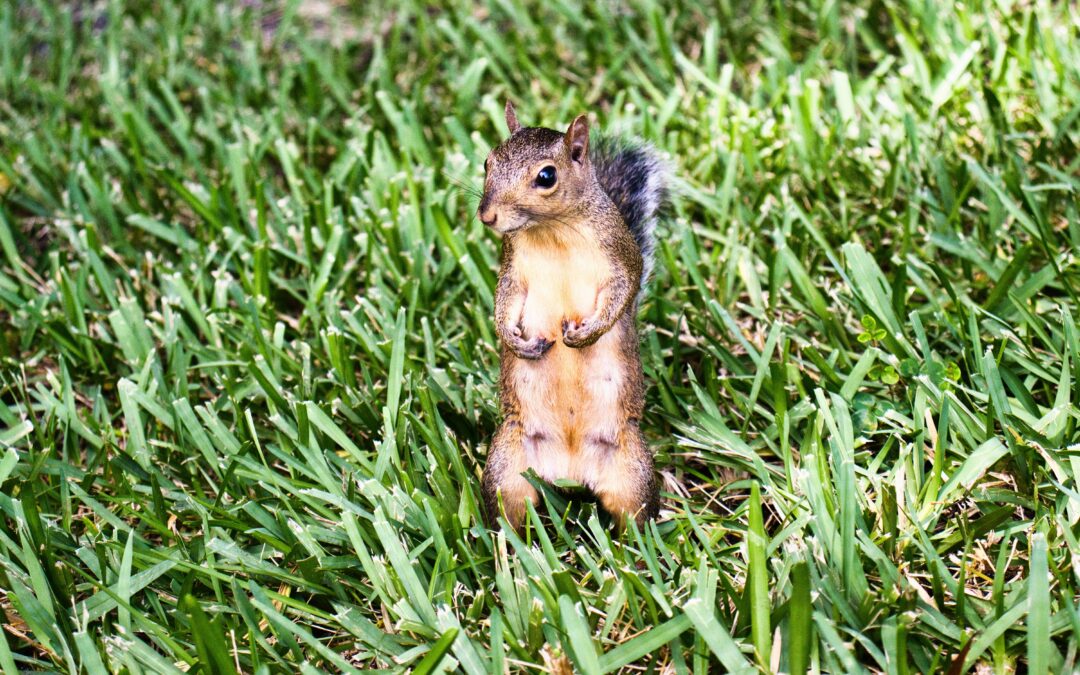
If there’s one thing anyone dealing with wildlife in their backyard knows, it’s that squirrels are clever, fast, and surprisingly difficult to control. Many homeowners turn to rodent killers like the A24, hoping to deal with infestations or occasional nuisance animals. But the big question is: does an A24 rodent killer actually work on squirrels? The answer isn’t as straightforward as a simple yes or no. To understand why, it’s important to look at how A24 works, how squirrels differ from other rodents, and what considerations to make before using any poison around the house.
Let’s Understand the A24 Rodent Killer Here
A24 is a rodenticide developed primarily for rats and mice. It’s known for its unique mode of action and low secondary poisoning risk. Unlike traditional anticoagulant poisons, which require multiple feedings over time and can leave dead rodents that attract other pests, A24 contains cholecalciferol, a form of vitamin D3. This chemical is toxic to rodents in relatively low doses and works by increasing calcium levels in the bloodstream. High calcium levels cause internal bleeding, organ failure, and eventually death.
One of the biggest advantages of A24 is that it is considered a “single-feed” rodenticide. This means rodents don’t have to nibble repeatedly over days to get a lethal dose. In controlled studies, rats and mice that eat even a small portion of the bait usually succumb within a few days. This is appealing to homeowners and pest control professionals who want fast results.
However, it’s important to note that A24 was designed for small rodents like rats and mice, not larger animals. This distinction plays a key role when considering its effectiveness on squirrels.
How Squirrels Differ from Rats and Mice
Squirrels might look like oversized mice, but biologically and behaviorally, they are quite different. Here are some key distinctions:
- Size and Metabolism – A typical adult squirrel weighs between 400 and 600 grams, significantly larger than most rats. Their metabolism processes toxins differently, which can reduce the effectiveness of poisons formulated for smaller rodents.
- Dietary Preferences – Squirrels are opportunistic feeders, preferring nuts, seeds, fruits, and occasionally bird food. Unlike rats, which will often consume almost any food source, squirrels may ignore unfamiliar baits or processed rodent food.
- Behavior – Squirrels are highly intelligent, cautious, and quick to detect danger. This makes them less likely to consume bait left in obvious places. They are also known to carry food to other locations, spreading potential toxins to unintended areas.
Because of these factors, squirrels respond differently to rodenticides than rats or mice. Simply put, what works reliably on a rat may not work at all on a squirrel.
The Effectiveness of A24 on Squirrels
Now we get to the crux of the question. From my own personal experience observing wildlife behavior and rodent control efforts, A24 is not reliably effective on squirrels. There are a few reasons for this:
- Insufficient Dose: Squirrels’ larger size means they need a higher dose to reach lethal toxicity. The quantity in a standard A24 bait block is often insufficient.
- Bait Avoidance: Squirrels are naturally cautious. If the bait contains unfamiliar ingredients or smells, they may avoid it altogether.
- Delayed or Partial Consumption: Even if a squirrel tries the bait, it may only nibble a small portion, which is far less likely to deliver a fatal dose.
In other words, A24 might harm squirrels under specific conditions, but it cannot be considered a reliable method for squirrel control. Homeowners hoping for a quick solution may be disappointed.
Safety Considerations
Even if A24 could work on squirrels, safety should always be the first concern. Rodenticides pose risks not only to pets but also to wildlife and children. Here’s what to consider:
- Secondary Poisoning – While A24 has a lower risk of secondary poisoning compared to anticoagulants, any poisoned animal could still affect predators or scavengers if eaten.
- Environmental Impact – Using poison in outdoor areas risks contaminating soil, water, and other non-target animals.
- Pet Safety – Dogs and cats are often curious and may ingest poisoned bait. Even a small amount can be dangerous or lethal.
For these reasons, professional wildlife control experts often advise non-lethal methods first, especially when dealing with squirrels.
Non-Toxic Alternatives for Squirrel Control
If A24 isn’t reliable, there are safer and often more effective ways to deter squirrels from gardens, attics, or bird feeders. These methods focus on exclusion, deterrence, and habitat management:
- Physical Barriers – Use mesh or hardware cloth to block access to attics, chimneys, or garden areas. Even a small opening can become a squirrel entry point, so thorough inspection is key.
- Repellents – There are commercial squirrel repellents made from natural oils like peppermint or capsaicin. These don’t kill but can make areas unappealing.
- Trapping and Relocation – Live traps allow for humane capture and relocation. Check local regulations, as relocating wildlife is illegal in some regions.
- Habitat Management – Remove food sources like bird feeders, fallen nuts, or open trash. Squirrels are less likely to stick around if the environment isn’t attractive.
- Sound and Motion Deterrents – Motion-activated sprinklers or ultrasonic devices can discourage squirrels without harming them.
From my own personal experience, combining multiple deterrent methods often works better than relying on a single solution like poison. Squirrels are smart and adaptable, so a layered approach is key.
Why Some People Still Use Rodenticides on Squirrels
Despite the drawbacks, some homeowners do attempt to use rodenticides like A24 on squirrels. The reasons include:
- Perceived Efficiency – Poison seems like a quick fix. People hope it will solve the problem faster than traps or deterrents.
- Frustration – Squirrels can cause significant damage by chewing wires, rafters, or insulation. The urgency of property damage can lead people to take risks with poisons.
- Lack of Awareness – Many do not realize that rodenticides designed for rats may not work on squirrels or that they pose risks to pets and wildlife.
Even so, relying on poison is often more of a gamble than a solution. The probability of success is low, while the risks are high.
Observations from Real-World Use
From my overall experience monitoring backyard wildlife, here’s what tends to happen when homeowners use A24 or similar rodenticides on squirrels:
- Partial Consumption – Squirrels may nibble a small amount and then stop. They rarely consume enough to reach a lethal dose.
- Temporary Avoidance – Some squirrels avoid bait entirely after a negative experience or after seeing other animals react poorly to it.
- Continued Infestation – Even if one squirrel dies, others often remain. Because squirrels are social and territorial, the problem rarely disappears completely.
- Unintended Harm – Birds, cats, or other small wildlife may get access to poisoned bait, creating an ethical and legal concern.
These outcomes reinforce the idea that poison is not the most effective tool for controlling squirrels.
Legal and Ethical Considerations
Before attempting to use A24 or any rodenticide on squirrels, it’s important to understand the legal landscape:
- In many regions, squirrels are protected species or fall under wildlife protection laws. Using poison on them may be illegal and could result in fines or penalties.
- Misusing rodenticides in ways not indicated on the label can violate environmental regulations.
- Ethical concerns include the suffering caused by poison, especially if it’s ineffective or partially consumed. Humane methods are generally preferred.
Conclusion: Does A24 Work on Squirrels?
The short answer: not reliably. While A24 is effective for rats and mice, squirrels’ larger size, dietary habits, and cautious behavior reduce its effectiveness. Additionally, using poison carries significant safety, environmental, and ethical risks.
From my own personal experience, a combination of non-toxic deterrents, physical barriers, and habitat management yields far better results. For homeowners dealing with squirrels, patience and persistence are key. Poison might be tempting as a quick fix, but it’s rarely the solution that actually works.
Tips for Managing Squirrels Without Poison
To wrap up, here are actionable steps that work better than rodenticides:
- Inspect the property for entry points and seal them with mesh or metal barriers.
- Remove or secure food sources like bird feeders, nuts, and trash bins.
- Use repellents, motion sensors, or sprinklers to make areas unappealing.
- Consider live trapping if squirrels are causing significant damage, following local regulations.
- Monitor the area regularly, as squirrels are persistent and may return if conditions improve.
By focusing on exclusion and deterrence, squirrels can be managed effectively, safely, and ethically without relying on poisons that often fail or create more problems.