
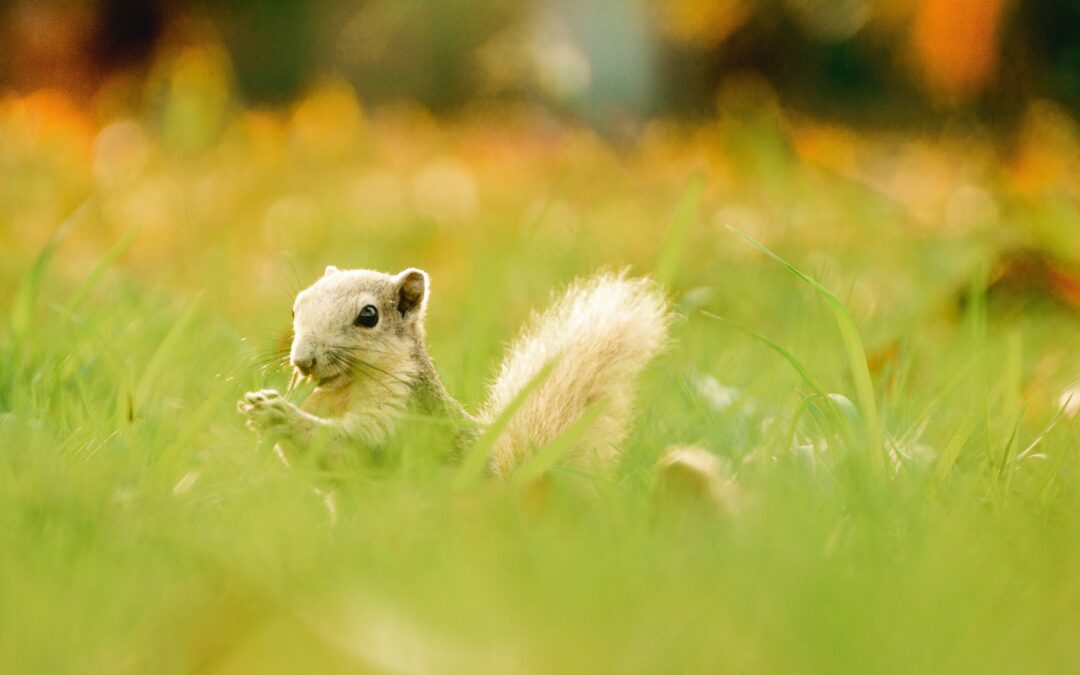
Squirrels are everywhere. They dart across parks, scurry up trees, and raid bird feeders like tiny furry ninjas. Most encounters with squirrels are harmless and even fun to watch, but sometimes things go sideways, and a squirrel bites. So, what actually happens if a squirrel bites? Let’s jump into the details and uncover the risks, treatments, and precautions.
Let’s Understand Squirrel Behavior Here
Before jumping straight into bites, it helps to understand squirrels a bit better. Squirrels are usually shy and avoid humans. Most bites happen when a squirrel feels threatened or cornered, or when someone tries to feed or handle them. Young squirrels may be more prone to biting if they feel scared.
Unlike domesticated animals, squirrels don’t have a natural instinct to be friendly toward humans. That doesn’t mean all squirrels are aggressive, but it does mean bites can happen if boundaries are crossed.
Squirrels also have sharp teeth. Their front teeth grow continuously, which allows them to gnaw on nuts and wood. Those teeth are powerful for their size and can easily break human skin. So even a small nip might seem worse than it initially looks.
Immediate Effects of a Squirrel Bite
When bitten by a squirrel, there are a few things to watch for immediately:
Pain and Bleeding
Squirrel bites are usually quick, but their teeth can puncture the skin, leaving a small wound that may bleed. Some bites are minor, while others can be deep if the squirrel bites hard.
Swelling and Redness
Within a few hours, the area around the bite may swell and turn red. This is a normal immune response to injury and foreign bacteria.
Bruising or Tenderness
Bruising can occur, especially if the bite was forceful. Tenderness in the area is common for a few days.
Risk of Infection
Squirrel bites carry a risk of infection. Squirrels, like most wild animals, have bacteria in their mouths. Common infections include staphylococcus, streptococcus, and even pasteurella, which can cause redness, warmth, pus, or fever if untreated.
The Risk of Diseases
One of the main concerns with squirrel bites is disease. While rabies in squirrels is extremely rare, other infections are more likely. Here’s a breakdown:
Rabies
Rabies is a viral disease that affects the nervous system. In North America, squirrels almost never carry rabies. There are only a handful of confirmed cases worldwide. Still, if a bite occurs, it’s always safest to check with a medical professional.
Tetanus
Tetanus bacteria can enter the body through puncture wounds, including squirrel bites. If it’s been more than ten years since the last tetanus shot, or five years if the wound is dirty, a booster is usually recommended.
Bacterial Infection
Bacteria like Pasteurella multocida and Salmonella are common in wild animals. If untreated, these infections can lead to swelling, pus, and in rare cases, more serious complications.
Parasites
Squirrels can carry fleas, ticks, and mites, which may transmit other infections. Scratching or poor hygiene after a bite can increase the risk.
First Aid After a Squirrel Bite
Immediate care after a squirrel bite can prevent complications. Here’s a step-by-step guide:
Wash the Wound
Clean the bite thoroughly with soap and water. Wash for at least 5–10 minutes to remove bacteria. This simple step significantly reduces infection risk.
Stop the Bleeding
Apply gentle pressure with a clean cloth or bandage to stop bleeding. Elevating the hand or arm can help if the bite is on a limb.
Apply an Antiseptic
Use an over-the-counter antiseptic cream or solution to disinfect the wound. Products containing iodine or alcohol work best.
Cover the Wound
Protect the bite with a sterile bandage or gauze pad. Change it daily and keep it dry.
Monitor for Infection
Keep an eye on swelling, redness, warmth, pus, or fever. If any of these appear, seek medical attention immediately.
Tetanus and Rabies Considerations
A tetanus booster may be necessary depending on vaccination history. Rabies is extremely rare in squirrels, but if the bite was from an animal acting strangely, contact a doctor for guidance.
When to See a Doctor
Even minor squirrel bites can turn serious if untreated. It’s crucial to see a doctor if:
- The bite is deep or bleeding heavily
- Signs of infection appear (redness, pus, swelling, fever)
- The person bitten has a compromised immune system
- There’s any uncertainty about tetanus vaccination status
Doctors may prescribe antibiotics or clean the wound professionally to prevent serious infections.
Long-Term Effects
Most squirrel bites heal without lasting damage, especially with proper care. However, complications can arise if the bite becomes infected. Some possible long-term effects include:
- Scarring – Deep bites may leave a small scar
- Chronic Infection – Rarely, infections can linger and require extended treatment
- Allergic Reaction – Some people may develop localized allergic reactions, such as itching, swelling, or rash
Preventing Squirrel Bites
Prevention is always better than treatment. Here are some tips to avoid bites in the first place:
- Avoid Handling Wild Squirrels
Never attempt to pick up or play with wild squirrels. Even if they seem tame, they are unpredictable. - Keep Your Distance
Maintain a safe distance in parks or yards. Observing squirrels is safer than interacting. - Do Not Feed Squirrels by Hand
Feeding squirrels with bare hands can encourage biting. Use feeders or scatter food on the ground instead. - Be Cautious Around Nesting Areas
Mother squirrels are protective of their young and may bite if they feel threatened. - Teach Kids to Stay Safe
Children are naturally curious and may approach squirrels. Teach them to watch from afar and avoid touching.
Interesting Facts About Squirrel Bites
From my own personal experience, people often overestimate the danger of squirrels. Here are a few facts that help put it in perspective:
- Squirrels’ teeth are designed to gnaw on hard materials, not for fighting humans. Most bites are defensive rather than aggressive.
- Most squirrels are more afraid of humans than we are of them. A sudden movement often scares them away, reducing the chance of a bite.
- Squirrel bites are much less dangerous than bites from dogs, cats, or raccoons, but they still require proper care.
My Personal Experience
From my own personal experience, I once tried to rescue a young squirrel that had fallen from a tree. I thought it was injured, and I approached it carefully. The moment I reached out, it bit my finger hard. The bite bled for a bit, and my finger swelled, but because I washed it immediately and applied antiseptic, it healed in a few days. I didn’t need antibiotics, but I did check my tetanus status just in case. That experience taught me how unpredictable squirrels can be and the importance of proper care after a bite.
Misconceptions About Squirrel Bites
Many myths surround squirrel bites, so let’s debunk a few:
- “Squirrels always carry rabies.” False. Rabies in squirrels is extremely rare.
- “Squirrel bites are painless.” False. While small, the bite can be sharp and painful.
- “You don’t need to clean a squirrel bite.” False. Cleaning is critical to prevent bacterial infection.
Treatment Options Beyond First Aid
If a bite does get infected or seems serious, medical treatment options may include:
- Antibiotics – Often prescribed to prevent or treat infections from bacteria in the squirrel’s mouth
- Wound Debridement – In some cases, a doctor may clean the wound more deeply to remove damaged tissue
- Pain Management – Over-the-counter pain relievers can help with swelling and discomfort
- Follow-Up Care – Keeping the bite monitored for changes is key to full recovery
Psychological Effects
While not common, some people develop anxiety after a squirrel bite, especially if it was sudden or traumatic. Understanding that most bites heal fully can help reduce fear. If anxiety persists, talking to a healthcare provider may be beneficial.
Wild Animal Safety Tips
Beyond squirrels, these tips apply to interactions with most wild animals:
- Observe from a safe distance
- Do not feed animals by hand
- Keep pets away from wild animals
- Report unusual behavior in animals to local wildlife authorities
Conclusion
Squirrel bites are uncommon, and most are minor, but they still require careful attention. Immediate cleaning, monitoring for infection, and knowing when to see a doctor are key steps to ensure a safe recovery. From my own personal experience, a squirrel bite can be startling and painful, but with proper care, it rarely leads to serious complications.
Remember, squirrels are wild animals. Admiring them from a distance is the safest way to enjoy their playful antics without putting yourself at risk.