
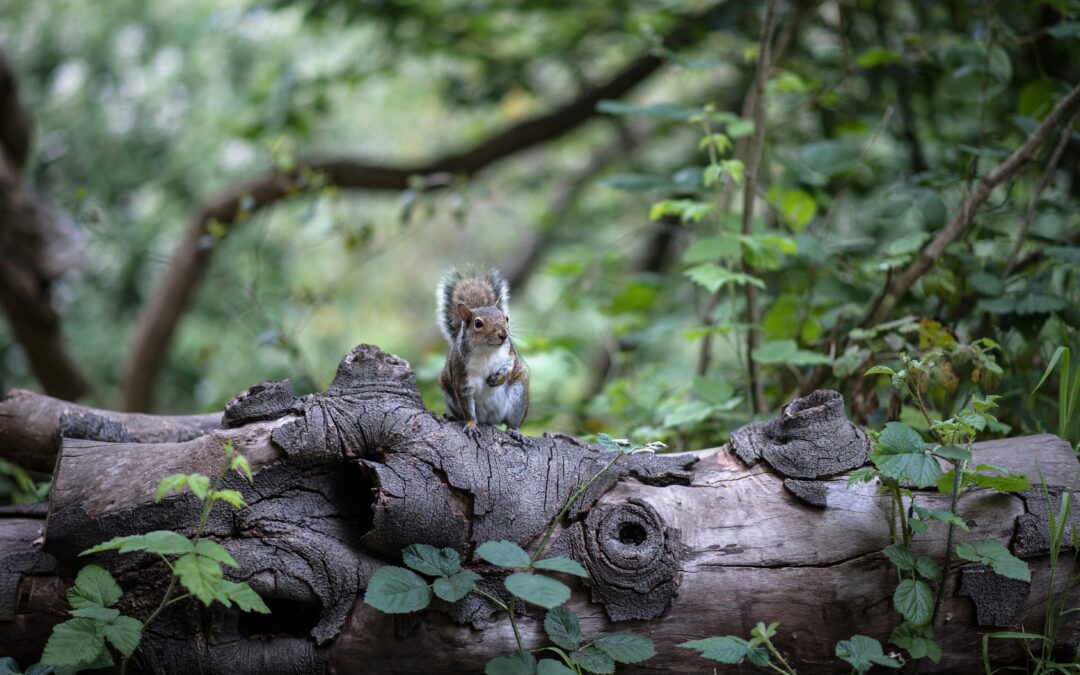
Squirrels are some of the most fascinating little creatures to observe in backyards, parks, and forests. They zip across trees, stash nuts in hidden spots, and sometimes seem almost human in their curiosity and problem-solving skills. Most people know that squirrels love nuts and seeds, but the question often arises: do squirrels eat bugs? The answer might surprise many because squirrels are more than just nut lovers, they’re opportunistic eaters, and their diet can be much more varied than commonly assumed.
What Squirrels Usually Eat
Before diving into the role of bugs in a squirrel’s diet, it’s important to understand what squirrels typically eat. Most squirrels are primarily herbivorous, which means they eat plant-based foods, but they’re also opportunistic. Depending on the season, location, and availability of food, squirrels will adjust their diet accordingly.
Common foods include:
Nuts – Acorns, walnuts, pecans, and hazelnuts are staples.
Seeds – Sunflower seeds, pumpkin seeds, and other small seeds.
Fruits – Apples, berries, and even tropical fruits in warmer climates.
Vegetables – Corn, carrots, and leafy greens.
Fungi – Mushrooms and other edible fungi in the wild.
This diverse diet allows squirrels to survive in different habitats, from dense forests to suburban backyards. But while most people associate squirrels with nuts and seeds, they are also opportunistic omnivores. This is where bugs come into the picture.
Squirrels and Bugs: A Surprising Connection
Yes, squirrels do eat bugs, but not in the same way that birds or dedicated insect-eaters do. Bugs are usually a supplemental source of protein, especially in times when other foods are scarce. Young squirrels, in particular, benefit from the protein in insects, which helps them grow strong and develop healthy fur and muscles.
Some common insects squirrels eat include:
Beetles – These are easy to catch and provide a solid source of protein.
Caterpillars – Rich in nutrients, caterpillars are a snack for many wildlife species, including squirrels.
Grasshoppers – Fast-moving and abundant, grasshoppers are occasionally consumed.
Crickets – Another protein-rich insect that can supplement a squirrel’s diet.
Ants and their larvae – While less common, some squirrels eat ants, especially when other food is scarce.
It’s important to note that not all squirrels rely heavily on insects. Tree squirrels, which are the most commonly seen in urban and suburban areas, primarily stick to nuts, seeds, and fruits. Ground squirrels and some tropical species, however, are more likely to incorporate insects regularly.
Why Squirrels Eat Bugs
From my own personal experience observing squirrels in my backyard, they sometimes appear more curious than hungry. Bugs often end up as part of their diet not just out of necessity, but because squirrels are naturally curious and opportunistic. There are several reasons why squirrels eat bugs:
Protein Boost – Insects provide essential proteins that help with growth, repair, and energy. This is especially true for baby squirrels and lactating mothers.
Nutrient Variety – Bugs offer nutrients that are harder to obtain from nuts and seeds alone, like certain amino acids and minerals.
Survival During Scarcity – In seasons when nuts and fruits are limited, squirrels turn to insects to supplement their diet.
Ease of Access – Bugs are often easier to find and catch than some larger food items, particularly for younger squirrels.
While squirrels are not “insectivores” in the strict sense, they demonstrate adaptability in their diet, which is a key reason why they thrive in so many environments.
Observing Squirrels Eating Bugs
Watching squirrels eat bugs is an interesting experience. They might paw at a beetle or caterpillar and inspect it before eating. Sometimes, they chew carefully to avoid any parts that are too hard or potentially harmful. Unlike birds that catch insects mid-air, squirrels usually pick bugs off leaves, tree bark, or the ground.
A few interesting behavioral points about squirrels and bug-eating include:
Selective Eating – Squirrels may pick only certain parts of insects, often avoiding wings or hard shells.
Opportunistic Timing – They tend to eat insects when they’re plentiful, such as during summer or after rainfall when worms and larvae surface.
Combination with Other Foods – Often, squirrels will eat bugs alongside other snacks like seeds or fruits, creating a more balanced diet.
Myths About Squirrels and Insects
Many myths surround squirrels and their diet. Some think squirrels are strictly herbivores, while others exaggerate how often they eat bugs. Based on my overall experience observing wildlife, here’s the truth:
Squirrels are not pests because of bugs. They are opportunistic feeders, and bugs are just one of many foods they may consume.
Squirrels don’t hunt insects aggressively like birds of prey or some lizards. Bugs are a supplement, not a main course.
Feeding squirrels only nuts may seem natural, but in reality, a varied diet, including occasional protein sources, is more natural for them.
How Bugs Fit Into a Squirrel’s Nutritional Needs
Protein is vital for squirrels, especially for growth, reproduction, and maintaining energy levels. Insects provide a concentrated protein source that can help squirrels thrive in environments where nuts or seeds are seasonal.
Squirrels require a mix of nutrients:
Carbohydrates – From fruits and seeds, for energy.
Fats – From nuts and seeds, for storage and insulation.
Proteins – From insects or occasional small eggs, for growth and repair.
Vitamins and Minerals – From diverse foods, including fruits, fungi, and bugs.
In this sense, bugs act as a nutritional supplement, ensuring that squirrels get a balanced diet even when plant-based foods are insufficient.
Seasonal Influence on Bug-Eating
The likelihood of squirrels eating bugs depends heavily on the season. In spring and summer, insects are abundant, and squirrels, particularly younger ones, take advantage of the easy protein source. During fall, when nuts are falling and fruits are ripening, squirrels focus on storing food rather than hunting bugs. Winter is the time of scarcity when squirrels rely on caches of nuts, though they may still eat insects if they encounter them.
Human Interaction and Squirrels
Backyard observers often wonder whether they should offer protein sources to squirrels, such as mealworms. While it’s tempting, it’s generally better to let squirrels forage naturally. Bugs are a natural part of their diet, and squirrels are adept at finding them. Feeding them unnatural or excessive amounts of protein can disrupt their natural eating habits.
Why This Matters
Understanding that squirrels eat bugs gives a clearer picture of their adaptability and survival strategies. They’re not picky eaters; they eat what’s available, adjusting their diet according to need and opportunity. This knowledge can help wildlife enthusiasts, backyard observers, and urban planners design environments that respect the natural behaviors of squirrels.
From my own personal experience, watching squirrels adapt to different food sources is fascinating. They might seem to nibble only nuts and seeds, but their curiosity and need for nutrients make them explore insects, small eggs, and even fungi. It’s a reminder that wildlife is complex, adaptive, and always surprising.
Wrapping Up
So, do squirrels eat bugs? Absolutely, but it’s not their main diet. Bugs act as a supplemental protein source, and their consumption depends on availability, season, and age of the squirrel. Tree squirrels tend to stick to nuts, seeds, and fruits, while some ground squirrels and tropical species eat insects more frequently. Observing squirrels eat bugs highlights their opportunistic nature and their ability to thrive in various environments.
Next time squirrels are seen pawing at leaves or sniffing the bark, it’s worth remembering that their curiosity is not just play, it’s survival. Bugs are just one of the many ways squirrels adapt and get the nutrients they need to stay active, healthy, and clever in both urban and natural settings.