
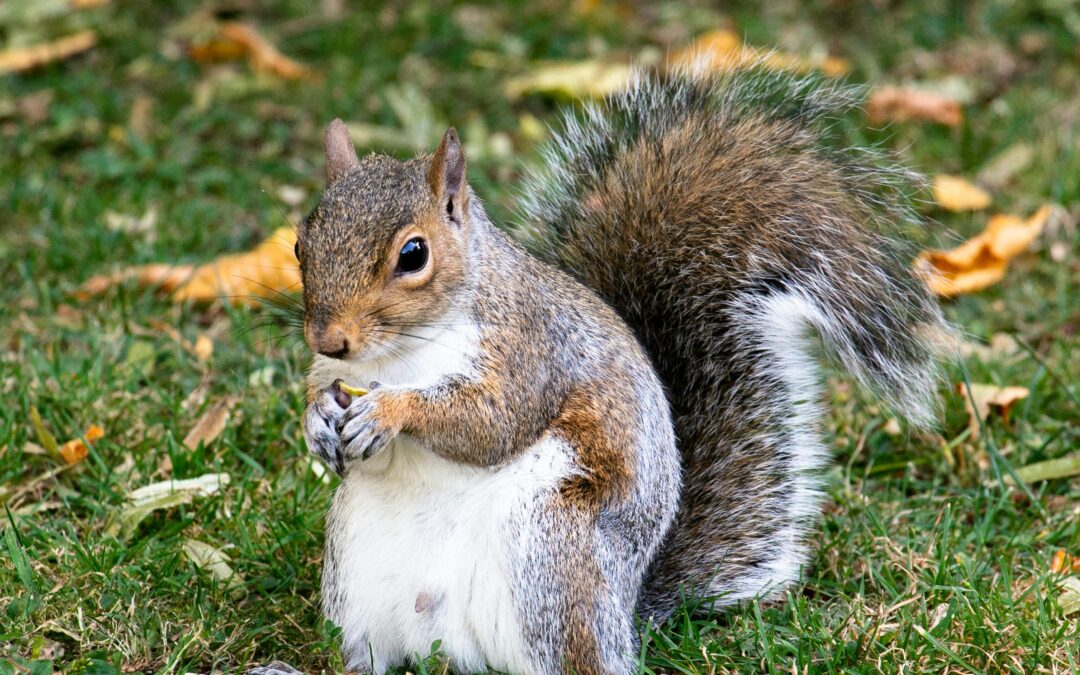
Squirrels are smart. They can find food, shelter, and small gaps you missed. You may like them in the park but not when they chew wires, raid bird feeders, or nest in your attic. This guide shows many safe, legal, and practical ways to scare squirrels away. You can pick what fits your home, yard, and local rules. From my own personal experience, I learned that a mix of methods works best.
This post covers causes, preventative steps, deterrents that work, strategies to keep them out of buildings, DIY repellents, timelines, and a clear do and don’t section. Use what fits you. Try one method first and then combine methods if needed. Be persistent. Squirrels learn fast and they test new things.
Quick overview what works and why
Squirrels seek food, shelter, and safety. You change those things and they will move on. Remove food and shelter. Make your yard and home less appealing. Add mild, frightening stimuli when you need immediate results. Use humane steps. Avoid traps that harm animals or methods that break local laws.
What attracts squirrels
Squirrels go where food is easy. They like nuts, seeds, fruit, pet food, and fallen branches with seeds. They like sheltered spots for nests. They like attic spaces and gaps under eaves. You can reduce their visits by removing what attracts them.
First steps you should take (simple, immediate)
Remove food sources. Keep garbage in sealed bins. Put pet food inside after feeding. Clean up fallen fruit and nuts.
Secure bird feeders. Use designs that block squirrel access. Place feeders away from trees and structures.
Seal gaps and holes. Use steel mesh or trim back trees that touch the house.
Change landscape habits. Move woodpiles away from the house. Clear dense brush near foundations.
These four steps cut the reasons a squirrel stays. If you do nothing else, start here.
How to secure bird feeders so squirrels stop visiting
You can save bird feeders without harming birds.
Hang feeders on poles with a baffle above and below. The baffle blocks squirrels.
Put feeders at least eight to ten feet from any launch point (trees, fences).
Use weight-sensitive feeders that close to squirrels.
Offer safflower seed. Many birds eat it but squirrels often dislike it.
Anchor feeders so they do not swing to give squirrels a foothold.
Try one or a combination. Each yard is different. Test placement and watch for changes.
How to squirrel-proof your attic and walls
Squirrels in walls or attics cause noise and damage. Act fast when you detect them.
Inspect for entry points. Look for gaps around eaves, soffits, vents, and roofline.
Use heavy-gauge steel mesh for holes. Squirrels chew wood and soft metals. Mesh lasts longer.
Close attic vents temporarily with hardware cloth until you repair them properly.
Trim tree branches that touch your roof by at least six feet.
Install chimney caps and vent covers.
If squirrels are already inside, do not seal the exit immediately. That can trap young animals. Wait until you know all animals are out or use a one-way exclusion door installed by a professional.
Humane exclusion vs trapping
Exclusion means you change access and keep animals out. Trapping can work but has risks.
Exclusion is the safest long-term fix.
If you consider trapping, follow local laws. Many areas restrict relocation.
Use live-capture only if you plan to release the animal in the same area and know local rules.
Hire wildlife control professionals when dealing with nests, young, or repeated problems.
I recommend exclusion first. It prevents the next squirrel from moving in.
Motion-activated deterrents that scare squirrels away
Squirrels react to sudden stimuli. Motion-activated devices use that response.
Motion-activated sprinklers spray a short burst of water when an animal moves.
Motion lights can startle squirrels at night.
Motion-activated sound devices emit high-pitched tones that squirrels dislike.
Use these as temporary deterrents or near bird feeders. They work best combined with food removal.
Natural and safe repellents you can try
Squirrels dislike certain smells and tastes. These options are low-risk but may need repeat application.
Capsaicin sprays. Make a mild hot pepper spray and apply to surfaces squirrels chew. Wear gloves and avoid eyes. Do not spray where birds or pets will be exposed.
Peppermint oil. Soak cotton balls and place near entry points and feeders.
Garlic sprays or powdered garlic mixed with water. Reapply after rain.
Commercial, pet-safe repellents labeled for rodents. Read and follow instructions.
Note: These methods may reduce activity. Squirrels can adapt, so rotate repellents.
Plants that discourage squirrels
Some plants taste bad to squirrels or have scents they avoid.
Daffodils. Squirrels avoid bulbs of some plants like daffodils.
Alliums and other strongly scented bulbs.
Fritillaria and other less-palatable plants around vulnerable areas.
Planting alone often does not remove squirrels, but it adds another layer of deterrence.
Visual scare tactics
Squirrels may avoid novelty.
- Install fake predator decoys like plastic owls. Move them every few days.
- Use flagging tape that moves in wind. The motion can deter squirrels.
- Hang reflective objects near bird feeders. The light flashes can make them cautious.
Squirrels grow used to static decoys. Rotate or move items often.
Sound and ultrasonic devices use with caution
Some devices emit ultrasonic sound meant to deter rodents. Results vary.
- Ultrasonic devices may bother other small animals and could be ineffective outdoors.
- Use them only as part of a multi-step plan.
- Do not rely on them alone.
If you try sound devices, test for a few weeks and note changes.
DIY barrier ideas that work
Barriers stop access without hurting animals.
Wrap tree trunks with metal flashing above four feet to prevent climbing.
Use hardware cloth to cover vents and openings.
Install mesh under porches and deck edges where squirrels might nest.
Use bird feeder cages that let small birds in but exclude squirrels.
Be neat when you install barriers. Gaps allow determined squirrels to return.
Timed strategies and persistence
Squirrels test changes. You must be persistent.
Start with food removal and sealing gaps.
Add barriers and deterrents.
Rotate repellents and visual cues.
Keep up maintenance. Inspect feeders, bins, and eaves often.
Expect weeks of adjustment. Squirrels will try for a while and then move on if the area stops yielding food and shelter.
What to do if a squirrel is in your home now
If you hear noises or find nesting material, act calmly.
Locate the activity. Note times you hear noise.
Do a careful external inspection for holes used for entry.
If you must remove them, consider a professional. They can handle litters and prevent recurrence.
If you plan DIY exclusion, wait until the young are old enough to leave, or use a one-way exit device under a professional’s guidance.
Do not use poison. That harms the animal and local wildlife. It may also be illegal.
How to make a safe hot pepper deterrent spray (DIY)
This spray can reduce chewing on certain surfaces. Use care when handling.
Materials:
- 1 quart water
- 1-2 tablespoons cayenne pepper or hot pepper flakes
- Small squirt of liquid soap to bind the mixture
- Spray bottle
Steps:
- Mix pepper, soap, and water and let sit for 24 hours.
- Strain through cloth to remove solids.
- Pour into a spray bottle.
- Test on a small area to avoid staining.
- Spray on surfaces where squirrels chew, not on plants birds eat.
Reapply after rain. Wear gloves. Avoid contact with eyes and open skin.
Squirrel-proof composting and garbage
Compost and trash are big draws. Change how you store them.
- Use enclosed compost bins with secure lids and small vents.
- Do not add meat, bones, or oily foods.
- Use animal-proof trash cans or store bins in a shed.
- Keep bins clean and rinse if food residue remains.
If you reduce the smell of food, you reduce visits.
How to protect gardens and seedlings
Squirrels dig and nibble young plants. You can protect new growth.
- Use wire mesh cloches around seedlings.
- Cover beds with netting until plants are larger.
- Use raised beds with vertical sides that are harder to dig.
- Add coarse mulch that makes digging harder.
Combine barriers with scent deterrents for best results.
When to call a professional
Call a wildlife professional if:
- You find baby squirrels.
- The animals nest in walls or attics.
- You have repeated problems despite trying steps above.
- You need safe removal and proofing.
A pro can exclude animals and repair damage.
Legal and safety notes
- Laws on trapping and relocation differ. Check local rules before trapping.
- Avoid methods that injure animals or risk public health.
- Do not use poison or lethal traps that can harm pets, children, or other wildlife.
- If you are unsure, get expert help.
My tested plan that worked (step-by-step example)
From my own personal experience, a layered approach worked best for me. Below is a tested sequence you can adapt.
- Clean up: I removed all fallen fruit and sealed the compost bin.
- Feeders moved: I placed bird feeders away from trees and added a baffle.
- Seal and trim: I trimmed branches six feet from the roof and patched holes with steel mesh.
- Sprinkler: I installed a motion-activated sprinkler near the bird feeder area.
- Repellent rotation: I used peppermint oil, then a hot pepper spray on problem spots.
- Visual rotation: I placed a decoy owl and moved it weekly.
- Monitor: I checked nightly for signs and repaired any new holes.
The squirrel tried for a few weeks then moved to a neighbor’s yard that had easier food. The problem stopped within three weeks and did not fully return after six months.
Common mistakes to avoid
- Do not feed birds and leave feeders overflowing.
- Do not leave pet food outside overnight.
- Do not seal the only exit when young animals are inside.
- Do not rely solely on one tactic.
- Do not use toxic chemicals or illegal traps.
Avoid these and you will keep the problem under control.
FAQs
Q: Will an owl decoy always work?
A: No. Squirrels learn. Move the decoy regularly.
Q: Do ultrasonic devices harm pets?
A: They can affect small pets. Read the instructions and test.
Q: Will cayenne hurt my plants?
A: It can irritate some plants if used too strong. Test first.
Q: How long until the squirrels leave?
A: It varies. With food removal and exclusion, expect weeks to months.
Q: Can I relocate a squirrel I trap?
A: Laws vary. Many places prohibit relocation. Check local rules.
A checklist you can print (no repeats, short items)
- Remove food sources.
- Secure bird feeders.
- Seal entry holes with steel mesh.
- Trim branches 6+ feet from house.
- Install baffles on poles.
- Use motion-activated sprinkler.
- Rotate visual decoys.
- Apply safe repellents and rotate types.
- Use wire mesh for vents and chimneys.
- Protect seedlings with netting.
- Use enclosed compost bins.
- Inspect weekly for new signs.
- Hire a pro if nest or litter inside.
- Follow local wildlife laws.
Troubleshooting, if squirrels keep coming back
- Look again for hidden food sources such as pet bowls, open grill, or dropped birdseed.
- Check neighboring trees and roofs that create a pathway.
- Tighten your sealing. Even small gaps invite animals.
- Increase variability: change deterrents every week.
- Ask neighbors to make changes too if possible.
Persistence and small adjustments give results.
Final thoughts, humane, consistent, and practical
You can scare squirrels away without harming them. The safest approach uses exclusion, food removal, and varied deterrents. Be consistent and inspect for new access points. If you need fast results, motion-activated sprinklers and firm barriers often work best. If the problem includes a litter or attic nest, hire a pro.
I created this guide to be practical and direct. Use the checklist and the tested plan as a starting point. Adjust to your property and local rules. Keep your family and pets safe. Act with patience. Squirrels are persistent, but they are not unbeatable.