
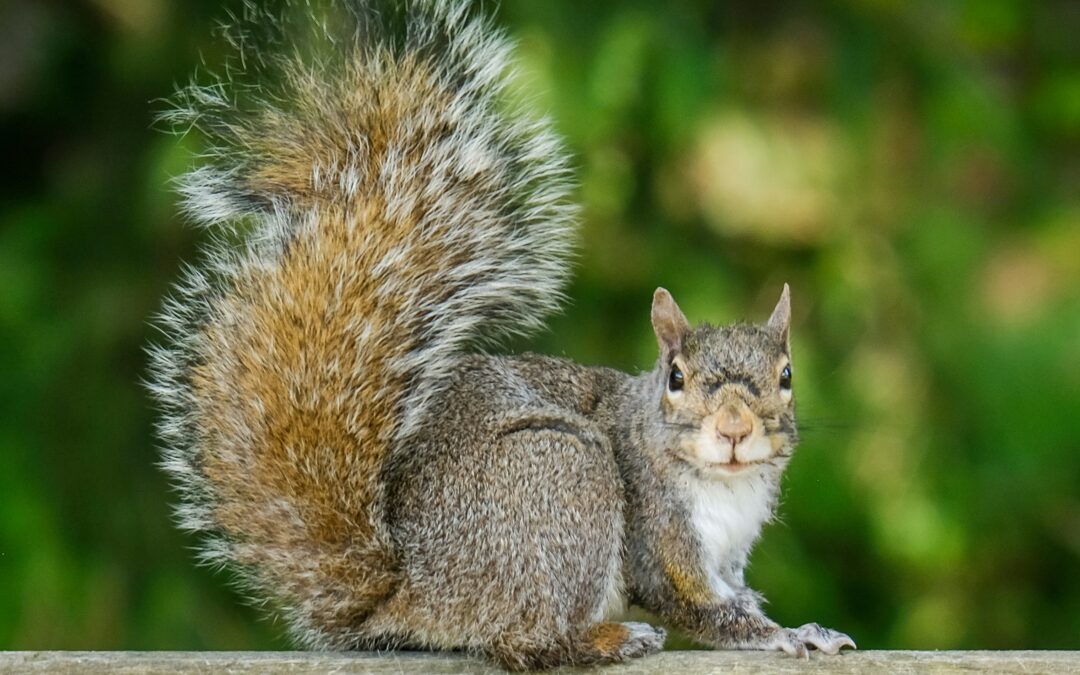
Squirrels are everywhere. They show up in parks, gardens, rooftops, and even inside attics. Their constant activity and curiosity make them interesting to watch, but when they start damaging property or raiding bird feeders, the frustration grows fast. A lot of people start wondering: “Will squirrels eat rat poison?” This question is important because using poison for pest control can lead to unintended consequences.
From my own personal experience, dealing with squirrels requires a lot more thought than dealing with rats or mice. These animals behave differently, eat different things, and respond differently to baits. If you’re considering rat poison as a way to handle a squirrel issue, you need to know exactly what might happen.
This post will cover everything about whether squirrels eat rat poison, what happens if they do, why it’s dangerous for other animals, and better alternatives for controlling squirrel activity. By the end, you’ll have a clear understanding of this topic and a guide you can actually use.
Let’s Understand Squirrel Diets
Squirrels are mostly herbivores. They eat nuts, seeds, fruits, and sometimes small insects. Their favorite foods include acorns, sunflower seeds, peanuts, and berries. This is why you see them raiding bird feeders or digging up garden beds—they’re constantly searching for plant-based foods to store or eat.
Unlike rats, squirrels rarely eat meat. This matters because most rat poisons are made with grain-based pellets or blocks mixed with a chemical toxin. These poisons are designed to attract rats and mice, who are omnivores. Squirrels might sniff these baits, but they won’t always find them appealing.
However, squirrels are opportunistic. If food is scarce, they may sample things they normally wouldn’t. This means they can eat rat poison under certain conditions. But whether they eat enough of it to cause harm or death depends on several factors, which we’ll break down.
What Rat Poison Is Made Of
Rat poisons (also called rodenticides) are chemical compounds meant to kill rodents. The most common active ingredients include:
Anticoagulants (like bromadiolone, brodifacoum, warfarin): These stop blood from clotting, causing internal bleeding over a few days.
Neurotoxins (like bromethalin): These attack the nervous system, leading to seizures or paralysis.
Hypercalcemia agents (like cholecalciferol, a form of Vitamin D3): These raise calcium levels to lethal amounts.
The poison is usually mixed into grain, peanut butter, or other attractants that rodents like. This bait is placed in blocks, pellets, or soft packs. It’s very effective on rats and mice because their feeding habits lead them to eat large amounts quickly.
Squirrels, on the other hand, tend to nibble. They sample food before eating more. This behavior means they might not ingest enough poison in one sitting to die immediately. But repeated exposure can still cause harm.
Do Squirrels Eat Rat Poison?
The short answer is: sometimes.
Squirrels are curious animals. They chew on almost anything to keep their teeth worn down, including wood, wires, and plastic. If they come across rat poison, they may chew on the bait blocks. But chewing isn’t the same as eating.
In many cases, squirrels shred the bait without swallowing much. But if the bait smells or tastes like peanut butter, seeds, or nuts, they may actually consume it. This is why some homeowners report finding dead squirrels after using rat poison.
Other times, squirrels completely ignore poison because it doesn’t smell like their normal food. This unpredictability makes poison a poor choice for controlling squirrels.
What Happens If a Squirrel Eats Rat Poison
If a squirrel eats enough rat poison, it can die, just like a rat would. The symptoms depend on the type of poison:
Anticoagulant poison: The squirrel may appear weak, bleed internally, or develop bruises. Death usually occurs after several days.
Neurotoxic poison: This acts faster, causing tremors, paralysis, or seizures within hours.
Cholecalciferol (Vitamin D3 poison): This leads to kidney failure and high calcium levels, which can be fatal within days.
Because squirrels have fast metabolisms, even small amounts can make them very sick. But the amount needed for a lethal dose is unpredictable because their body size and eating habits vary.
Another problem is secondary poisoning. If a predator like a hawk, owl, or cat eats a poisoned squirrel, it may also get sick or die. This creates a ripple effect in the environment.
Legal and Ethical Considerations
In many places, poisoning squirrels is illegal. Squirrels are considered wildlife in most states and countries, and they’re protected under local regulations. Using rat poison on them can lead to fines or other legal trouble.
Beyond the legal issue, there’s an ethical question. Poisoning squirrels can cause prolonged suffering. Unlike a trap or exclusion method, poison is slow. A squirrel that eats it may wander off and die in a hidden spot, creating an odor problem or attracting more pests.
If you’re dealing with squirrels, it’s better to choose humane and targeted control methods rather than using poison.
Why Rat Poison Is a Bad Solution for Squirrels
There are several reasons rat poison doesn’t work well for squirrels:
They’re not the target species. Rat poison is designed for rodents that eat a lot of grains, not tree-dwelling seed eaters.
Unpredictable consumption. Squirrels might nibble without swallowing enough to be lethal.
Risk to pets and wildlife. Dogs, cats, birds, and other animals can eat poisoned squirrels or the bait itself.
Legal restrictions. Many areas ban the use of poison for squirrels.
Odor problems. A poisoned squirrel may die in a wall or attic, leaving a strong smell that’s hard to remove.
These downsides make poison a poor choice for controlling squirrel problems.
Better Alternatives to Rat Poison for Squirrel Control
If squirrels are causing trouble, there are safer and more effective ways to handle the problem. Based on my overall experience, these methods work much better than poison:
1. Exclusion
Seal entry points into attics, walls, or crawl spaces. Use heavy-duty wire mesh, metal flashing, or hardware cloth to block openings. Check for gaps in eaves, vents, and chimneys.
2. Trapping and Relocating
In some areas, you can trap squirrels using live-capture traps and relocate them. Make sure this is legal in your area first. Place traps near where you see activity, using nuts or seeds as bait.
3. Habitat Modification
Remove easy food sources like open trash, pet food, or fallen fruit. Trim tree branches near your roof to make access harder.
4. Repellents
There are commercial repellents that use strong smells or tastes to keep squirrels away. These don’t harm the animal but make the area less appealing.
5. Squirrel-Proof Feeders
If the issue is with bird feeders, switch to squirrel-proof designs. These feeders use weight-sensitive perches or cages to block squirrels but allow birds to feed.
6. Noise or Motion Devices
Some devices use ultrasonic sounds or motion-activated sprays to scare squirrels away. While results vary, they can add another layer of protection.
Risks of Secondary Poisoning
One of the biggest overlooked dangers of rat poison is secondary poisoning. This happens when another animal eats a poisoned squirrel or even the bait itself. Hawks, owls, foxes, and pets can all be affected.
For example, a poisoned squirrel that dies outside may be eaten by a neighborhood cat. That cat can then suffer from internal bleeding or neurological symptoms. Even if you’re trying to kill squirrels, the fallout can harm animals you never intended to hurt.
This is why wildlife organizations strongly advise against using poison as a control method.
What to Do If a Squirrel Eats Rat Poison
If you suspect a squirrel has eaten rat poison, there isn’t much you can do directly. Wildlife rehabbers sometimes treat poisoned animals with Vitamin K1 (for anticoagulant poisons), but this requires quick action and expertise.
The best step is prevention, don’t use poison where squirrels can reach it. If you’ve already set poison for rats and you’re worried about squirrels, remove the bait or switch to tamper-resistant bait stations designed for rodents only.
Final Thoughts
Will squirrels eat rat poison? Yes, they can, but it’s unpredictable. Some will chew on it and get sick, some will ignore it, and others may die after repeated exposure. But using poison for squirrels is risky, slow, and often illegal.
From my own personal experience, humane and preventive methods work far better in the long run. Exclusion, trapping, and habitat changes may take more effort upfront, but they don’t create secondary poisoning risks, bad odors, or legal issues.
If you’re frustrated with squirrels, focus on blocking their access, reducing food sources, and using deterrents instead of poison. This approach is more effective, safer for other animals, and better for the environment.