
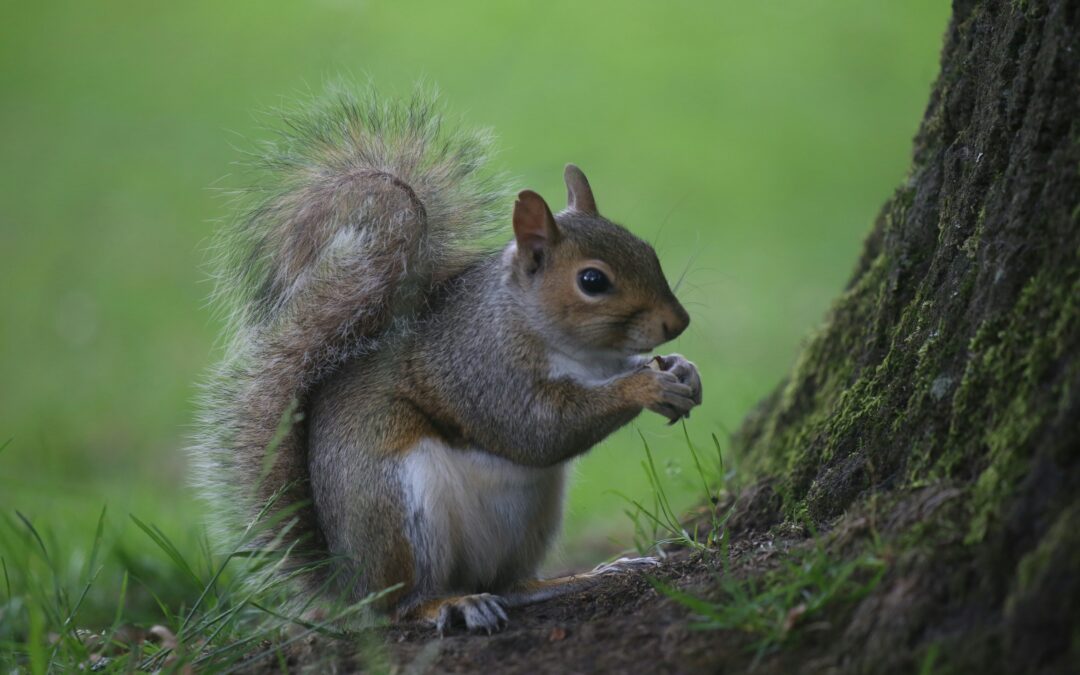
When you watch squirrels darting across a yard or jumping between tree branches, you might think their biggest strength is speed or agility. But one of the most important tools they carry is actually less visible, their sense of smell. Squirrels rely on scent far more than most people realize. Whether they’re searching for hidden food, avoiding predators, or even recognizing each other, smell plays a central role in how they survive.
This might leave you wondering: just how good is a squirrel’s sense of smell, and how does it work? Let’s dig deep into this fascinating subject.
How Squirrels Use Their Sense of Smell
Squirrels depend on scent for daily survival. Unlike humans, who rely heavily on sight and sound, squirrels are wired to pick up chemical signals in their surroundings.
Here are the main ways squirrels use smell:
Finding Food
Food is everything for squirrels. Acorns, walnuts, pinecones, seeds, and even garden fruits are all located using scent. Their noses can detect the faint aroma of nuts even through soil, leaves, or snow. This is why squirrels are so efficient at digging up buried caches, their nose guides them straight to their stash.
Detecting Predators
Hawks, foxes, cats, and snakes all pose threats to squirrels. A strong sense of smell helps them catch the faintest odor of a predator nearby. This gives them the chance to run, climb, or freeze in place before they’re spotted.
Recognizing Each Other
Squirrels also use scent to identify other squirrels. They mark territories, leave scent trails, and use smell to distinguish family members from strangers. This keeps social interactions and territory boundaries clear.
Tracking Their Own Food Caches
One of the most impressive uses of scent is remembering where food is hidden. Squirrels bury food in many different places, sometimes hundreds of spots in one season. Their sense of smell allows them to dig up the right nut weeks or months later, even when it’s buried under layers of soil or snow.
Do Squirrels Smell Better Than Dogs?
Many people compare animals’ sense of smell to dogs, which are famous for their olfactory abilities. Squirrels don’t quite match dogs, but their noses are still extremely sharp for their size. Research shows that squirrels can detect nuts buried several inches underground. They also have specialized scent receptors that make them sensitive to chemical signals most humans could never notice.
From my own personal experience watching squirrels in my backyard, I’ve seen them dig directly into the soil at the exact spot where they buried something weeks before. There were no visible signs above ground, only the squirrel knew. That accuracy tells you their sense of smell is far more advanced than many animals of similar size.
The Science Behind a Squirrel’s Nose
The structure of a squirrel’s nose explains why it’s so powerful. Inside the nasal cavity, squirrels have olfactory receptors that detect odor molecules. The brain processes these signals quickly, translating them into specific “scents” that guide behavior.
Key features of their olfactory system:
Large receptor surface area: This increases the number of smells they can detect.
Olfactory bulbs: These are parts of the brain dedicated to smell. In squirrels, they are proportionally larger than in humans.
Moist nasal lining: This traps odor particles and makes scent detection sharper.
All of these features work together, allowing squirrels to survive in a world full of predators, competitors, and changing food availability.
Seasonal Importance of Smell
A squirrel’s reliance on smell changes with the seasons.
Fall: Smell helps them identify ripe nuts and seeds, then bury them in safe locations.
Winter: When snow covers the ground, squirrels use smell to locate hidden caches under ice and frozen soil.
Spring: They detect new plants sprouting, buds opening, and leftover caches.
Summer: Smell helps them recognize fruit ripening and avoid spoiled food.
Without smell, their seasonal rhythm would fall apart.
Can Squirrels Smell Through Snow and Soil?
Yes, squirrels can detect buried food through both soil and snow. Scientists have tested this by covering nuts with layers of soil or snow, and squirrels consistently located them. Their nose can pick up chemical cues released by food, even when it’s not visible.
This is why squirrels are excellent at retrieving buried acorns months later. Even if the ground looks identical everywhere, their nose guides them like a built-in GPS.
The Role of Smell in Squirrel Memory
Smell works together with memory. Squirrels don’t rely only on smell; they also remember the general area where they stored food. Once in the right spot, their sense of smell confirms the exact location. This combination of memory and scent detection makes them master hoarders.
It’s important to note, though, that squirrels sometimes fail. Studies show they may forget a percentage of their caches, which then grow into trees. In a way, their imperfect memory actually benefits forests.
Do All Squirrel Species Smell the Same?
Not all squirrels have the same level of scent ability. Tree squirrels, ground squirrels, and flying squirrels use smell differently:
Tree squirrels: Excellent at locating nuts in soil or snow.
Ground squirrels: Rely more on smell for predator detection, since they live in burrows.
Flying squirrels: Use smell to identify fungi and navigate nocturnal environments.
Each species adapts its sense of smell to match its lifestyle.
Why Humans Notice Squirrels’ Smell Abilities
If you’ve ever left out bird feeders, you already know squirrels can detect food quickly. A feeder filled with seeds will draw squirrels from far away. Even if the food is covered or hidden, squirrels eventually find it. This ability frustrates many people trying to keep squirrels away, but it also shows just how strong their noses are.
From My Own Personal Experience
I’ve personally seen squirrels in my garden sniff around like detectives before digging. What’s fascinating is how precise they are. They’ll pause, raise their nose in the air, and then dart to a specific spot. Moments later, they’re pulling out a nut they buried weeks earlier. No human marker or tool could have pointed them to that exact spot, only their nose.
Based on my overall experience observing squirrels, I’d say smell is one of their most underrated skills. People often admire their climbing or their playful energy, but their olfactory ability is what truly keeps them alive year after year.
Do Baby Squirrels Have a Good Sense of Smell?
Young squirrels develop their sense of smell early. Even as babies in the nest, they use smell to identify their mother. This helps them find food and stay safe. As they grow, their olfactory system matures, making them skilled at locating food caches just like adults.
How Long Can Squirrels Track a Scent?
Squirrels don’t track scents over long distances like bloodhounds, but they can pick up strong food smells from several meters away. They’re excellent at pinpointing odors within a limited area. Their strength lies in accuracy, not distance.
Can Squirrels Smell Danger in Humans?
Many people wonder if squirrels can smell fear or detect human scent. While there’s no solid evidence that squirrels interpret human scent like dogs do, they are sensitive to unfamiliar odors. A squirrel may avoid a spot where a human has left strong scent traces, especially if it associates that smell with danger.
How Smell Shapes Squirrel Survival
Without their sense of smell, squirrels would lose their main survival tool. They wouldn’t be able to:
- Locate buried food in harsh winters.
- Detect predators before they strike.
- Identify other squirrels by scent.
- Choose the right plants, fruits, and seeds to eat.
Smell is central to their survival strategy, proving that their nose is as important as their sharp claws or fast reflexes.
Final Thoughts
So, do squirrels have a good sense of smell? The answer is a clear yes. Their noses are finely tuned survival machines. They use smell to find food, detect predators, recognize each other, and even recover buried treasures months later.
If you ever see a squirrel sniffing the ground or pausing with its nose raised, know that it’s tapping into a powerful natural tool. From my own personal experience, their accuracy never stops being impressive. It’s a reminder of how much goes on in nature that humans often overlook.