
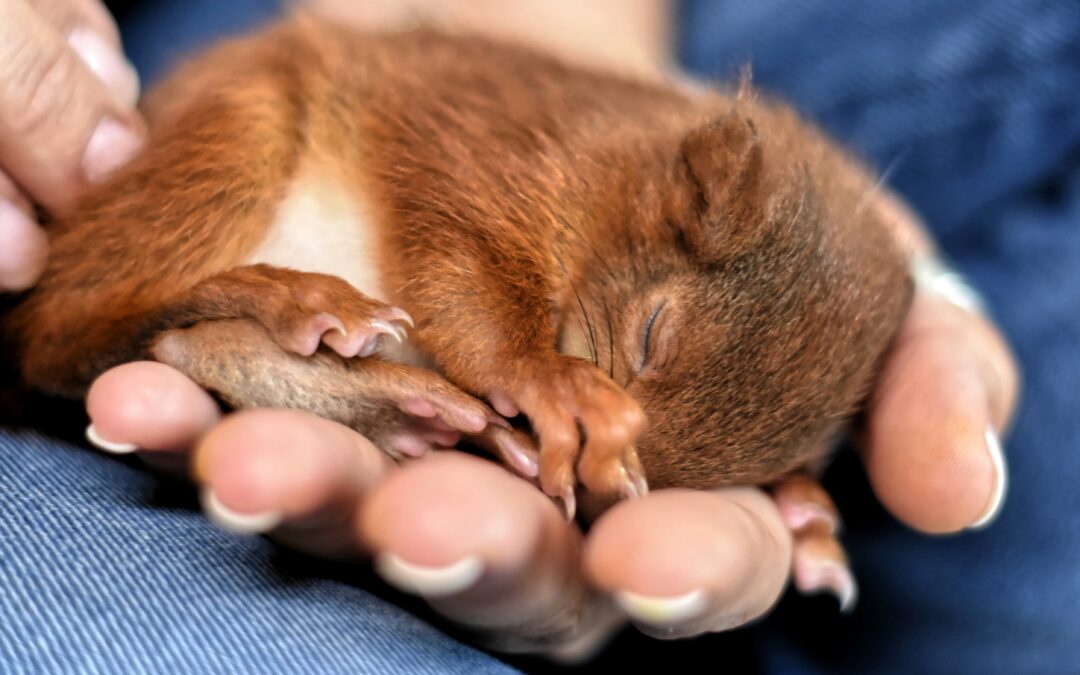
If you’ve ever found yourself caring for a baby squirrel, or even just curious about their little lives, one of the first things you might wonder is how long they sleep. These tiny creatures spend so much of their first weeks in a nest, curled up, quiet, and almost invisible to the world. From my own personal experience, I can tell you that baby squirrels sleep a lot more than most people expect, and their sleep habits actually play a major role in how they grow. Understanding their sleeping patterns isn’t just a fun curiosity, it’s also very useful for anyone who might find themselves raising an orphaned baby squirrel.
Sleep is vital for all animals, but with baby squirrels, it’s the backbone of their development. If you’ve ever spotted a baby squirrel and wondered why you hardly see it awake, the truth is simple: these little ones are wired to rest, restore, and grow through long sleep cycles. But how long exactly do baby squirrels sleep, and why do they need so much rest? Let’s break it down.
Why Baby Squirrels Sleep So Much
Baby squirrels are born blind, deaf, hairless, and completely dependent. In the first few weeks, their bodies are busy building muscle, growing fur, and developing their senses. Sleep is the fuel that keeps all of this on track.
Think of it like this: human babies spend most of their time sleeping because their brains and bodies need uninterrupted rest to develop. Squirrels are no different. Their nervous systems, organs, and reflexes grow faster during deep sleep. Without enough rest, a baby squirrel can face delays in growth or even health risks.
How Long Do Baby Squirrels Sleep Each Day?
On average, a newborn squirrel can sleep between 18 to 20 hours a day. That’s nearly their entire day spent sleeping! As they get older, the hours of sleep slowly reduce, but they still need plenty of rest throughout their early months.
Here’s a rough timeline of how their sleep patterns change:
- Newborn to 2 weeks old: They spend nearly all their time asleep. At this age, they only wake for short feeding sessions, often every few hours. Once fed, they quickly curl back into sleep.
- 3 to 5 weeks old: Sleep is still the dominant activity. They begin to open their eyes around week 4, but even then, their waking hours are short. You might see more stretching, little movements, and occasional squeaks, but most of the time, they’re asleep.
- 6 to 8 weeks old: Sleep time begins to balance out with waking curiosity. They’re now active in small bursts, crawling or climbing, but they still nap frequently and may sleep up to 16 hours daily.
- 9 to 12 weeks old: As they prepare for independence, sleep time decreases. They’re much more alert, playful, and energetic, but naps are still common. By now, their sleep might resemble an adult squirrel’s cycle.
What Kind of Sleep Do Baby Squirrels Have?
It’s not just the amount of sleep that matters, but the quality. Baby squirrels have sleep cycles similar to REM (rapid eye movement) and non-REM sleep that humans have.
During deeper sleep phases, their brains process the growth signals needed for body development. You might even notice tiny twitches or soft squeaks while they sleep, this is completely normal and shows that their nervous system is firing signals to strengthen their reflexes.
Do Baby Squirrels Sleep Differently in the Wild vs. Captivity?
Yes, they do. A baby squirrel in the wild has slightly different sleep patterns than one being cared for in captivity.
- In the wild: Baby squirrels stay inside the nest, hidden under leaves, twigs, and fur their mother lines it with. The nest keeps them warm, dark, and quiet, which encourages long, uninterrupted sleep. The mother squirrel returns only to nurse them, after which they quickly go back to resting.
- In captivity: Orphaned baby squirrels raised by people often sleep in warm pouches or boxes. Their sleep patterns can be disturbed if the environment is too noisy, too bright, or too cold. That’s why it’s so important to recreate a cozy, nest-like setting if you’re caring for one.
How Sleep Supports Growth
Every hour of rest directly impacts how strong and healthy a baby squirrel becomes. During sleep:
- Their bones lengthen and harden.
- Their muscles gain strength.
- Their fur grows thicker.
- Their immune system develops.
- Their brain creates the neural pathways that guide instincts like climbing, foraging, and even communication.
Without long stretches of sleep, all of these processes can slow down. That’s why sleep is as essential as food for them.
Feeding and Sleeping Go Hand in Hand
If you’re raising a baby squirrel, you’ll notice a simple pattern: feed, potty, and sleep. After nursing or bottle feeding, a baby squirrel almost always falls asleep right away. Their little bodies use the energy from milk to grow while they rest.
You don’t need to force them to stay awake. Their natural rhythm ensures they’re sleeping enough for their stage of life.
How to Help a Baby Squirrel Sleep Well
If you ever care for a baby squirrel, creating a proper sleeping environment is key. Based on my overall experience, here are some practical tips that actually work:
- Keep them warm: Baby squirrels can’t regulate their body temperature well in the early weeks. A soft cloth, fleece pouch, or heating pad under part of their bedding (not directly touching) helps.
- Provide quiet and darkness: Just like human babies, they need calm surroundings. Keep them away from loud noises and bright light to prevent stress.
- Avoid handling too much: While it’s tempting to hold them often, too much handling can stress them out and disturb their rest.
- Replicate a nest: Use soft materials that feel snug and safe. A shoebox with fleece lining can do wonders for their comfort.
The Transition to Adult Sleep Patterns
As baby squirrels grow, their sleep habits shift toward those of adults. An adult squirrel usually sleeps about 12 to 15 hours a day, often in two main cycles, one during the night and one during the hottest part of the day. By the time a baby squirrel is ready to live independently (around 12 to 14 weeks old), their sleep is much more balanced with active foraging and playtime.
Interesting Sleep Behaviors
Watching baby squirrels sleep can actually be fascinating. Here are a few things you might notice:
- Huddling: If there are siblings, they’ll curl up together. This isn’t just cute, it helps them conserve warmth.
- Twitching paws or tails: These are tiny reflexes developing while they dream.
- Small chirps or squeaks: Some babies vocalize lightly in their sleep.
- Stillness: At times, they’ll sleep so soundly they appear completely motionless, which can be alarming if you’re not used to it.
From My Own Personal Experience with Baby Squirrels
From my own personal experience, the most striking thing about baby squirrels is just how much they depend on their sleep for survival. When I first observed one, I was amazed by how quiet and peaceful they seemed. Hours would pass without any movement, except for the gentle rise and fall of their tiny bodies breathing. It taught me that their long sleep cycles aren’t a sign of weakness but a necessary process that helps them thrive.
Common Questions About Baby Squirrel Sleep
Do baby squirrels sleep through the night?
Yes, newborns usually sleep both day and night. Their sleep is not based on daylight but on their feeding cycle.
How do I know if a baby squirrel is sleeping too much?
It’s almost impossible for them to sleep too much in the early weeks. Long hours of sleep are normal. The concern is if they’re not waking to feed, which could mean illness.
Should I wake a baby squirrel for feeding?
Yes, if it’s been too long since the last feeding. Very young squirrels need regular milk every few hours. But after feeding, let them sleep again without interruption.
Conclusion
So, how long do baby squirrels sleep? The answer depends on their age, but in their earliest stages, they can sleep up to 20 hours a day, gradually reducing as they grow. Sleep is their natural way of fueling growth, strengthening their bodies, and preparing them for the active lives they’ll live once they leave the nest.
From my own personal experience, I can say that watching a baby squirrel’s sleep cycle is like watching nature’s most delicate rhythm unfold. They remind you that growth takes time, patience, and above all, rest. If you ever care for one, giving them the right environment to sleep peacefully is one of the greatest gifts you can offer.