
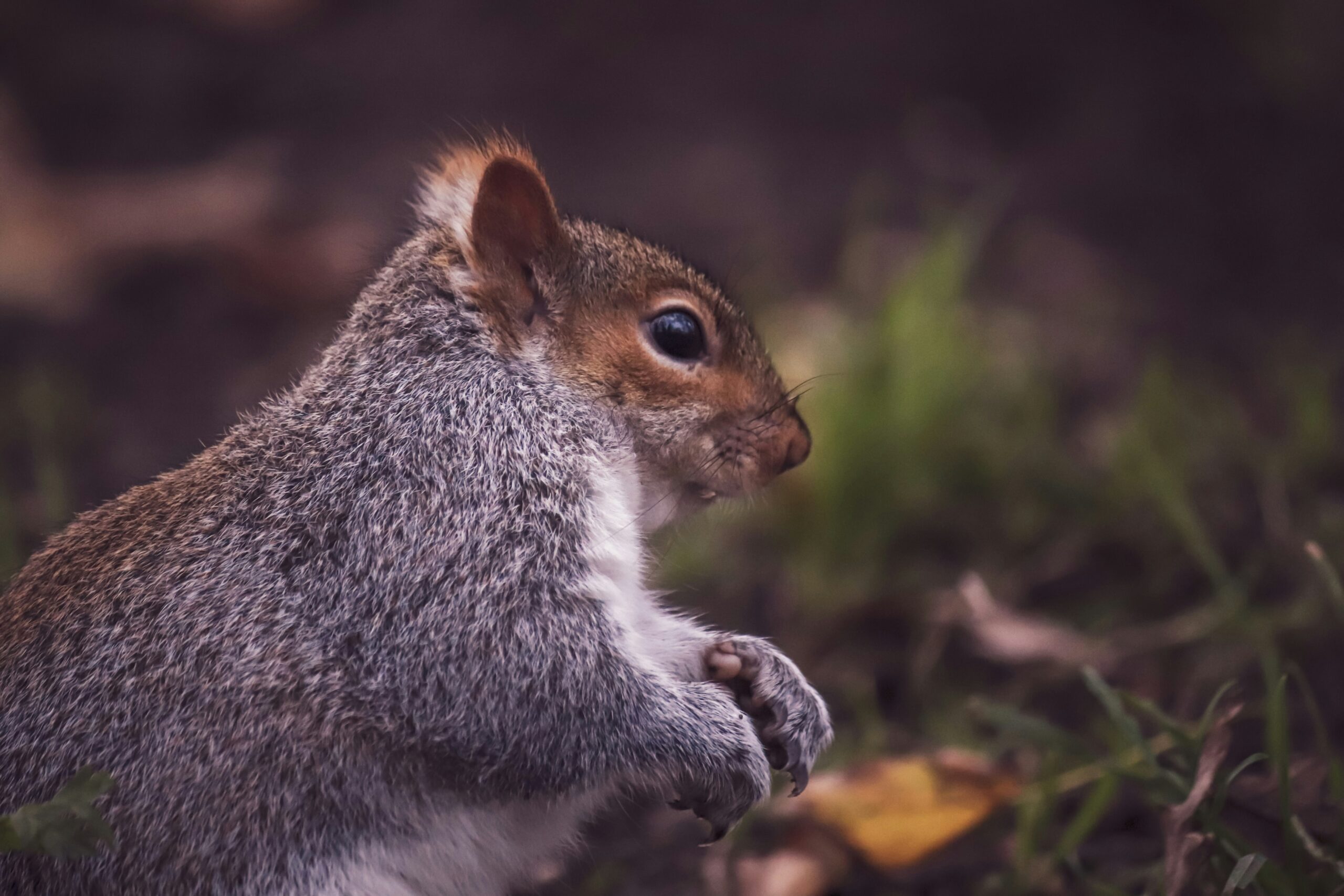
If you’ve ever sat in a park or near your backyard trees, chances are you’ve seen a squirrel darting around with something in its mouth. They’re quick, energetic, and always looking for their next snack. For many people, the first thing that comes to mind when feeding squirrels is peanuts. It feels natural because squirrels love nuts, and peanuts are cheap, easy to buy, and available almost everywhere. But the question you’re probably asking is: Can squirrels eat salted peanuts?
The short answer is yes, they can eat them, but it doesn’t mean they should. Salted peanuts pose risks to squirrels in ways that may surprise you. Let’s break this down carefully so you’ll understand why this snack might not be as harmless as it looks.
Why People Feed Squirrels Peanuts
Peanuts are one of the most common snacks people keep in their homes. They’re tasty, crunchy, and easy to carry around. When people head to the park, it’s natural to toss a few peanuts toward a curious squirrel. Part of the reason this habit is so popular is because squirrels often run right up to grab them. Their boldness makes it fun for people, and before you know it, you’re sharing half your snack bag.
From my own personal experience, I’ve noticed that squirrels get especially excited when they hear the rustling of a peanut bag. They seem to recognize the sound and immediately rush closer. That makes it easy to think peanuts are a safe and welcome food. But here’s the thing, just because squirrels like them doesn’t mean they’re healthy.
Salted Peanuts vs. Raw Peanuts
To understand why salted peanuts can be harmful, you need to know the difference between salted and raw peanuts.
- Raw peanuts are the pure form, straight from the shell or lightly dried. They contain protein, fat, and a bit of natural fiber.
- Salted peanuts are processed. Manufacturers roast them and add a high amount of sodium to improve flavor and shelf life.
While humans can handle a moderate amount of salt, squirrels have much smaller bodies. Their systems are not designed to process high levels of sodium. This difference makes salted peanuts potentially dangerous.
The Health Risks of Salted Peanuts for Squirrels
Squirrels need a balanced diet of nuts, seeds, fruits, vegetables, and even some fungi. Their bodies thrive on natural food sources, not processed snacks. Salted peanuts introduce several risks:
- Dehydration
Salt pulls water out of the body. For a small animal like a squirrel, even a little extra salt can cause dehydration. They don’t always have access to clean water, so the risk becomes higher in dry weather. - Kidney Stress
Squirrels’ kidneys are not built to filter excess sodium. Eating salted peanuts over time could stress their organs, leading to long-term health problems. - Addictive Behavior
Just like people crave salty chips, squirrels may start seeking out salted peanuts if they get used to them. This can shift their diet away from healthier food. - Nutrient Imbalance
Salted peanuts lack the vitamins and minerals squirrels naturally get from fruits, greens, and seeds. A steady diet of peanuts could leave them deficient in calcium and other essentials.
What Happens If a Squirrel Eats Salted Peanuts Occasionally?
You might be wondering, “But what if it’s just one or two peanuts?” In small amounts, salted peanuts won’t immediately harm a healthy squirrel. If a squirrel eats one or two once in a while, it’s not an emergency. However, the problem begins when people feed them salted peanuts regularly or in large amounts. That’s where the real harm builds up.
Think about it this way: if you gave a child potato chips every single day, the short-term effects might look harmless, but over time, the unhealthy diet would show its damage. It’s the same for squirrels.
Why Raw or Unsalted Peanuts Aren’t Perfect Either
Even if you switch from salted to raw peanuts, it’s still not the best choice for squirrels. Raw peanuts contain compounds that can interfere with their digestion and absorb nutrients poorly. For example, raw peanuts have a substance called aflatoxin, a mold toxin that grows on peanuts stored in humid conditions. This toxin can make squirrels sick if they eat too many contaminated peanuts.
Roasted unsalted peanuts are a safer option, but they should still be given in moderation.
Better Alternatives to Salted Peanuts
If you really want to feed squirrels, there are healthier choices that they’ll enjoy just as much, if not more:
- Hazelnuts
- Walnuts
- Pecans
- Acorns (their natural favorite)
- Almonds (unsalted)
- Pumpkin seeds
- Sunflower seeds
Fruits like apple slices, berries, or grapes are also safe in small portions. These options provide nutrients and energy without the harmful effects of excess salt.
What Squirrels Eat in the Wild
To understand why salted peanuts don’t fit well, it helps to look at a squirrel’s natural diet. In the wild, squirrels are opportunistic eaters. They munch on acorns, pine nuts, mushrooms, wild berries, insects, and even bird eggs. They have a balanced diet because they forage from different sources throughout the year.
Salted peanuts don’t exist in their natural environment. Introducing such food disrupts their instincts and can lead to health issues that wild squirrels wouldn’t normally face.
My Experience Watching Squirrels and Peanuts
Based on my overall experience, I’ve seen how quickly squirrels learn to expect peanuts. I once had a neighbor who fed them salted peanuts daily. At first, it seemed fun, the squirrels lined up on the fence waiting. But after a while, they stopped digging for acorns in the yard. Instead, they waited for the salty snack every morning.
One summer, I noticed some of them looking thinner and less energetic, even though they were eating peanuts every day. That was a clear sign that something wasn’t right. Once my neighbor switched to unsalted nuts and reduced the feeding frequency, the squirrels started acting more lively again. That’s when I realized just how much of a difference small changes can make.
Should You Stop Feeding Squirrels Altogether?
Not necessarily. Feeding squirrels is a personal choice, and it can be enjoyable to interact with them. The key is to make it safe. If you want to continue, offer them natural food in small amounts, spread out over time. Feeding them too often can make them dependent on humans, which isn’t healthy for their survival instincts.
What To Do If You Already Fed Them Salted Peanuts
If you’ve given squirrels salted peanuts before, don’t panic. The best thing you can do is stop giving them salted snacks and switch to natural alternatives. Squirrels are resilient creatures, and occasional mistakes won’t usually cause long-term harm. What matters is making better choices from now on.
Final Thoughts
So, can squirrels eat salted peanuts? Technically, yes. But should they? The answer is no. Salted peanuts can cause dehydration, stress the kidneys, and upset a squirrel’s natural diet. Occasional exposure may not harm them immediately, but regular feeding puts their health at risk.
If you enjoy feeding squirrels, stick to unsalted nuts and natural foods. It’s a simple choice that helps keep these lively little animals healthy and happy. Remember, what’s convenient for you isn’t always safe for them. By making small changes, you’re supporting their well-being and keeping your encounters with squirrels positive and fun.