
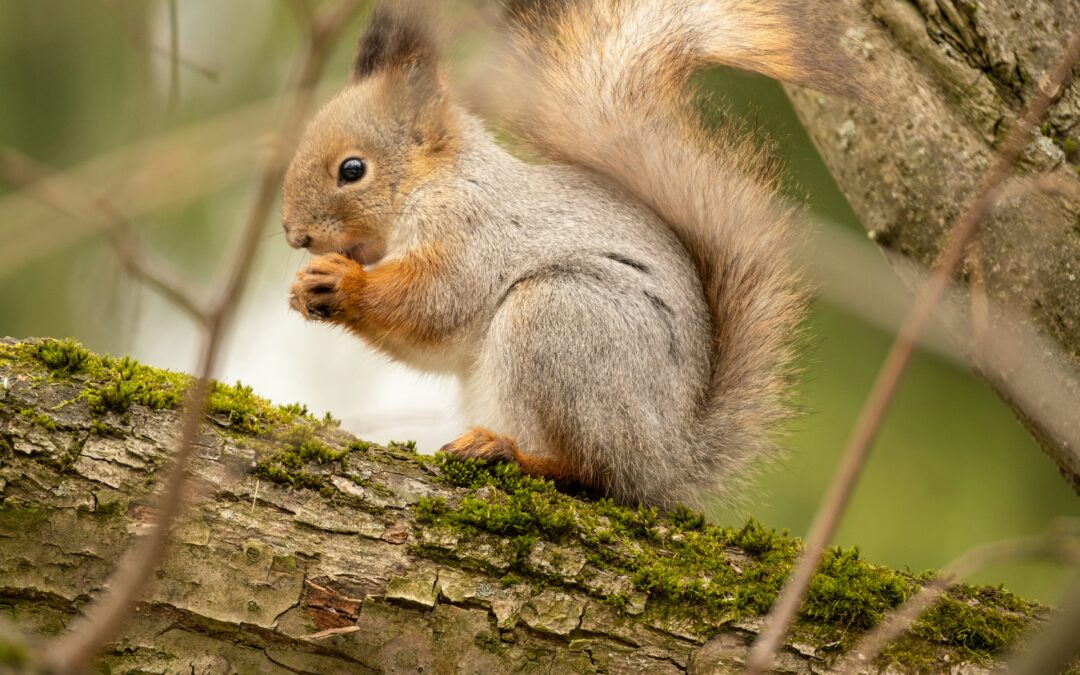
If you’ve noticed squirrels gnawing on wood around your home, you’re not alone. These little creatures may look cute, but the damage they cause can leave you frustrated and worried about repairs. Wood siding, decks, fences, or even outdoor furniture can all become their chewing targets. While squirrels don’t mean harm, their habits can create big problems if you don’t deal with them quickly.
I know how persistent squirrels can be from my own personal experience. They chew not just out of hunger but also because their teeth never stop growing. That means they’re always looking for something to grind down those sharp front teeth. Unfortunately, your wooden deck or siding often becomes their free dental care.
In this blog, I’ll break down why squirrels chew wood, what attracts them to your space, and most importantly, how you can stop them without creating a bigger problem. By the end, you’ll have practical and creative methods to protect your property, reduce damage, and maybe even enjoy squirrels in a way that doesn’t leave your wood full of chew marks.
Why Do Squirrels Chew on Wood?
The first step to stopping the problem is understanding it. Squirrels aren’t chewing your deck or fence because they’re angry at you. They have very real reasons:
- Dental Growth
Squirrels, like other rodents, have teeth that grow constantly. To keep them at a manageable length, they chew. Wood, being tough yet workable, is a perfect choice for grinding down teeth. - Marking Territory
Chewing leaves behind scent markers. When a squirrel gnaws on a fence post or railing, it may be signaling to other squirrels that this is its space. - Access to Food or Shelter
Sometimes the wood is in the way of what they want. They may chew through wood to reach nuts, birdseed, or even a warm attic where they can build a nest. - Natural Instincts
Squirrels are curious and restless. Chewing is a built-in behavior that keeps them active, engaged, and in survival mode.
The Damage Squirrels Can Cause
It might seem harmless at first, but the longer squirrels chew on your property, the bigger the issues become.
Chewed wood can weaken structures like railings or fences. Siding with bite marks can let in water, causing rot or mold. And if squirrels manage to chew their way inside, they may start working on wires or insulation, which adds a whole new layer of risk.
The key here is that squirrel damage isn’t just cosmetic. Left unchecked, it can become costly.
How to Tell If Squirrels Are the Culprit
You might not always catch them in the act, but you’ll notice clues. Look for rough, uneven bite marks on wooden surfaces. Squirrel teeth leave a distinctive chisel-like pattern. If you see wood shavings scattered around, that’s another strong sign.
Sometimes, you’ll also spot squirrel droppings nearby or see them darting around during the day. Unlike raccoons or other pests, squirrels are daytime chewers, so their activity is easier to spot.
How to Stop Squirrels from Chewing Wood
Now let’s get into solutions. There isn’t just one answer here, and what works for one property might not work for another. That’s why it helps to combine a few methods for the best results.
1. Use Squirrel Repellents
Repellents are one of the simplest ways to discourage squirrels. They don’t harm the animals but make the surface less appealing.
You can buy commercial sprays that contain bitter agents. When squirrels try to chew, the taste drives them away. Some sprays are based on natural scents like peppermint or capsaicin (the heat in chili peppers).
Homemade options can also work. A mix of vinegar and water sprayed on wood can create an unpleasant taste. Another method is rubbing soap with strong scents, like Irish Spring, directly on the wood. Squirrels dislike the smell and taste.
2. Cover Wood with Metal or Wire
Squirrels can’t chew metal, so adding a physical barrier is highly effective. Wrapping vulnerable posts or corners with aluminum flashing can protect them. You can also use hardware cloth or mesh to cover areas squirrels target.
For decks or fences, attaching strips of sheet metal along the edges keeps squirrels from getting a good grip. It’s not always pretty, but it gets the job done.
3. Offer Alternative Chewing Materials
If squirrels are determined to chew, sometimes it helps to redirect their energy. Placing untreated wood blocks or even tree branches away from your main structures gives them something else to grind their teeth on.
This approach is more about managing behavior than eliminating it, but it can reduce the pressure on your deck or siding.
4. Remove Food Sources
One reason squirrels stay close is easy access to food. If you have bird feeders, unsecured trash, or nut trees nearby, you’re practically inviting them over.
Switch to squirrel-proof bird feeders or move them farther from wooden structures. Secure garbage bins tightly. If you have fruit or nut trees, make sure fallen produce doesn’t stay on the ground for long.
5. Protect Your Garden with Smell and Taste
Squirrels are very sensitive to smells. Planting herbs like mint, garlic, or onions around wooden fences can make the area less appealing. Sprinkling cayenne pepper or chili flakes near wood can also discourage chewing.
These solutions need reapplying, especially after rain, but they can be effective as part of a broader plan.
6. Block Access to Shelter
If squirrels are chewing to get inside your attic, shed, or porch, you need to block those entry points. Seal gaps with hardware cloth or caulking, and check that vents or chimneys have covers.
Without the reward of shelter, squirrels are less likely to chew persistently.
7. Motion-Based Deterrents
Technology can help too. Motion-activated sprinklers or ultrasonic devices can startle squirrels and make them think twice about hanging around. While they might get used to some devices, combining motion deterrents with repellents or barriers increases your chances of success.
8. Keep Surfaces Less Attractive
Sometimes, changing the texture of wood makes it harder for squirrels to enjoy chewing. Painting or sealing wood adds a protective layer. Glossy finishes or oil-based paints are harder for squirrels to grip.
You can also try applying a coat of polyurethane or varnish. Not only does it protect the wood, but it also creates a slick surface that’s less chew-friendly.
9. Encourage Natural Predators
If squirrels feel unsafe, they won’t linger. Encouraging birds of prey like owls or hawks can help control squirrel activity. Installing an owl box in a tree nearby may attract one. Even realistic predator decoys, like plastic owls, can work for a while, though squirrels might eventually figure them out.
10. Professional Help
If the problem feels overwhelming, you can always call wildlife control experts. They know safe ways to trap or relocate squirrels, and they’ll help you secure your property so it doesn’t happen again.
Long-Term Strategy
Stopping squirrels isn’t about one quick fix. It’s about combining deterrents with prevention. Think of it as making your property less appealing. If squirrels find your space uncomfortable or unrewarding, they’ll naturally move on.
Consistency matters here. Repellents wear off, barriers need checking, and squirrels will test your defenses. A long-term strategy means keeping up with maintenance and adjusting methods as needed.
A Balanced Approach
It’s worth remembering that squirrels are part of your local ecosystem. They play a role in spreading seeds and supporting wildlife balance. While it’s frustrating to see them chew your wood, the goal isn’t to eliminate them completely, it’s to set boundaries.
From my overall experience with wildlife in outdoor spaces, finding a balance between protecting your property and allowing nature to exist nearby works best in the long run.
Final Thoughts
Dealing with squirrels chewing wood can feel like a never-ending battle. But with patience and a mix of strategies, you can protect your property without harming the animals. Repellents, barriers, food control, and consistent upkeep all play a part in success.
From my own personal experience, persistence pays off. Once you stick to your plan, squirrels eventually learn that your wood isn’t worth the trouble. You get to keep your fence, deck, or siding intact, and the squirrels move on to better chewing options.
So, the next time you hear that scratching sound or spot chew marks, you’ll know exactly what steps to take. Your wood deserves protection, and now you have the tools to make it happen.