
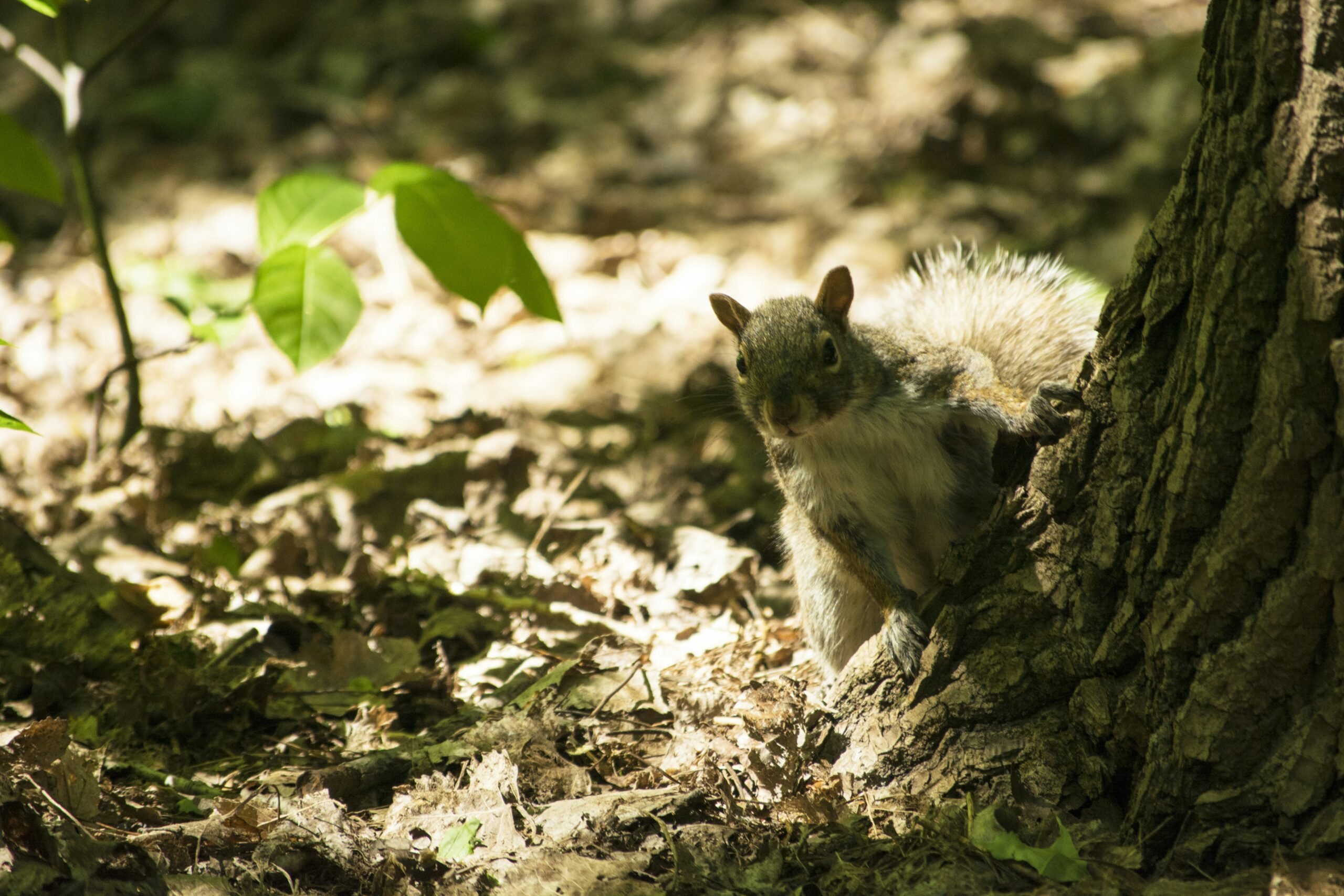
You found a small animal that died. You want to bury it with care and respect. This guide shows you how to do that step by step. I write in plain language. I keep sentences short. I say things you can act on right away. From my own personal experience, burying a small animal by hand can feel strange at first. It also helps you close that little chapter and keeps your yard safe and tidy.
This guide covers safety, tools, rules, step-by-step burial, alternatives, marking the grave, and common questions. Read the whole post or jump to the section you need.
Why bury a squirrel?
You bury a squirrel to remove a potential health risk. You also bury it to keep scavengers away. Burial prevents smell and mess. It keeps pets and kids safe. Burial also gives you a chance to say goodbye. The process is simple when you follow steps.
Safety and legal notes
Check local rules first. Some towns ban backyard burial. Some require special handling for animals found on roads. If you are not sure, contact local animal control or public works. If the squirrel was sick or acting oddly before it died, treat it like wildlife that may carry disease. Use more caution.
Wear gloves. Use a mask if you fear dust or touch fluids. Wash your hands well after. Keep pets away during the whole process. If you see signs of rabies or other disease, such as foaming at the mouth, strange aggression, or odd behavior before death, do not touch the animal. Call local animal control. In most common backyard deaths, burial is safe if you follow simple hygiene.
Tools and supplies you need
You do not need fancy gear. Gather these items beforehand:
- Thick disposable gloves or reusable rubber gloves.
- A sturdy plastic bag or two.
- A small shovel or garden trowel.
- A mask (optional but wise).
- Soil or mulch to refill the hole.
- A marker stone, plant, or stick if you want to mark the grave.
- Rubbing alcohol or disinfectant wipes.
- Hand soap and warm water.
Have a large container or bucket ready if you prefer to carry the carcass that way. Keep pets and children away while you work.
Where to bury the squirrel
Pick a place that makes sense for you. Use these simple rules:
Choose soil that drains well. Avoid low spots where water pools.
Pick a place away from vegetable gardens. Do not bury near food you will eat.
Stay at least 10 feet from water sources: wells, ponds, streams, or irrigation.
Choose a spot that is not on a neighbor’s property.
Avoid areas that get heavy foot traffic or frequent digging by pets.
If you have a pet that digs, pick a deeper spot. If you expect the area to be mowed or grave-marked, pick a spot you can easily see.
Step-by-step burial guide
Follow these steps in order. Keep sentences short. Act safely.
- Put on gloves. Use a mask if you want.
- Move the squirrel gently. Use the shovel or a plastic bag. Slide the animal into the bag. Tie the bag loosely. Do not crush the body.
- Dig the hole. Make it at least 2 feet deep for small animals like squirrels. This depth deters scavengers like foxes, raccoons, or coyotes. If you live where larger scavengers visit, dig 3 feet.
- Place the body in the hole. Lay it on the back or side. You may wrap it in a cloth or another bag first if you prefer.
- Add a small layer of soil over the body. Then place a flat stone or a branch above it to keep animals from digging. This helps the soil settle.
- Refill the hole. Pack the soil gently but firmly. Do not compact too hard. Leave the surface slightly domed so water runs off.
- Clean tools and hands. Wipe the shovel and any surfaces with disinfectant. Remove gloves and wash your hands with warm soap and water for at least 20 seconds.
- Mark the grave if you want. Place a rock, plant a small shrub, or drive a stick in the ground. This helps you remember the spot and prevents future digging.
If you want to perform a small ceremony, do that before you cover the hole. A brief moment is fine.
How deep should the hole be?
Depth matters. Two feet is the basic rule for small animals. If you have larger predators around, go three feet. The more soil above the carcass, the less likely a scavenger will dig it up. In rocky soil or shallow topsoil, try to choose the deepest workable spot you can find.
What if the soil is frozen or rocky?
If the ground is frozen, you have three choices:
- Use a flame-resistant metal posthole digger or pickaxe if you have one, and caution.
- Bring the carcass to a composting facility or animal control for disposal.
- Temporarily place the animal in a sealed bag in a cold, shaded spot until the ground thaws. Do not keep it indoors near people or pets.
If the ground is very rocky, pick a different location or choose alternative disposal.
Alternatives to backyard burial
You can choose other options. Here are safe alternatives:
Contact local animal control. They can advise or remove the carcass.
Take the animal to a wildlife rehabilitation center or shelter. They sometimes accept carcasses for testing or disposal.
Use municipal trash pickup if rules permit. Place the body in double bags and label if required. Check local waste rules.
Cremation. Some pet cremation services accept wildlife for a fee. This option is clean and permanent.
Composting. Backyard composting of a small animal is possible but requires care and specific methods. Use a dedicated hot compost system and follow local guidelines.
Choose the option that fits your local laws and comfort level.
How to handle decomposition and smell
A fresh carcass will not smell much if buried promptly. If it has started to decompose, the smell may be stronger. Deep burial reduces smell. Use these tips:
Double-bag the animal if it smells.
Bury deeper than two feet if smell is strong.
Place a layer of garden lime over the body before you add soil. Lime helps dry and neutralize odor. Use lime sparingly and with gloves. Lime can change soil pH so avoid on garden beds.
Add dry leaves, wood chips, or sawdust. These materials help absorb fluids and reduce smell.
Clean the area and tools afterward.
What to do if you find multiple dead squirrels
Multiple deaths could mean disease, poison, or environmental hazard. Do not bury multiple animals in the same hole. Contact local animal control or the local public health department. They can investigate. Do not assume normal causes when you find more than one carcass in a small area.
Marking the grave
Marking the grave helps you avoid accidental digging later. Use one of these simple markers:
- A large flat stone with a small painted dot.
- A planted perennial or shrub.
- A decorative garden stake or small wind chime.
- A wooden stick tied with a ribbon.
Pick a marker that fits your yard design. Keep it simple and respectful.
Pets and burial
Keep pets away from the site during the whole process. Animals may try to dig up the carcass. After the burial, keep pets from digging for at least a week. If a pet chewed or touched the dead squirrel, call your vet immediately. Squirrels can carry parasites such as fleas or ticks. A quick check and preventive care are wise.
Diseases and when to call professionals
Squirrels can carry parasites and some diseases. Rabies is rare in squirrels but not impossible. If the animal showed strange behavior before death, such as aggression, stumbling, or disorientation, do not touch it. Call local animal control.
If you or your pet had direct contact with the carcass, monitor for signs of illness. If you have a wound or open cut, seek medical advice. If you think the squirrel was hit by a vehicle and is on a road, call your local road services or non-emergency police.
Common mistakes to avoid
Avoid these common errors:
- Burying too shallow. Superficial burial invites scavengers.
- Burying in vegetable beds. That can contaminate food.
- Leaving the carcass exposed. This attracts pests and smell.
- Using the same burial spot repeatedly. This can concentrate pathogens.
- Forgetting to clean tools. The shovel can carry parasites.
Follow the steps and you avoid most problems.
Composting small wildlife (quick overview)
Composting is an option if you know what you are doing. Do not mix animal carcasses with food scraps. Use a dedicated hot compost pile that reaches high temperature. Layer with carbon material (wood chips, straw). Cover well. This process can take months. Check local rules. Composting wildlife may be illegal in some areas. If you try it, keep it away from vegetable gardens.
Environmental considerations
Burial can be eco-friendly when done right. Avoid chemical treatments or non-biodegradable containers. Do not use plastic caskets. Use natural fabric if you wrap the animal. Avoid lime near plants you plan to eat. Think about water sources. Bury at least 10 feet away from wells and streams.
How long until the body decomposes?
Decomposition time depends on soil type, temperature, and depth. In warm, moist soil, a small animal can break down in weeks to a few months. In cold, dry soil, the process can take much longer. Deep burial slows decomposition. That is fine. Over time, the remains return to the soil.
Emotional note: dealing with small loss
Finding a dead animal can feel sad. A brief ritual helps. You can say a few words. You can scatter some wildflower seeds above the grave. You can sit for a minute. These small acts help you move on.
Quick checklist (no repeats)
- Gloves on.
- Tools ready.
- Pick a safe spot.
- Dig at least two feet.
- Place the animal gently.
- Add absorbent material if needed.
- Cover with soil and mark the spot.
- Clean tools and wash hands.
FAQs
Q: Can I bury a squirrel in my backyard?
A: Often yes. Check local laws first. Avoid vegetable gardens and water sources.
Q: What if the squirrel had ticks?
A: Wear gloves. Double-bag the carcass. Clean tools. If your pet had contact, call a vet.
Q: Can I touch the squirrel with bare hands?
A: No. Avoid bare-hand contact. Use gloves and a bag.
Q: Should I use bleach?
A: Do not pour bleach into the hole. Use disinfectant wipes to clean tools. Bleach can harm soil and plants.
Q: What if the animal was someone’s pet?
A: Contact local authorities or animal services. Look for ID tags or microchip information.
Q: What if the carcass is in the road?
A: Call your local non-emergency line or animal control. They can remove roadkill.
Q: How long do I need to stay near the site after burial?
A: No long wait. Clean up tools and leave. Check the site later to make sure no scavengers disturbed it.
When to call animal control
Call animal control if:
- You find multiple dead animals.
- The animal displayed odd behavior.
- The carcass is large or in a public area.
- You see signs of poisoning or unknown chemicals.
- You are unsure of local rules.
Animal control can remove the animal and advise on next steps.
Handling in cold weather
If the ground is frozen:
- Place the sealed carcass in a shaded, cold place until thaw.
- Use a shovel with a pick or a mechanical tool if you have one and know how to use it.
- Consider contacting local services for removal.
Do not leave the carcass indoors.
How to write a short headstone or note
If you want a small note, keep it short. Examples:
- “Small friend, gone.”
- “Rest now.”
- “Squirrel, [year].”
Keep it simple and tasteful.
Disposal of multiple carcasses or signs of poison
If you suspect poison, do not bury multiple animals. Poison can affect scavengers and wildlife that dig. Wear protective gear and call local authorities. They will test and manage the site if needed.
Final checklist before you leave
- Gloves removed and discarded.
- Tools wiped and rinsed.
- Hands washed thoroughly.
- Site checked for loose soil or exposed remains.
- Marker placed if desired.
Summary
Burying a dead squirrel is simple when you follow clear steps. Use gloves. Pick the right spot. Dig deep enough. Cover the body and mark the site. Clean up after. If you are unsure, call local animal control. If you see multiple dead animals or odd behavior, seek professional help.