
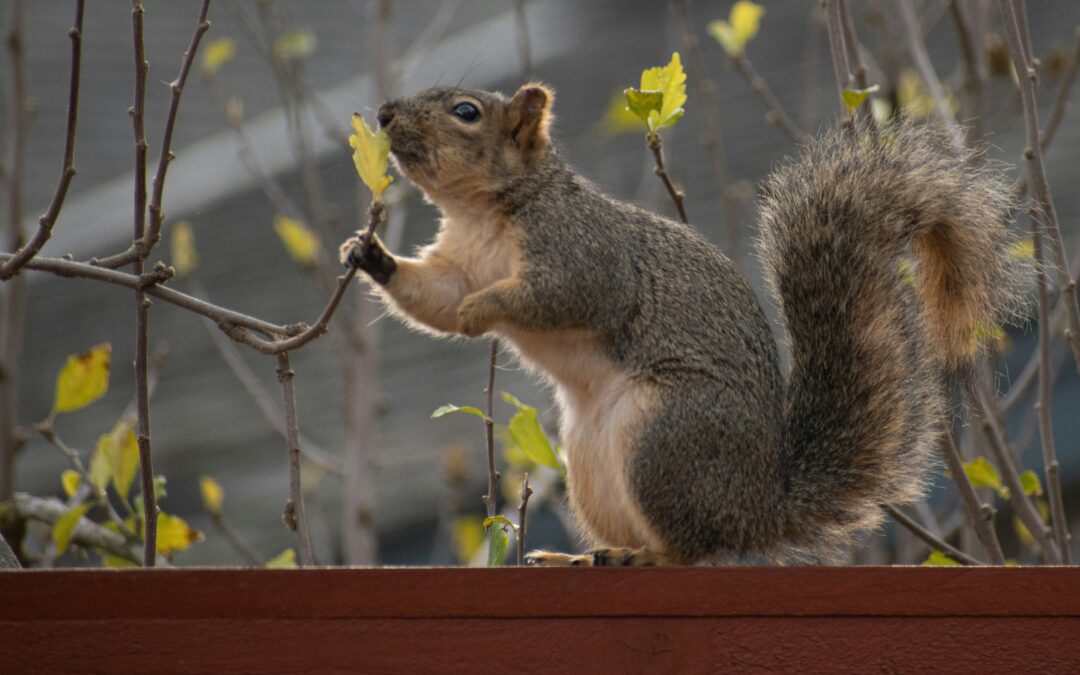
If you’ve ever watched a squirrel darting across your backyard or climbing up a tree, you might have wondered what exactly they eat. Nuts? Sure. Seeds? Definitely. Fruits and vegetables? Yes, when they can get them. But then another thought comes up: do squirrels eat grass?
At first glance, it seems unlikely. Grass isn’t exactly the most nutrient-packed food out there, and you rarely see a squirrel chewing away on a lawn the way a rabbit might. But the answer isn’t as simple as a “yes” or “no.” Squirrels are opportunistic eaters, and their diets often depend on where they live, what food sources are available, and the season.
This blog post will walk you through everything you need to know about squirrels and grass, diving into their eating habits, nutritional needs, and behavior. Let’s take a closer look.
What Do Squirrels Usually Eat?
Before we zoom in on grass, it helps to understand what makes up a squirrel’s regular diet.
Squirrels are omnivores. That means they eat both plant-based and animal-based foods, though the bulk of their meals come from plants. Some staples in their diet include:
- Nuts like acorns, walnuts, and hazelnuts.
- Seeds from trees, shrubs, and plants.
- Fruits such as berries, apples, and cherries.
- Vegetables if they can raid a garden.
- Tree bark and twigs during winter.
- Insects, bird eggs, or small nestlings when other food is scarce.
So where does grass fit into this menu? It’s not a primary food source, but it does occasionally make an appearance.
Do Squirrels Eat Grass?
The straightforward answer is: yes, squirrels sometimes eat grass, but it’s not their main food choice.
They don’t treat grass the way herbivores like rabbits, goats, or cows do. Instead, squirrels might nibble on it occasionally, usually out of curiosity, hunger, or the need for quick roughage in their diets.
Grass is low in calories and nutrients compared to the energy-dense foods squirrels prefer, like nuts and seeds. Because squirrels need high-energy food to stay active and prepare for winter, they usually look for items that provide more fat, protein, and carbohydrates than grass can offer.
Why Would a Squirrel Eat Grass?
Even if it’s not ideal, there are a few reasons why you might catch a squirrel chewing on blades of grass.
Hydration: Grass contains moisture, and during hot days or drought, squirrels might eat it to get a bit of extra water.
Digestive Balance: Grass provides fiber, which can help keep their digestive systems moving, especially if they’ve eaten too many dense nuts or seeds.
Lack of Other Food: When food is scarce, like early spring before trees produce seeds or late winter after stored caches are gone, squirrels might turn to whatever is available, including grass.
Curiosity: Squirrels are naturally curious animals. Sometimes they’ll chew on things just to test them out, even if they’re not particularly nutritious.
Do Baby Squirrels Eat Grass?
Baby squirrels, known as kits, do not eat grass. For the first six to eight weeks of their lives, they rely solely on their mother’s milk. As they grow and begin to wean, they gradually shift to solid foods like nuts, seeds, and fruits.
Grass doesn’t play a significant role in this transition, since it doesn’t offer the energy young squirrels need to grow strong.
Do Different Types of Squirrels Eat Grass?
There are many species of squirrels, and their diets vary slightly based on habitat.
Gray Squirrels: Found in North America and Europe, they focus mainly on nuts and seeds but may nibble on grass during food shortages.
Red Squirrels: Smaller and more territorial, they stick closely to pine cones and seeds but have been spotted chewing grass near their nests.
Ground Squirrels: Unlike tree squirrels, they live closer to open fields, so grass is more readily available. They might eat more grass than their tree-dwelling cousins, but it still doesn’t form a major part of their diet.
Flying Squirrels: These nocturnal creatures prefer fruits, nuts, and fungi. Grass rarely makes an appearance in their meals.
Is Grass Good for Squirrels?
Grass isn’t harmful to squirrels, but it’s not particularly beneficial either.
Low Nutritional Value: Grass doesn’t provide the fats and proteins that squirrels need for energy and survival.
Good Fiber: It can aid digestion in small amounts.
Water Source: It gives hydration during hot days.
Think of grass as a filler food. It’s something squirrels might munch on occasionally, but they wouldn’t rely on it.
Squirrels vs. Rabbits: Different Approaches to Grass
If you’ve ever compared squirrels to rabbits, you’ll notice a big difference in how they handle grass.
Rabbits are herbivores, meaning their digestive systems are designed to process grass and extract nutrients from it. They can survive almost entirely on grass and hay.
Squirrels, on the other hand, are omnivores. Their digestive systems aren’t built to break down grass efficiently. They get much more benefit from calorie-dense foods. That’s why you’ll see rabbits grazing for hours, while squirrels dart around looking for nuts and seeds.
Can Grass Be Part of a Pet Squirrel’s Diet?
Some people rescue orphaned squirrels or keep them as pets (in regions where it’s legal). In such cases, you might wonder if it’s okay to feed them grass.
The answer is yes, but with limits. Pet squirrels can eat grass occasionally, but it should never replace their primary foods. A balanced diet for a pet squirrel should include:
- Nuts (unsalted and in the shell).
- Fresh fruits like apple slices, grapes, and bananas.
- Vegetables such as carrots and leafy greens.
- Small amounts of grains.
Grass can be an occasional snack, but it won’t provide the nutrition they need to thrive.
From My Own Personal Experience
From my own personal experience watching squirrels in my garden, I’ve noticed that they almost always prefer seeds or fruits over grass. But on hot summer days, I’ve seen one or two nibbling at patches of fresh lawn, especially near areas that had morning dew. It didn’t last long, they quickly moved on to sunflower seeds or the bird feeder.
This shows that while squirrels may occasionally eat grass, it’s more of a backup choice than a main course.
Why You Rarely See Squirrels Eating Grass
So why don’t you often see squirrels munching away at your lawn? There are a few reasons:
- Preference for Energy Foods: They naturally go for calorie-rich options.
- Better Alternatives Available: In most backyards, there are bird feeders, fruit trees, or gardens that offer tastier meals.
- Grass Isn’t Worth the Effort: It takes a lot of chewing with little payoff.
What About Grass Seeds?
While squirrels might not eat much grass, they are highly interested in grass seeds. If you’ve ever tried to plant a new lawn, you might have noticed patches mysteriously dug up or seeds missing. That’s often the work of squirrels.
Seeds are nutritious and energy-packed, making them far more attractive than the blades of grass themselves.
Seasonal Eating Habits and Grass
Squirrel diets shift with the seasons, and this affects how often they might nibble on grass.
Spring: Food is scarce after winter, so squirrels may try grass while waiting for trees to bud.
Summer: With fruits, seeds, and garden plants in abundance, grass is mostly ignored.
Autumn: Squirrels are busy storing nuts for winter, leaving little interest in grass.
Winter: In harsher conditions, squirrels may chew bark, twigs, or occasionally grass if nothing else is around.
Should You Worry About Squirrels Eating Your Lawn?
For homeowners, the question sometimes isn’t about curiosity but about damage. The good news is that squirrels don’t cause noticeable harm by eating grass. They’re more likely to dig holes looking for food caches or pulling up bulbs than actually grazing on the lawn.
If you see patches of grass pulled up, it’s more likely from digging rather than eating.
Final Thoughts
So, do squirrels eat grass? Yes, but only occasionally and usually out of necessity, curiosity, or hydration needs. Grass isn’t harmful, but it’s also not a major part of their diet.
Squirrels thrive on energy-dense foods like nuts, seeds, and fruits. Grass is more of a filler snack than a reliable source of nutrition. If you’ve ever spotted a squirrel nibbling at your lawn, it’s probably just a quick experiment before moving on to better meals.
Understanding these little behaviors helps you appreciate how adaptable squirrels are. They make do with what they can find, and sometimes, that means testing out a blade of grass or two.