
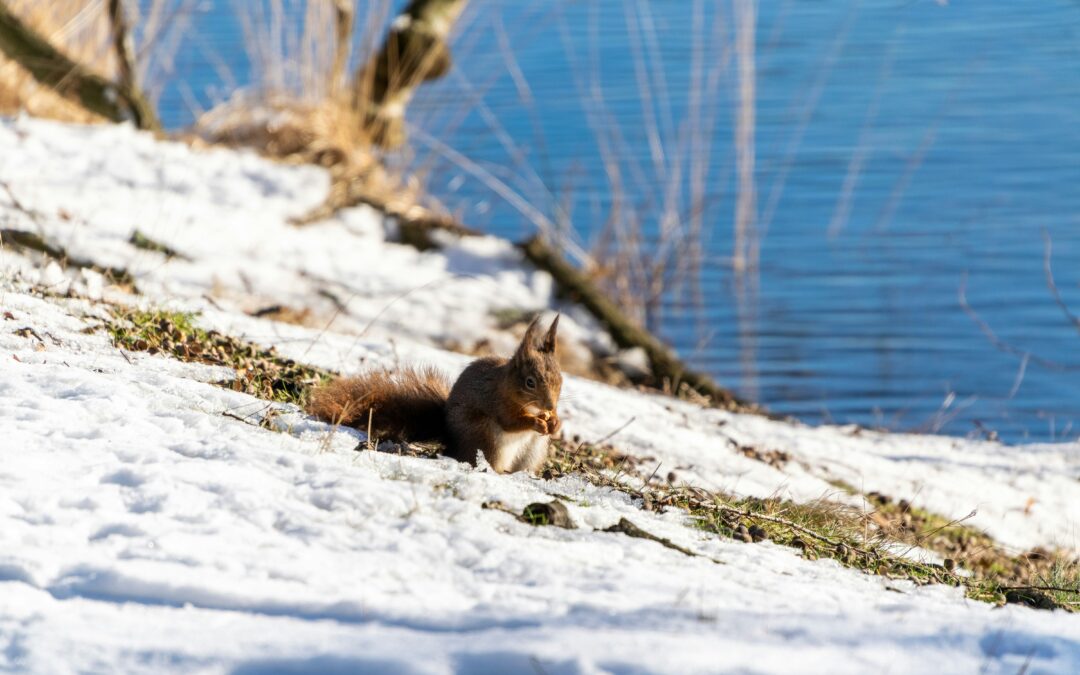
Squirrels are one of the most fascinating and adaptable creatures found in backyards, forests, and urban areas. Their playful antics and acrobatic skills make them a favorite for many wildlife enthusiasts, but understanding their diet can be a bit tricky. If you’ve ever wondered whether squirrels eat berries, this guide will give you a detailed look into their eating habits, preferences, and how berries fit into their overall diet.
Let’s Understand the Squirrel Diet Here
Squirrels are generally classified as omnivores, meaning they eat a variety of foods, both plant-based and sometimes animal-based. From my own personal experience, observing squirrels in local parks and gardens shows that they are opportunistic eaters. This means they will go for whatever food is available, which includes nuts, seeds, fruits, vegetables, insects, and occasionally eggs or small birds.
The diet of a squirrel is influenced by several factors, such as species, habitat, and seasonal availability of food. For example, tree squirrels are more likely to consume nuts, seeds, and fruits found in forests, while urban squirrels might scavenge leftover human food.
Berries in the Squirrel Diet
Berries are a natural and important food source for squirrels. They are packed with nutrients, including sugars for energy, vitamins for health, and antioxidants that help maintain their overall well-being. Some common berries that squirrels eat include:
Wild Berries
- Blueberries
- Blackberries
- Raspberries
- Strawberries
Squirrels often forage for wild berries when they are in season. They are attracted to the sweet taste and the easy accessibility of these small fruits. While squirrels won’t rely solely on berries, they do form a significant part of their diet during summer and fall when these fruits are abundant.
Cultivated Berries
Squirrels also enjoy berries grown in gardens, orchards, and even backyard containers. They are notorious for raiding strawberry patches or blueberry bushes. From my own personal experience, it’s almost impossible to keep strawberries safe from squirrels without using protective netting, as they have sharp teeth and can easily chew through small barriers.
Why Squirrels Eat Berries
There are several reasons squirrels include berries in their diet:
Nutritional Value
Berries provide essential nutrients that squirrels need to stay healthy. They are rich in carbohydrates, which provide a quick energy boost. This is especially important during the fall when squirrels prepare for winter by storing fat and building up their energy reserves.
Hydration
Berries have a high water content, which helps squirrels stay hydrated. This is particularly useful during the hot summer months when water might not be as readily available in their environment.
Variety in Diet
Squirrels need a balanced diet, and berries help diversify what they eat. Just like humans, squirrels benefit from eating different foods to get a mix of vitamins, minerals, and antioxidants.
How Squirrels Eat Berries
Squirrels have sharp teeth and agile paws that make eating berries easy. They usually:
- Pick berries directly from bushes or trees.
- Nibble on the fruit while holding it in their tiny hands.
- Sometimes store berries for later consumption.
Interestingly, squirrels might partially eat a berry and leave the rest for other animals or for later. This behavior is common in areas where food is abundant, and it demonstrates their natural instinct to ration resources.
Do All Squirrels Eat Berries?
Not every squirrel species eats berries, but most of the common tree squirrels and ground squirrels do. Some species, like the red squirrel, prefer seeds and nuts but will happily eat berries when available. Other species, like the grey squirrel, include berries more consistently in their diet, especially in areas where these fruits are plentiful.
Seasonal Influence
The availability of berries largely depends on the season. During spring and early summer, fresh berries are more common, while late summer and fall bring ripened fruits. Squirrels adapt their diet accordingly, increasing berry consumption when they are abundant and focusing on nuts or seeds when berries are scarce.
How to Observe Squirrels Eating Berries
Watching squirrels enjoy berries can be entertaining and informative. Here are a few tips for observation:
- Find a spot near berry bushes or trees. Look for areas where wild or cultivated berries grow.
- Keep a safe distance. Squirrels are curious but can be skittish around humans.
- Note their behavior. Observe how they pick, eat, or store berries.
From my own personal experience, sitting quietly near a blueberry bush early in the morning reveals a surprising amount of squirrel activity. They move quickly, often sharing the berries with other squirrels or burying them for later use.
Common Misconceptions About Squirrels and Berries
Some people think squirrels only eat nuts or steal human food, but this isn’t the full story. Squirrels are opportunistic eaters, meaning they will take advantage of any food source, including berries. Here are a few misconceptions clarified:
- Squirrels only eat nuts: Nuts are important, but berries are equally part of their diet.
- Squirrels harm plants when eating berries: While they may nibble on fruits, they rarely harm the plant itself. They usually eat ripe fruits, leaving the plant intact.
- Squirrels only eat berries in the wild: Urban squirrels also consume cultivated berries from gardens and orchards.
The Ecological Impact of Squirrels Eating Berries
Squirrels eating berries actually benefit the environment. When they consume fruits and discard seeds, they help with seed dispersal. This promotes plant growth and forest regeneration. Squirrels are natural gardeners in many ways, ensuring that berries and other plants continue to thrive.
Pollination and Garden Health
While squirrels don’t pollinate flowers, their activity in berry bushes can help spread pollen indirectly. Additionally, their selective eating habits can help plants produce stronger, healthier fruits over time.
Tips for Growing Berries When Squirrels Are Around
If berry consumption by squirrels is a concern, there are ways to protect your plants:
- Use garden netting. This prevents squirrels from reaching the fruits.
- Plant squirrel-resistant varieties. Some berry bushes are less appealing to squirrels.
- Provide alternative food sources. Placing sunflower seeds or nuts away from your garden may distract squirrels.
From my own personal experience, using lightweight netting over strawberry plants works well to keep squirrels from raiding them while still allowing sunlight and water to reach the berries.
Fun Facts About Squirrels and Berries
- Squirrels have a sweet tooth, which makes berries especially attractive.
- Some squirrels will eat overripe or fermenting berries, which can cause temporary intoxication.
- Squirrels are known to store berries just like they do with nuts, especially in preparation for winter.
Conclusion
Squirrels do eat berries, and they do so with enthusiasm whenever these fruits are available. Berries offer essential nutrients, hydration, and dietary variety that help squirrels thrive. Watching squirrels forage for berries can be a delightful experience, and understanding their behavior helps gardeners and wildlife enthusiasts coexist peacefully.
From my own personal experience, giving squirrels access to berries while also protecting cultivated plants strikes the perfect balance between enjoying wildlife and preserving a garden. Their presence reminds us how connected animals are to the natural cycle of food and growth.
Squirrels may be small, but their eating habits, especially when it comes to berries, are surprisingly complex and fascinating. Observing, learning, and appreciating these creatures can make time spent outdoors more rewarding and insightful.