
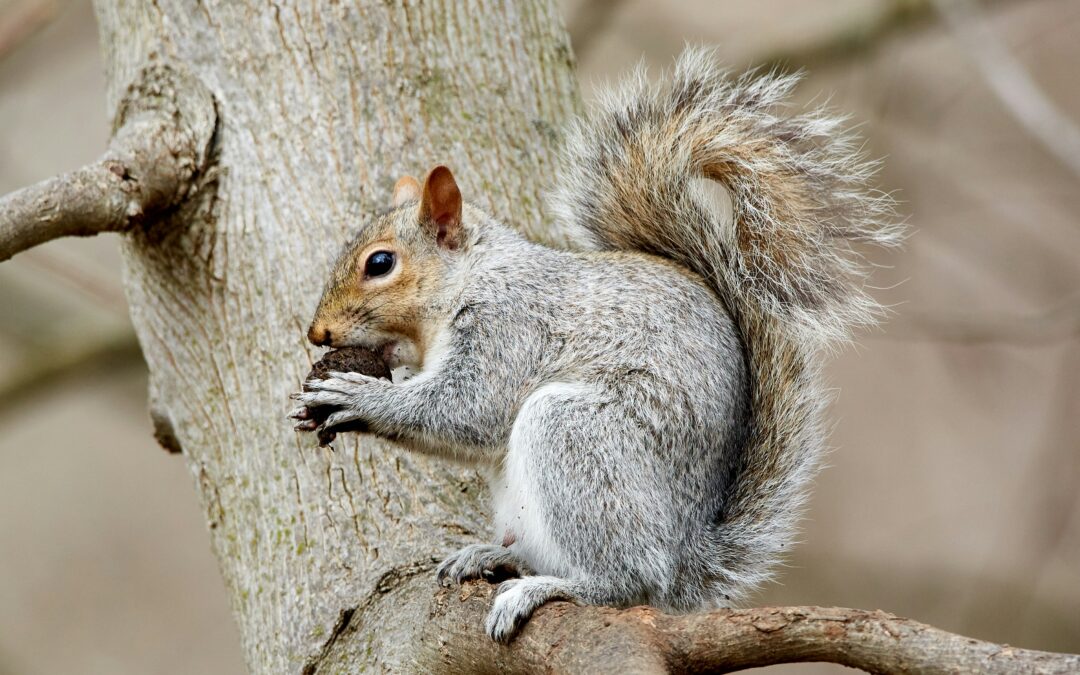
If you have ever stopped and watched a squirrel in action, you know how fascinating they are. Squirrels are more than just fluffy-tailed creatures scurrying through the park or raiding backyard bird feeders. They are agile athletes that rely heavily on their jumping abilities to survive. The way squirrels move through trees or leap across rooftops shows a balance of strength, control, and strategy.
When you look closely, their movements aren’t random. Every jump has a purpose, whether it’s moving vertically up a tree or launching horizontally from one branch to another. These two types of jumps, vertical jumps and horizontal jumps, define much of a squirrel’s daily life. From escaping predators to gathering food, squirrels rely on these jumps to stay alive.
From my own personal experience, watching squirrels in city parks and forested trails has shown me that they often choose different jump styles depending on the situation. The way they launch, land, and even prepare tells you a lot about their physical capabilities. In this post, we’ll go deep into the differences between squirrel vertical jumps and horizontal jumps. We’ll cover how they work, why they matter, and what makes squirrels such skilled jumpers.
Let’s break it down.
Let’s Understand the Basics of Squirrel Jumps
Before comparing vertical and horizontal jumps, it’s important to understand the mechanics of how squirrels jump in general. Unlike many animals, squirrels don’t just rely on instinct. Their bodies are built specifically for this kind of movement.
Anatomy That Supports Jumps
Squirrels have long, muscular hind legs. These act like springs, storing energy when they crouch and releasing it when they push off. Their sharp claws help them grip bark or surfaces as they prepare to launch. Their flexible ankles can rotate significantly, letting them climb headfirst down trees and adjust their grip mid-air.
Their tails aren’t just fluffy decorations. A squirrel’s tail helps with balance during both vertical and horizontal jumps. It acts as a counterweight, stabilizer, and even a parachute when landing.
Vertical vs. Horizontal Needs
A vertical jump focuses on gaining height. It’s about pushing upward, often to escape or reach something above.
A horizontal jump focuses on distance. It’s about covering ground quickly, usually from one safe point to another.
Both types require strong leg muscles, coordination, and sharp vision, but the angles, energy use, and risks are different.
Vertical Jumps
What Is a Vertical Jump?
A vertical jump is when a squirrel pushes itself upward, often in a straight or nearly straight line. This is usually done to climb higher in a tree or reach fruit or nuts positioned above.
How Vertical Jumps Work
When preparing for a vertical jump, a squirrel crouches low, coils its muscles, and then springs upward. The force is concentrated in the hind legs, with the front legs often stretched forward to catch the next branch or surface.
The tail flicks slightly to maintain stability, but most of the control comes from how the legs push. Vertical jumps often end with the squirrel latching onto bark, gripping tightly with claws to prevent sliding back down.
When Squirrels Use Vertical Jumps
- Climbing higher to escape predators on the ground
- Reaching fruit, acorns, or seeds located on upper branches
- Adjusting position when a lower branch feels unsafe
- Scaling fences, poles, or tree trunks in urban areas
Risks of Vertical Jumps
The main risk is falling backward if the jump doesn’t succeed. Unlike horizontal jumps, vertical ones don’t give much room for correction. If a squirrel miscalculates, it could slip. However, squirrels are extremely precise and rarely fail completely.
Example from Observation
Based on my overall experience watching them, squirrels often use short vertical jumps when navigating tree trunks. Instead of always running straight up, they leap in bursts, which saves energy and helps them move quickly while staying alert.
Horizontal Jumps
What Is a Horizontal Jump?
A horizontal jump is when a squirrel launches itself outward to cover distance. This is the type of jump people usually notice when squirrels leap from tree to tree or rooftop to rooftop.
How Horizontal Jumps Work
Before a horizontal jump, a squirrel usually pauses, checks the distance, and adjusts its body. It crouches low, then pushes with its back legs at an angle, projecting itself forward.
Its tail plays a huge role in these jumps. The tail shifts slightly left or right in mid-air to help steer. It also spreads out at landing to slow down impact. The front legs extend forward first, preparing for the grab, while the back legs tuck in for stability.
When Squirrels Use Horizontal Jumps
- Moving from one tree to another without climbing down
- Escaping predators quickly across open spaces
- Traveling across rooftops, wires, or fences in urban areas
- Playing or chasing each other in social behavior
Risks of Horizontal Jumps
A miscalculation can mean missing a branch completely. However, squirrels are surprisingly good at calculating distance. Studies have shown that they often adjust their launch based on the flexibility and thickness of the branch they’re on. If they sense instability, they jump at a different angle.
Example from Observation
From my own personal experience, squirrels in urban parks often prefer horizontal jumps between lampposts and trees because it saves them from having to climb down where dogs or humans might be nearby. They trust their ability to land more than their ability to run across open ground.
Comparing Vertical and Horizontal Jumps
Energy Use
- Vertical jumps require more pure leg strength and muscle energy since the squirrel pushes directly against gravity.
- Horizontal jumps spread energy between distance and height, relying more on coordination and balance.
Accuracy and Risk
- Vertical jumps need precision in grip and claw placement.
- Horizontal jumps require accurate distance judgment and strong steering mid-air.
Survival Benefits
- Vertical jumps are about gaining safety by moving up.
- Horizontal jumps are about moving forward quickly without losing time.
Everyday Examples
Think of vertical jumps as climbing stairs in bursts. Horizontal jumps are more like leaping across stepping stones. Both get you somewhere, but they serve different needs.
Why Squirrels Excel at Both
Squirrels are among the few animals that can transition seamlessly between vertical and horizontal jumps. Their survival depends on flexibility. If chased, they might leap upward onto a branch, then instantly launch horizontally to another tree. This mix keeps them unpredictable to predators.
Their strong eyesight also helps. Squirrels can judge distances quickly and accurately, even when branches sway. Their whiskers add an extra layer of sensory awareness, helping them feel surfaces and air movements as they prepare.
Human Curiosity About Squirrel Jumps
People are often fascinated by how squirrels manage these jumps without getting hurt. Watching them can feel like watching acrobats. Some researchers have studied squirrel jumps to understand biomechanics better. The findings even inspire robotics and movement science, since squirrels solve problems like balance and landing in ways humans can learn from.
From my own personal experience, I’ve noticed that squirrels rarely hesitate before horizontal jumps, but they do pause longer before vertical ones. It’s almost as if they’re double-checking their chances when moving straight up.
Lessons from Squirrel Jumps
Squirrels show us that agility is about more than strength—it’s about timing, awareness, and adaptation. Their vertical jumps teach persistence in moving higher despite resistance. Their horizontal jumps teach quick judgment and confidence in taking leaps forward.
Conclusion
Squirrels use both vertical and horizontal jumps for survival, play, and exploration. Each jump style has its own challenges and advantages. Vertical jumps are about height and escape, while horizontal jumps are about distance and movement. Together, they give squirrels the freedom to thrive in both natural forests and urban landscapes.
Whether you see them darting across a tree or soaring to the next branch, every jump reflects a mix of power, instinct, and strategy. Watching them closely shows how much thought goes into each move, even if it happens in a split second.
And honestly, from my own personal experience, paying attention to squirrel jumps has made me admire them more. Their movements are small lessons in courage and skill, reminding us that sometimes, survival is about knowing when to climb higher and when to leap forward.