
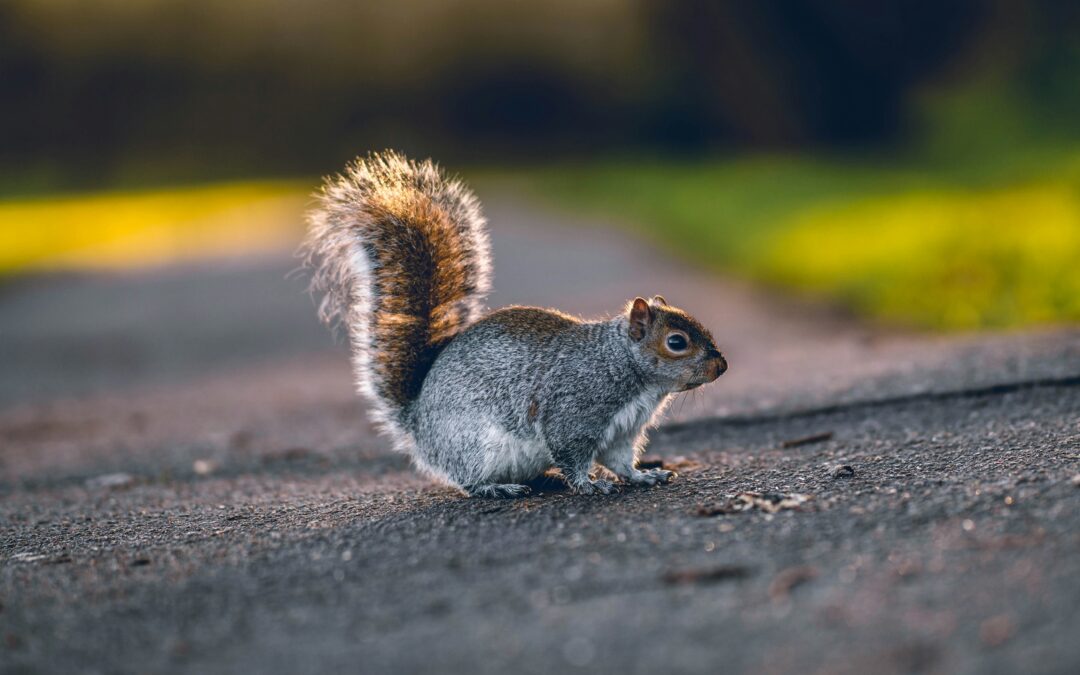
Squirrels are lively, curious, and fascinating little creatures. You often see them darting up trees, hiding nuts, or chasing each other through parks and backyards. But have you ever wondered how long a squirrel might live if kept in captivity? The answer is more layered than a simple number because different factors like diet, environment, species, and care all play a role. Let’s break it down in a clear and direct way so you can understand what truly affects their lifespan when they’re not out in the wild.
Life Expectancy of Squirrels in the Wild vs. Captivity
In the wild, squirrels face constant threats such as predators, harsh weather, disease, and accidents. Because of this, the average lifespan for a wild squirrel is usually between 6 to 12 years, depending on the species. Many don’t even make it past their first year due to natural dangers.
In captivity, things look very different. Without predators, cars, or food shortages, squirrels can live much longer. Some have been recorded living up to 20 years under proper care. This difference shows just how much environment and safety impact a squirrel’s overall life expectancy.
Common Species of Squirrels and Their Lifespans
Not all squirrels are the same, and their lifespans vary depending on the type. Let’s go through some common ones:
- Eastern Gray Squirrels – These are one of the most recognized species in North America. In the wild, they usually live 8 to 12 years. In captivity, they can reach 18 to 20 years with proper care.
- Fox Squirrels – Larger and more robust, fox squirrels live about 6 to 10 years in the wild. In captivity, their lifespan stretches closer to 15 to 18 years.
- Red Squirrels – Smaller and feistier, red squirrels often live 5 to 8 years outside. In controlled settings, they can live up to 12 years.
- Flying Squirrels – Known for their gliding ability, these nocturnal squirrels live 4 to 6 years in the wild. With the right environment, they can double their lifespan, reaching 10 to 12 years in captivity.
Why Do Squirrels Live Longer in Captivity?
You might be curious why a squirrel’s life is nearly doubled, or even tripled, in captivity. The main reasons are simple:
- Lack of predators – No hawks, snakes, owls, or cats trying to hunt them.
- Steady food supply – Instead of scavenging, they’re given balanced diets.
- Medical attention – Illnesses or injuries can be treated, unlike in the wild.
- Shelter – Captive squirrels don’t face storms, freezing winters, or scorching summers without help.
When you remove the dangers and hardships of nature, their natural biology allows them to live much longer.
The Role of Diet in Longevity
Food is one of the biggest factors that influence a squirrel’s lifespan. In the wild, they eat nuts, seeds, fruits, fungi, and sometimes insects or bird eggs. But their diet is often inconsistent.
In captivity, squirrels can thrive on a carefully planned diet. This usually includes fresh vegetables, high-quality nuts, fruits in moderation, and supplemental vitamins. Avoiding junk food like bread, processed snacks, or sugary fruits helps prevent obesity and diabetes, which can shorten their lives.
A proper diet keeps their bones strong, their teeth in good condition, and their immune systems healthy. Based on my overall experience with animal care, a well-fed squirrel is noticeably more active and shows fewer health problems over time.
The Importance of Habitat in Captivity
Keeping a squirrel in a small cage with no room to climb or explore will not only reduce their happiness but can also cut years off their life. Squirrels are natural climbers, jumpers, and explorers. They need plenty of vertical space, branches to climb, and things to chew on to keep their teeth from overgrowing.
A healthy habitat mimics their natural environment. That means large enclosures with trees, hiding spots, and climbing areas. When given stimulating surroundings, squirrels in captivity live longer because they remain mentally and physically active.
Social and Emotional Health
People often underestimate the emotional needs of squirrels. They are intelligent animals with high energy levels and curiosity. A bored or lonely squirrel can become stressed, which weakens the immune system and shortens life expectancy.
Socialization, toys, puzzles, and interaction with humans or other squirrels can improve their quality of life. Stress-free squirrels often live longer because their minds stay sharp, and their bodies stay healthier. From my own personal experience, animals that are kept engaged and loved tend to thrive far better than those left in isolation.
Health Care and Medical Attention
Another reason squirrels live longer in captivity is access to medical care. In the wild, even a small injury could mean death. In captivity, wounds can be cleaned, infections treated, and illnesses diagnosed early. Vets specializing in exotic animals or wildlife rehabilitation can extend a squirrel’s life by treating common issues such as respiratory infections, dental problems, or parasites.
Routine check-ups, vaccinations, and preventive care are all key. Just like humans, squirrels benefit from early intervention.
Risks and Challenges of Keeping Squirrels in Captivity
Even though squirrels can live longer in captivity, it’s not always easy or recommended to keep them as pets. In many regions, it’s illegal to keep wild squirrels without a permit. They require specialized care, large spaces, and constant enrichment.
Some challenges include:
- Aggressive behavior – Adult squirrels can become territorial.
- Chewing habits – They can destroy furniture, wires, or cages if not given proper outlets.
- Health issues – Without the right diet or care, captive squirrels can suffer from obesity, malnutrition, or metabolic bone disease.
Because of these challenges, many experts suggest that only licensed rehabilitators or sanctuaries should keep squirrels long-term.
Comparing Captivity to Semi-Wild Sanctuaries
There’s a difference between full captivity (like keeping a squirrel indoors as a pet) and a semi-wild sanctuary setup. In sanctuaries, squirrels live in large outdoor enclosures that mimic nature but still have food, protection, and medical support.
These environments often provide the best balance. Squirrels live long lives without the stress and restrictions of small cages. They still experience a natural lifestyle but with human support to keep them safe.
Do Squirrels Thrive or Just Survive in Captivity?
This is an important question. Yes, squirrels may live longer in captivity, but does that mean they live better lives? The answer depends on the quality of care. A squirrel kept in a tiny cage with no stimulation may live a long life, but it won’t be a fulfilling one. On the other hand, a squirrel given space, enrichment, and care can both thrive and live longer.
The key is balance, safety without sacrificing the animal’s need for movement and exploration.
Final Thoughts
So, how long do squirrels live in captivity? The short answer is anywhere between 10 to 20 years depending on species, diet, habitat, and care. But the deeper truth is that longevity depends on the quality of life provided. A squirrel can live a long and happy life in captivity if all its needs, physical, emotional, and nutritional, are met.
From my own personal experience, animals given proper care, love, and attention often exceed their expected lifespans. The same holds true for squirrels.
If you’re fascinated by squirrels and their potential lifespans, the most important takeaway is that their well-being depends on thoughtful, responsible care. A safe environment and a good diet can add years to their lives, but enrichment, love, and respect make those years truly meaningful.