
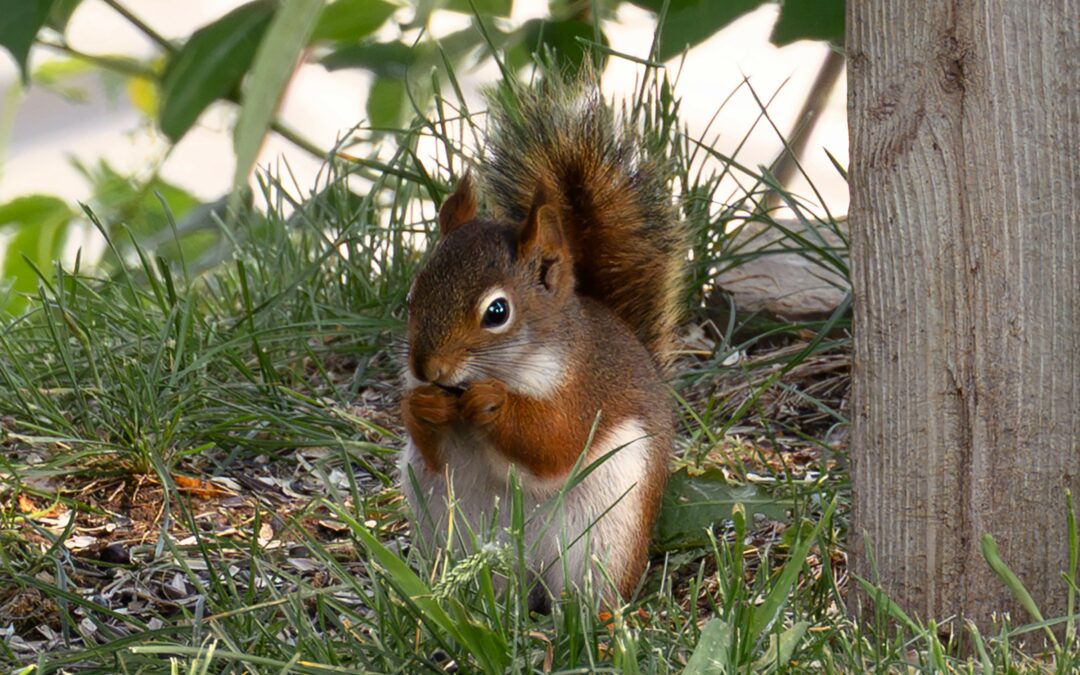
Squirrels are some of the most energetic and curious creatures around. You probably see them running around parks, leaping between trees, or scurrying across lawns. But have you ever wondered how these little acrobats bring new life into the world? How do squirrels breed, and what does their reproductive life look like? From my own personal experience, observing squirrels over the years can be fascinating because their breeding habits are surprisingly complex and varied depending on the species and environment.
Firstly, Let’s Understand Squirrel Reproduction
Squirrels belong to the family Sciuridae, which includes tree squirrels, ground squirrels, and flying squirrels. While their size, habitat, and behavior may differ, the basic reproductive process is similar across species. Squirrels are seasonal breeders, which means they do not reproduce year-round. Instead, they have specific periods when mating occurs. These periods are largely influenced by climate, food availability, and daylight length.
Most squirrels reach sexual maturity between 9 and 12 months, although some larger species may take up to two years to fully mature. Once they reach maturity, they are ready to find a mate and continue the cycle of life. Male squirrels are called bucks, and females are called does, similar to deer terminology.
Squirrel Breeding Seasons
The breeding season for squirrels varies by species and geography. Generally, tree squirrels have two mating seasons per year: one in late winter or early spring and another in midsummer. The first mating season usually leads to offspring being born in spring when food is plentiful, giving baby squirrels the best chance of survival. The second mating season can sometimes result in a smaller litter, depending on environmental conditions.
Ground squirrels, on the other hand, often have one main breeding season each year, usually coinciding with the end of hibernation. Because these squirrels spend a significant part of the year in hibernation, timing their reproductive cycle with the warmer months ensures that young squirrels are born when resources are abundant.
Flying squirrels, which are nocturnal, tend to have more specific and secretive breeding behaviors. Their mating season usually occurs in late winter or early spring, and because they are nocturnal, much of their mating behavior is observed at night.
How Squirrels Find a Mate
Finding a mate is a critical part of the breeding process for squirrels. Male squirrels become very active during mating season, often patrolling their territories and competing with other males. They use a combination of vocalizations, scent markings, and physical displays to attract females. Scent marking is particularly important, as it communicates sexual readiness and territorial boundaries.
Female squirrels, meanwhile, enter estrus, a period when they are fertile and receptive to mating. This usually lasts only a few days, which makes timing critical. During this period, females may leave their nests more frequently and exhibit behaviors to attract males. In some species, females may mate with several males, which can result in litters with mixed paternity.
Mating Behavior
Squirrel mating behavior can be surprisingly dramatic. Males often chase females around trees, across branches, and through open spaces in a display of agility and strength. This chase is not just play, it helps the female assess the male’s fitness and suitability as a mate. If the male successfully courts the female, mating occurs quickly, often lasting only a few seconds.
One interesting aspect of squirrel mating is that males sometimes fight over females. These fights can involve wrestling, biting, and chasing, and the winner gets the opportunity to mate. Female squirrels are selective, and they usually choose the strongest and most persistent males, ensuring that only the healthiest genes are passed to the next generation.
Pregnancy and Gestation
After mating, female squirrels undergo a gestation period that varies depending on the species. For most tree squirrels, pregnancy lasts about 44 days on average. Ground squirrels may have slightly longer gestation periods, ranging from 45 to 50 days, while flying squirrels typically have a gestation of about 40 days.
During pregnancy, females prepare their nests, called dreys in tree squirrels. Dreys are usually made of twigs, leaves, and moss and are located high up in tree branches or sometimes in tree cavities. Ground squirrels dig burrows with separate chambers for nesting, ensuring safety from predators. Flying squirrels use tree hollows or sometimes abandoned nests from other species.
Pregnant squirrels become more cautious during this time. They focus on gathering food and fortifying their nests. Their diet may shift slightly, with increased intake of protein-rich foods to support fetal development. Watching squirrels during this period, you can see them moving less energetically, conserving energy for the upcoming birth.
Birth and Raising the Young
When the time comes, female squirrels give birth to tiny, blind, and hairless babies, known as kits. The number of kits per litter depends on the species and individual health but usually ranges from two to eight. Tree squirrels typically have three to four babies per litter, while some ground squirrels can have larger litters.
The first few weeks of a squirrel’s life are critical. Newborns are entirely dependent on their mother for warmth and nourishment. She feeds them exclusively with milk, keeping them safe in the nest. In my own personal experience, watching a mother squirrel care for her young is both fascinating and heartwarming. She constantly checks for threats, grooms the kits, and keeps the nest clean, ensuring the babies grow healthy and strong.
Squirrels develop rapidly. Within a few weeks, their eyes open, fur starts to grow, and they begin to explore their immediate surroundings. By the time they are six to eight weeks old, they start venturing out of the nest under the watchful eye of their mother. This early period is crucial for learning skills like climbing, foraging, and avoiding predators.
Weaning and Independence
Weaning usually occurs between eight and ten weeks of age, depending on the species. During this time, the young squirrels gradually transition from milk to solid foods like nuts, seeds, fruits, and insects. The mother slowly reduces feeding, encouraging independence.
By three to four months of age, juvenile squirrels become more independent and start establishing their own territories. Male squirrels may wander farther, while females tend to stay closer to their birthplace. These early life experiences are critical, as they teach squirrels how to find food, avoid predators, and survive in their environment.
Factors Affecting Squirrel Breeding
Several factors can influence how squirrels breed and the success of their offspring. Food availability is perhaps the most significant. Squirrels time their breeding so that young are born when food sources are plentiful. Harsh winters, scarcity of nuts, or environmental changes can delay breeding or reduce litter size.
Predators also play a role. Squirrels face threats from birds of prey, snakes, and mammals like foxes or domestic cats. In areas with high predator activity, female squirrels may take extra precautions, nesting in more secure locations or spacing out births to reduce risk.
Human activity is another factor. Urban squirrels often adapt their breeding behavior to city life, nesting in attics or on buildings and scavenging human food. These squirrels may have slightly altered breeding cycles compared to their wild counterparts, but the basic reproductive processes remain the same.
Interesting Breeding Facts
- Squirrels have high reproductive potential. Even with one or two breeding seasons per year, a healthy female can produce multiple litters, contributing to rapid population growth.
- Some squirrel species practice delayed implantation, where fertilized eggs do not immediately attach to the uterus wall. This ensures that the timing of birth aligns with favorable environmental conditions.
- Male squirrels can detect female estrus through scent and even changes in behavior, allowing them to be highly selective and competitive.
- Ground squirrels have complex social structures during breeding, including communal burrows that provide safety for young.
Conclusion
Squirrels may seem small and simple, but their breeding habits reveal a remarkable level of complexity and adaptation. From seasonal mating patterns to dramatic courtship chases and meticulous nest care, the life cycle of a squirrel is both fascinating and essential for understanding these common yet extraordinary creatures.
From my own personal experience, watching squirrels interact during breeding season can be both entertaining and educational. Their dedication to raising young, combined with their agility and intelligence, shows just how finely tuned their reproductive strategies are. Whether in a city park, a forest, or a backyard, these creatures continue to thrive, ensuring that new generations of squirrels will keep bringing life, energy, and charm to the world around us.
Squirrels might be small, but their reproductive journey is a big reminder of nature’s resilience, adaptability, and wonder. Understanding how squirrels breed not only satisfies curiosity but also highlights the importance of protecting their habitats and ensuring these lively animals continue to flourish for years to come.