
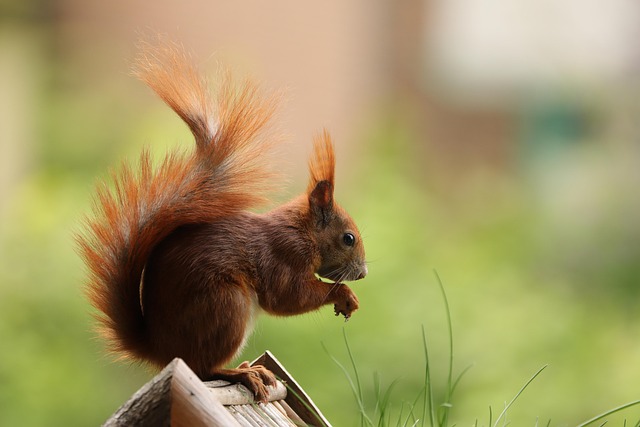
Squirrels are fascinating little creatures. They are agile, curious, and surprisingly smart. Many people interact with them in parks or even in backyards. But a question often comes up: are squirrels high in cholesterol? The short answer is yes, but the full story is more nuanced than that. Let’s dig deep into everything about squirrels, their nutrition, and how cholesterol comes into play.
Let’s Understand Cholesterol Here: The Basics
Before we talk specifically about squirrels, it’s important to understand what cholesterol actually is. Cholesterol is a waxy substance found in the blood, essential for building cells and producing certain hormones. However, too much cholesterol, especially low-density lipoprotein (LDL) cholesterol, can increase the risk of heart disease.
Humans typically worry about cholesterol levels in their diet, but animals have different metabolisms, and cholesterol behaves differently in their bodies. For instance, squirrels naturally have cholesterol in their system because it is necessary for brain function and hormone regulation.
The Diet of Squirrels
To understand whether squirrels are high in cholesterol, we first need to understand what they eat. Squirrels are omnivores, but most rely heavily on plant-based foods. Their diet includes:
Nuts and Seeds
Squirrels eat a wide variety of nuts and seeds like walnuts, almonds, sunflower seeds, and acorns. These foods are high in fats, but primarily healthy unsaturated fats. Unsaturated fats don’t raise cholesterol the same way animal fats do.
Fruits and Vegetables
Squirrels also consume fruits, berries, and certain vegetables. These are low in fats and naturally cholesterol-free.
Occasionally Protein Sources
Sometimes squirrels eat insects, bird eggs, or small animals. These foods contain cholesterol, but only in small amounts compared to a typical human diet.
From my own personal experience watching squirrels in urban areas, they rarely eat meat unless it’s readily available. Most of the time, they stick to nuts, seeds, and fruits.
Cholesterol Levels in Squirrels
So, are squirrels themselves high in cholesterol? The answer depends on context.
Wild Squirrels vs. Captive Squirrels
Wild squirrels, which eat a natural diet of nuts, seeds, and occasional insects, tend to have moderate cholesterol levels. Their bodies use cholesterol efficiently for brain function and hormone production.
Captive or pet squirrels fed high-fat diets, processed foods, or excessive meat may develop higher cholesterol levels, similar to what happens in humans with poor diets.
Comparing to Humans
If you were to compare squirrel meat to human meat sources, squirrels are relatively lean. The cholesterol content in a 100g serving of squirrel meat ranges from 50mg to 70mg, which is lower than red meats like beef (around 90mg per 100g). However, this is still significant if consumed frequently.
Health Implications of High Cholesterol in Squirrels
High cholesterol isn’t just a human problem. In squirrels, it can affect:
- Heart Health – Excess cholesterol can build up in arteries, potentially leading to heart issues.
- Liver Function – The liver plays a key role in processing fats. Too much dietary fat can strain the liver.
- Mobility – Squirrels rely on agility and speed. Excess body fat and cardiovascular issues could reduce their ability to climb or escape predators.
Luckily, wild squirrels usually self-regulate by eating mostly plant-based foods, which keeps their cholesterol levels healthy.
Squirrel Meat and Human Consumption
Some people hunt squirrels for food. If considering squirrel meat for human consumption, cholesterol is an important factor.
Nutritional Profile
Squirrel meat is rich in protein, low in fat compared to beef, and contains essential nutrients like iron, phosphorus, and B vitamins. However, it still has cholesterol, meaning people with heart disease or high cholesterol should eat it in moderation.
Preparation Matters
How squirrel meat is prepared can influence its cholesterol impact. Frying or cooking with heavy butter increases cholesterol and saturated fats. Roasting or stewing is healthier.
How Squirrels Maintain Healthy Cholesterol
Wild squirrels have a natural way of keeping cholesterol in check:
Balanced Diet
By eating mostly nuts, seeds, fruits, and occasional protein, squirrels maintain a balance of fats. Unsaturated fats from nuts actually support heart health rather than harm it.
Activity Levels
Squirrels are extremely active, running, climbing, and jumping constantly. This high level of activity helps metabolize fat efficiently and reduces cholesterol buildup.
Seasonal Variations
During the fall, squirrels eat more nuts to store energy for winter. Their cholesterol levels naturally rise to support fat storage. In spring and summer, their diet shifts to fruits and greens, lowering cholesterol naturally.
The Role of Omega Fatty Acids
Nuts and seeds contain omega-3 and omega-6 fatty acids. These fats are beneficial for both squirrels and humans. Omega-3s, in particular, reduce inflammation and help regulate cholesterol levels.
From my own personal experience observing backyard squirrels, those that have access to a variety of nuts seem healthier, more active, and display shinier coats—likely a result of omega fatty acids in their diet.
Common Misconceptions About Squirrel Cholesterol
Misconception 1: All Nuts Cause High Cholesterol
Nuts contain fat, but mostly unsaturated fats. Regular consumption doesn’t increase cholesterol for squirrels; it actually supports brain and heart health.
Misconception 2: Squirrel Meat is Extremely Fatty
Compared to beef or pork, squirrel meat is lean. Its cholesterol content is moderate, and it’s a good protein source when cooked healthily.
Misconception 3: Wild Squirrels Are Overweight
Most wild squirrels are not overweight. Their activity and natural diet keep them lean, unlike captive squirrels fed excessive processed foods.
How Squirrel Cholesterol Research Helps Humans
Studying cholesterol in squirrels can provide insights for humans. Squirrels naturally balance high-fat diets with activity, which can inform dietary habits.
Lessons for Humans:
- Balance is Key – A diet rich in healthy fats, fruits, and vegetables keeps cholesterol in check.
- Activity Matters – Regular movement helps metabolize fats efficiently.
- Natural Foods Are Best – Minimally processed foods reduce the risk of high cholesterol.
Squirrels as Pets: Cholesterol Considerations
Some people keep squirrels as pets. If raising a pet squirrel, cholesterol management becomes important:
Diet Tips
Feed mostly natural foods like nuts, seeds, and fruits. Limit meat and avoid processed human foods.
Monitor Weight
Overweight squirrels are at higher risk for high cholesterol and related health issues.
Veterinary Guidance
Regular checkups can help monitor cholesterol and overall health in pet squirrels.
Interesting Facts About Squirrel Fat
- Brown Fat – Squirrels have brown fat that helps regulate body temperature. This fat also affects cholesterol metabolism.
- Seasonal Storage – In autumn, squirrels store fat to survive winter, temporarily increasing cholesterol.
- Brain Health – Cholesterol supports cognitive function, which is crucial for squirrels that need memory to locate stored nuts.
Conclusion: Are Squirrels High in Cholesterol?
Squirrels can have moderate cholesterol, but it is naturally regulated by their diet and activity. Wild squirrels eating a balanced diet of nuts, seeds, fruits, and occasional protein maintain healthy cholesterol levels. Pet squirrels or those exposed to high-fat human foods may develop higher cholesterol, but this is avoidable.
For humans consuming squirrel meat, the cholesterol content is moderate and comparable to lean meats. Preparing it healthily can make it a nutritious addition to the diet.
From my own personal experience, observing squirrels in urban parks and backyards demonstrates that a natural diet and active lifestyle keep them healthy. High cholesterol is rarely a problem in the wild, which shows the power of balance and activity—lessons humans could take to heart as well.
In short, squirrels are not the cholesterol villains they are sometimes portrayed as. With the right diet and lifestyle, they thrive, and understanding their habits can help humans make better choices too.