
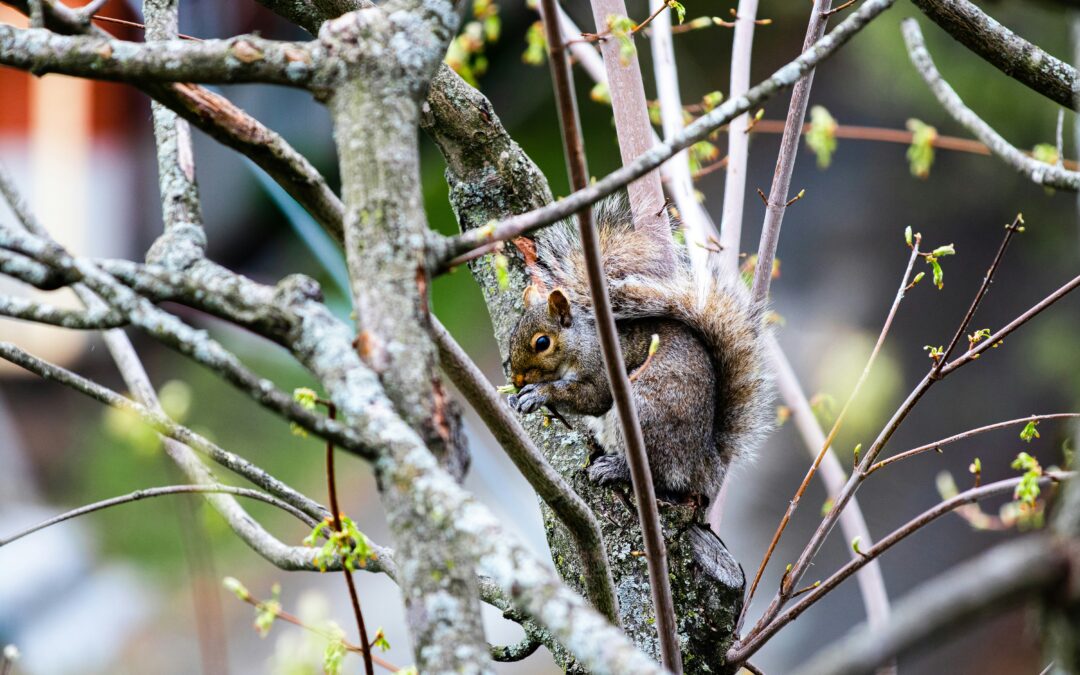
Squirrels are fascinating little creatures. They are playful, curious, and surprisingly picky when it comes to food. If you’ve ever tried to feed them or observed them raiding a bird feeder, you’ve probably wondered what exactly appeals to their taste buds. One question that has come up more than a few times among backyard wildlife enthusiasts is: do squirrels like canned chickpeas? In this post, we’ll dive deep into the answer, examine squirrel behavior, nutrition, potential risks, and even some tips for feeding them safely.
Let’s Understand Squirrels’ Diet
Before answering the main question, it helps to understand what squirrels normally eat. Squirrels are omnivorous rodents, meaning they eat both plant-based and some animal-based foods. Their natural diet is incredibly diverse and can include nuts, seeds, fruits, vegetables, fungi, insects, and occasionally small animals like birds or eggs.
In urban areas, squirrels often adapt to human food sources. They have been seen raiding trash bins, bird feeders, and even picking up discarded snacks in parks. Despite this adaptability, squirrels are naturally inclined toward foods rich in fats and proteins, which they need to store energy for colder months.
Canned chickpeas are plant-based, high in protein, and contain fiber. At first glance, this might seem like an appealing option for a squirrel, but there’s more to consider.
Do Squirrels Actually Eat Chickpeas?
Chickpeas, whether canned or cooked, are not a typical part of a wild squirrel’s diet. However, squirrels are curious and will try new foods if presented. From my own personal experience observing squirrels in my backyard, they often sniff, nibble, and inspect unfamiliar foods before deciding whether to eat them. Chickpeas fall into the “safe, edible curiosity” category.
A key point is that squirrels generally prefer foods that are high in fat and energy, like acorns, walnuts, and sunflower seeds. Chickpeas, although protein-rich, are low in fat, which might make them less appealing compared to their favorite snacks. That said, some squirrels do eat chickpeas, especially if they are hungry and other food sources are scarce.
Are Canned Chickpeas Safe for Squirrels?
Safety is critical. Canned chickpeas come pre-cooked and preserved, often with added salt or seasonings. These additives can be harmful to squirrels. Here’s what to consider:
1. Salt Content
Most canned foods contain some salt. Even small amounts can be dangerous for squirrels because their bodies are not adapted to process high sodium. Over time, feeding salty canned chickpeas could lead to dehydration, kidney problems, or other health issues.
2. Preservatives and Additives
Canned chickpeas often include preservatives to extend shelf life. These chemicals may upset a squirrel’s digestive system or interfere with natural nutrient absorption.
3. Plain vs. Flavored
If offering chickpeas to squirrels, always choose plain, unsalted chickpeas. Rinse them thoroughly to remove any residual salt or brine. This makes them much safer for consumption.
How to Offer Chickpeas to Squirrels
If deciding to experiment with canned chickpeas, it’s important to present them in a way that mimics natural feeding behavior:
1. Serve Them in Small Amounts
Squirrels can overeat if presented with too much food at once. Serve only a handful of chickpeas at a time to prevent digestive issues.
2. Mix with Familiar Foods
Squirrels are more likely to try chickpeas if they are mixed with nuts, seeds, or fruits that they already enjoy. This encourages curiosity without forcing them to eat something unfamiliar.
3. Scatter on the Ground
Scatter the chickpeas on the ground rather than placing them in bowls. This encourages foraging behavior, which is mentally stimulating and closer to their natural instincts.
Nutritional Benefits of Chickpeas for Squirrels
While not a staple, chickpeas offer some nutritional value:
- Protein: Supports muscle development and energy needs.
- Fiber: Aids digestion and helps maintain healthy gut bacteria.
- Minerals: Provides iron, magnesium, and zinc, which support overall health.
Despite these benefits, chickpeas should be considered a supplementary treat rather than a primary food source.
Potential Risks of Feeding Chickpeas to Squirrels
Even plain, unsalted chickpeas come with risks if overfed:
- Digestive Upset: Chickpeas are high in fiber, which can cause bloating or gas in squirrels if consumed in large quantities.
- Nutrient Imbalance: Relying on chickpeas could displace more suitable high-fat foods from their diet, causing energy deficits.
- Dependency on Human Food: Regular feeding of chickpeas may encourage squirrels to depend on human-provided foods rather than natural foraging, potentially impacting survival skills.
Observing Squirrels’ Response
Every squirrel reacts differently to new foods. From my own personal experience, some squirrels approach chickpeas with caution, sniffing and touching them before nibbling. Others show little interest, opting for higher-fat nuts instead. Patience is key: forcing or overfeeding can be counterproductive.
Alternatives to Chickpeas for Squirrels
If the goal is to provide a healthy and enjoyable treat, consider these options:
- Unsalted Nuts: Walnuts, pecans, almonds, and hazelnuts are favorites.
- Seeds: Sunflower seeds, pumpkin seeds, and pine nuts offer energy-rich nutrition.
- Fruits: Apples, pears, and berries provide natural sugars and vitamins.
- Vegetables: Carrots, peas, and corn can supplement their diet occasionally.
These options are closer to what squirrels would naturally consume and generally pose less risk than canned chickpeas.
Feeding Guidelines for Backyard Squirrels
For anyone considering feeding squirrels regularly, it’s important to follow ethical and practical guidelines:
1. Feed in Moderation
Too much human food can be harmful. Treats should make up no more than 10-15% of their diet.
2. Rotate Treats
Offer a variety of foods rather than sticking to one type, which ensures balanced nutrition.
3. Keep It Natural
Whenever possible, provide foods that mimic their natural diet. Nuts, seeds, and fresh produce are ideal.
4. Avoid Junk Food
Never offer sweets, processed snacks, or heavily salted foods. These can quickly damage their health.
Behavioral Insights: Why Squirrels Explore New Foods
Squirrels are naturally curious and learn through trial and error. Offering new foods like chickpeas can stimulate mental activity and provide enrichment. They often explore new food sources in the following ways:
- Sniffing and Pawing: Squirrels use their keen sense of smell to evaluate safety.
- Nibbling in Small Bites: They often try tiny portions before committing to eating more.
- Caching for Later: If they like it, squirrels may store chickpeas for later consumption, much like they do with nuts.
This behavior explains why some squirrels might occasionally enjoy chickpeas, even though they aren’t a natural preference.
Signs That Chickpeas Are Well-Tolerated
If introducing chickpeas to squirrels, watch for signs of tolerance or distress:
- Positive Signs: Eating without hesitation, storing for later, and normal activity levels.
- Warning Signs: Vomiting, diarrhea, lethargy, or refusal to eat other normal foods.
Immediate observation after introducing a new treat is important to ensure safety.
Long-Term Feeding Considerations
If considering long-term inclusion of chickpeas in a backyard feeding routine, it’s best to keep the following in mind:
- Chickpeas should remain an occasional treat, not a staple.
- Variety is essential for health and foraging enrichment.
- Maintaining access to natural food sources ensures that squirrels retain their natural skills and nutrition balance.
Environmental and Ethical Considerations
Feeding squirrels isn’t just about diet; it’s also about ethics and environmental impact. Overfeeding or improper feeding can:
- Attract large numbers of squirrels, creating overcrowding.
- Increase conflicts between wildlife and humans.
- Lead to dependency on human-provided food sources.
Moderation, variety, and respect for natural behaviors are key to responsible feeding.
Conclusion: Do Squirrels Like Canned Chickpeas?
To answer the question concisely: some squirrels may try canned chickpeas, but they generally prefer higher-fat and energy-rich foods. Chickpeas can be safe if plain and unsalted, but they should be offered sparingly and never replace natural foods. From my own personal experience, squirrels enjoy the occasional novelty, but their true favorites remain nuts, seeds, and fruits.
Offering chickpeas can be part of an enriching feeding experience, but only as a small component. Observing behavior, ensuring safety, and prioritizing natural diets will keep backyard squirrels healthy and active.
Feeding squirrels is both fun and educational. Seeing them explore new foods, solve small challenges to access food, and interact with the environment provides hours of entertainment while also offering insights into wildlife behavior. Chickpeas are an interesting experiment, but not a staple, squirrels are smart, cautious, and always selective, which makes them endlessly fascinating to watch.