
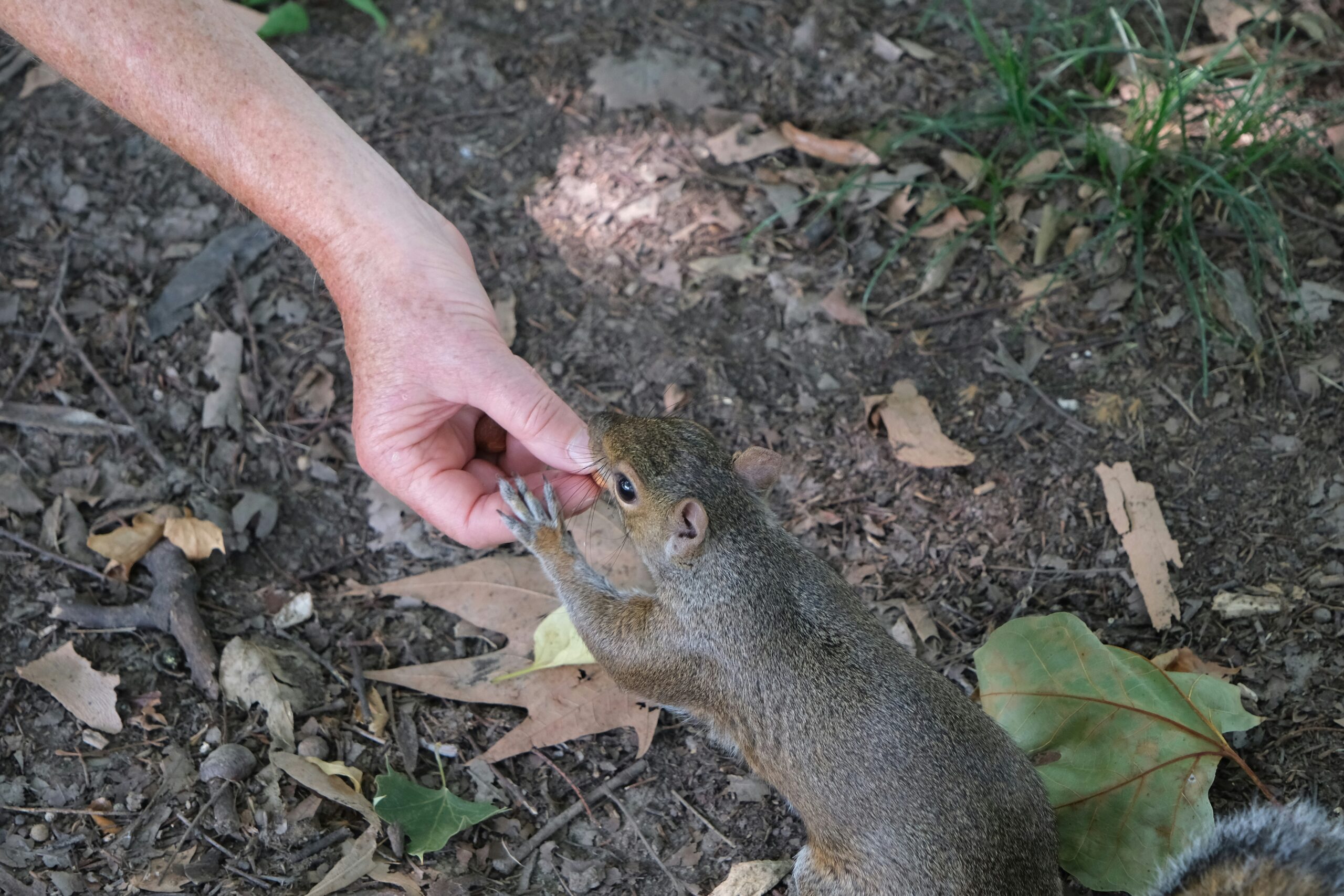
Squirrels are everywhere. From city parks to quiet forests, these little acrobats are constantly darting around, hopping from branch to branch, and sometimes even invading backyards. But if someone asks, “Are squirrels friendly?” the answer isn’t as simple as a yes or no. Squirrels are complex creatures with unique behaviors that can be charming, annoying, and surprisingly unpredictable. From my own personal experience, understanding squirrels requires more than just watching them, it takes observing their body language, habits, and interactions over time.
In this post, we’ll dive deep into squirrel behavior, explore how they interact with humans and other animals, and discuss the pros and cons of having them nearby. By the end, it will be easier to decide whether these furry creatures are your potential friends or just wild neighbors.
Let’s Understand Squirrel Behavior
Squirrels belong to the family Sciuridae, which includes tree squirrels, ground squirrels, and flying squirrels. The most common ones people encounter in urban or suburban areas are tree squirrels, specifically the eastern gray squirrel and the red squirrel.
Squirrels are naturally cautious animals. Their survival depends on quick reflexes and constant awareness of predators. When you see a squirrel freezing in place or suddenly darting away, it’s not being rude, it’s using its instinct to survive.
However, despite this natural wariness, squirrels can exhibit behaviors that seem friendly, especially when humans feed them or interact with them consistently. Some squirrels will approach humans in parks, take food from your hands, or even playfully chase one another nearby. But this “friendliness” is often motivated by food or curiosity rather than a genuine desire for companionship.
How Squirrels Interact With Humans
Squirrels in urban areas are known to be bolder than their forest counterparts. They quickly learn that humans often provide food, whether through bird feeders, picnics, or accidental crumbs left behind.
- Approaching Humans: Some squirrels will come surprisingly close when they sense food. In certain parks, they may even climb onto benches or crawl onto laps if they’ve been fed frequently. This behavior can seem friendly, but it’s important to remember that the squirrel’s motivation is survival, not affection.
- Hand Feeding: People often try to feed squirrels by hand. While some squirrels accept this gesture, it requires patience and consistency. You have to remain still, avoid sudden movements, and show the food without making threatening gestures. From my own personal experience, a squirrel once took a piece of walnut from my hand after days of leaving nuts near a park bench. The moment was thrilling, but I never tried to pick it up or touch it—it remained a wild animal despite the apparent trust.
- Recognizing Humans: Squirrels are intelligent enough to remember individuals. If someone regularly feeds them, they may approach more confidently. But this recognition is conditional. If they associate someone with a threat or a sudden loud movement, they will retreat immediately.
Are Squirrels Naturally Social?
Squirrels are social in certain contexts, but their definition of social is very different from ours.
- Tree Squirrels: These squirrels tend to be territorial. They may tolerate other squirrels nearby, especially in abundant food areas, but competition is frequent. Fights over nesting sites or food are common, and dominance hierarchies can develop.
- Ground Squirrels: Many species are more communal. They live in colonies and even warn each other of predators with chirps, barks, or tail signals.
- Flying Squirrels: Mostly nocturnal, they are social within their family groups and can often be seen nesting together in tree hollows.
In short, while squirrels are social with each other in some ways, they don’t have the same type of friendly interactions humans might expect. Their “friendliness” toward humans is largely opportunistic.
Signs a Squirrel Might Be “Friendly”
Determining whether a squirrel is friendly requires careful observation. Here are some common signs:
- Approaching Without Fear: If a squirrel comes close to you without freezing or running away, it has likely grown accustomed to humans.
- Taking Food From Your Hand: This is the clearest sign of trust, though it’s primarily food-motivated.
- Curious Behavior: Squirrels that peek around corners, follow footsteps, or inspect backpacks may seem playful or social.
- Playful Movements: Squirrels often chase each other, leap between branches, or perform acrobatics. If they include humans in their curiosity, it can appear as friendliness.
Despite these signs, it’s crucial to maintain caution. Squirrels have sharp teeth and strong claws. Attempting to touch them can result in scratches or bites, and feeding them inappropriate food can harm them.
Benefits of Having Squirrels Around
Believe it or not, squirrels offer several advantages to the environment and even to humans who enjoy wildlife observation.
- Seed Dispersal: Squirrels bury nuts and seeds, which contributes to forest regeneration. Some of these seeds grow into new trees, helping maintain healthy ecosystems.
- Pest Control: By eating insects, grubs, and fungi, squirrels can help control certain pest populations.
- Entertainment: Observing squirrels is fun and often amusing. Their acrobatic skills, curious nature, and occasional boldness can provide hours of enjoyment for park-goers and homeowners.
- Educational Value: Squirrels are excellent subjects for learning about animal behavior, intelligence, and survival instincts. Watching them closely can teach about patience, observation, and the complexity of nature.
The Downsides of Friendly Squirrels
While squirrels can seem charming, they also have a mischievous side.
- Property Damage: Squirrels chew on wood, wires, and insulation. In attics or basements, they can cause significant damage if they decide to nest.
- Food Theft: Bird feeders, gardens, and even outdoor pet food can fall victim to their persistence.
- Disease Transmission: Squirrels can carry parasites like ticks, fleas, and mites, as well as diseases such as leptospirosis or salmonella. While transmission to humans is rare, it’s a risk to consider.
- Aggression When Cornered: Even if a squirrel seems friendly, it can bite or scratch if threatened or mishandled. Respecting their space is essential.
Tips for Safely Interacting With Squirrels
If the goal is to observe or interact with squirrels safely, here are some guidelines:
- Observe From a Distance: Binoculars or a camera can provide a close look without disturbing them.
- Offer Appropriate Food: Nuts like walnuts, almonds, or hazelnuts (unsalted and unseasoned) are safe. Avoid bread, processed snacks, or sugary foods.
- Avoid Touching: Let squirrels take food from a designated spot instead of your hands if possible.
- Create a Squirrel-Friendly Environment: Planting trees and shrubs that provide food and shelter allows squirrels to thrive without becoming overly dependent on humans.
- Respect Their Wild Nature: Remember that squirrels are not domesticated pets. They thrive best when they remain wild and cautious.
Understand Squirrel Intelligence
Squirrels are remarkably intelligent. Studies have shown they can:
- Plan Ahead: Squirrels bury nuts in multiple locations to ensure a food supply during winter. Some of these caches are strategically placed to avoid theft by other animals.
- Problem Solve: Urban squirrels often navigate complex environments, such as dodging traffic, reaching bird feeders, or figuring out puzzles to access food.
- Recognize Individuals: They can remember other squirrels, humans, and potential threats.
- Communicate: Tail flicks, vocalizations, and body language allow squirrels to alert each other about predators, food sources, or threats.
This intelligence often makes their behavior appear “friendly” or intentional toward humans, though it’s usually based on curiosity or survival instincts.
Squirrels in Popular Culture
Squirrels have a long history in human culture, often depicted as playful, curious, and even clever characters. Think of famous squirrels in cartoons, books, and movies, they’re usually mischievous but lovable. This cultural lens may influence how humans perceive real squirrels. We often attribute human-like friendliness to their behavior, even when it’s purely instinctual.
Are Squirrels Pets?
Despite their apparent curiosity and boldness, squirrels are not suitable as pets. They have complex dietary needs, require lots of space, and have strong natural instincts that can lead to destructive behavior. In many places, keeping squirrels as pets is illegal due to wildlife protection laws.
Instead, consider them wild neighbors to admire and interact with safely. Providing a natural habitat and occasional food is enough to appreciate their presence without endangering either the squirrel or yourself.
Final Thoughts: Are Squirrels Truly Friendly?
So, are squirrels friendly? The answer depends on your definition of friendly.
- Squirrels are cautious by nature and will rarely approach humans without motivation, typically food.
- They are intelligent, curious, and capable of forming conditional trust with humans over time.
- Observing their behaviors can feel rewarding, and their playful antics often give the impression of friendliness.
From my own personal experience, squirrels are fascinating creatures. I’ve watched them for hours in urban parks, seeing some come close to take food while others darted away at the slightest movement. They can be bold, charming, and entertaining, but they remain wild animals at heart. Treating them with respect and understanding their natural instincts allows for a safe, enjoyable interaction while keeping both humans and squirrels unharmed.
Ultimately, squirrels may not be “friendly” in the same way a dog or cat is, but they are approachable, engaging, and capable of inspiring a deep appreciation for wildlife. Whether one views them as companions, nuisances, or a little of both, there’s no denying that squirrels add energy, character, and fun to any outdoor space.