
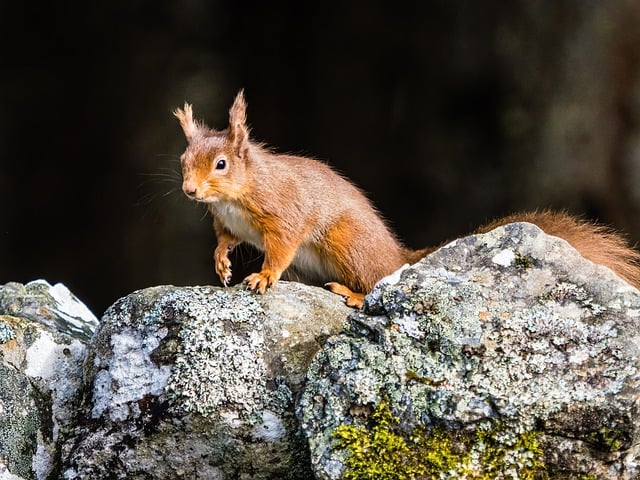
Squirrels are some of the most entertaining creatures to watch in gardens, parks, and backyards. Their quick movements, acrobatics, and cheek-stuffing antics make them fascinating to observe. But when it comes to their diet, many people wonder: do squirrels eat grubs? The short answer is yes, but their eating habits are more complex and interesting than most realize. From my own personal experience, squirrels have surprisingly diverse diets that go well beyond nuts and seeds, and grubs often play a role in their protein intake.
In this guide, we’ll explore everything about squirrels and grubs, including what squirrels eat, why they eat grubs, how grubs fit into their nutrition, and what this means for gardeners or wildlife enthusiasts. By the end of this post, you’ll have a clear understanding of this behavior, backed by detailed insights into squirrel biology and feeding habits.
Let’s Understand Squirrel Diets Here
Squirrels are omnivores, which means they eat both plant-based and animal-based foods. While many think of squirrels as strictly nut and seed lovers, their diet is more flexible. Squirrels consume:
- Nuts and seeds
- Fruits and vegetables
- Fungi and mushrooms
- Tree bark and shoots
- Insects, including grubs, caterpillars, and beetles
The inclusion of insects in their diet is sometimes surprising. For protein, squirrels often turn to small insects like grubs, especially when other food sources are scarce. Grubs are soft-bodied, nutrient-rich, and easy to digest, making them an attractive food source.
Seasonal Diet Changes
Squirrels do not eat the same foods all year. Their diet shifts according to availability.
Spring and Summer: During warmer months, squirrels have access to fresh fruits, flowers, insects, and bird eggs. Grubs are abundant at this time, making them an easy snack.
Fall: This is the classic nut-gathering season. Squirrels focus on storing nuts for the winter but may still consume grubs opportunistically.
Winter: Food is scarce, so squirrels rely heavily on stored nuts and seeds. Grubs are less accessible unless found under tree bark or soil, so their diet is mostly plant-based during these months.
Based on my overall experience observing squirrels in various environments, their adaptability in diet is remarkable. Grubs aren’t a daily staple, but they provide essential nutrients when available.
What Are Grubs?
Before diving deeper into squirrel behavior, it’s helpful to know what grubs are.
Grubs are the larval stage of certain insects, often beetles. They are usually soft, plump, and white or cream-colored, with distinct head capsules and legs (though some have reduced legs). Common types include:
- Japanese beetle grubs
- June beetle grubs
- Chafer beetle grubs
- Rose chafer grubs
Grubs live in soil, feeding on roots, decaying organic matter, and plant material. They can be found in lawns, gardens, and forested areas, often hiding underground during the day and feeding at night. For squirrels, these hidden larvae are a rich source of protein and fat, especially in spring and summer.
Why Squirrels Eat Grubs
Squirrels eat grubs for several reasons, mostly related to nutrition and opportunity.
Protein Source
Squirrels require more than just carbohydrates from nuts and seeds. Protein is vital for muscle development, reproduction, and overall health. Grubs are a natural protein source, and squirrels will dig them up when available.
Easy to Find and Digest
Grubs are soft and easy to consume. Unlike harder foods like acorns or pinecones, grubs don’t require much chewing. Squirrels often locate them by digging in soil, under rotting logs, or in garden beds. Their keen sense of smell helps detect grubs beneath the surface.
Opportunistic Feeding
Squirrels are opportunistic feeders. This means they will eat whatever is available and accessible. While grubs aren’t always a primary food source, squirrels take advantage of them when they appear in their territory. For example, if a gardener has a lawn infested with beetle larvae, squirrels may regularly dig for these grubs, reducing insect populations naturally.
How Squirrels Find Grubs
You might wonder how such small animals find grubs hidden underground. Squirrels have several strategies:
Keen Sense of Smell
Squirrels have an excellent sense of smell, which they use to locate buried nuts, seeds, and insects. Grubs often emit a faint odor due to decaying organic matter or their digestive processes, allowing squirrels to detect them.
Digging Behavior
Squirrels are natural diggers. They use their strong front claws to excavate soil, revealing grubs and other insects. In some cases, squirrels create noticeable holes in lawns or garden beds while foraging.
Observing Other Insects
Sometimes, squirrels watch for signs of insects on plant surfaces, like beetles or larvae on leaves. Once they spot potential grub activity, they dig carefully to access the food. This behavior shows problem-solving and opportunistic feeding instincts.
Do All Squirrel Species Eat Grubs?
Not all squirrels have the same diet. The tendency to eat grubs depends on species, habitat, and food availability.
- Gray Squirrels: Common in North America, these squirrels eat nuts, seeds, fruits, and occasionally grubs. They are the most likely backyard visitors to dig for insect larvae.
- Red Squirrels: Found in forested areas, they primarily eat conifer seeds but will consume insects and grubs when available.
- Fox Squirrels: Larger and more omnivorous, these squirrels may eat grubs, small insects, and bird eggs more frequently.
- Ground Squirrels: These species, often living in open areas, consume a variety of plant and animal foods, including grubs, roots, and small insects.
In general, squirrels in urban or suburban areas may rely more on nuts, bird feeders, and fruits, but they still opportunistically eat grubs.
Benefits of Squirrels Eating Grubs
Although some gardeners consider squirrels pests, their grub-eating habits can have benefits.
Natural Pest Control
Grubs are notorious for damaging lawns and gardens by feeding on roots. When squirrels consume grubs, they naturally reduce pest populations, preventing more extensive plant damage.
Balanced Squirrel Diet
Eating grubs ensures squirrels get protein and fat, which are critical for reproductive health and winter survival. A diet of only nuts and seeds could lack some essential nutrients.
Soil Aeration
Squirrel digging can help aerate the soil, improving water and nutrient penetration. While the holes may seem like a nuisance, they can actually benefit gardens in small doses.
How to Protect Grubs From Squirrels (If Needed)
While squirrels eating grubs can be beneficial in some cases, gardeners may want to protect specific larvae used for composting or educational purposes. Here are some tips:
Physical Barriers
Use wire mesh or netting to cover soil areas where grubs are intentionally cultivated. Squirrels cannot penetrate these barriers easily.
Repellents
Some gardeners use natural repellents like hot pepper sprays around soil to deter squirrels. These do not harm the animals but discourage digging.
Raised Beds
Grubs in raised beds with protected soil layers are less likely to be dug up. Elevated beds make it harder for squirrels to access larvae underground.
My Observations on Squirrels and Grubs
From my own personal experience observing backyard wildlife, squirrels are clever, opportunistic, and highly adaptable. Watching squirrels dig for grubs reveals a side of them many don’t consider. They are not mindless nut-hoarders—they actively seek protein, evaluate risk, and even sometimes share territory with other squirrels while foraging.
One summer, I noticed a gray squirrel repeatedly digging small holes in my garden lawn. Upon investigation, I realized the squirrel was hunting Japanese beetle grubs, which were damaging grass roots. Over time, the lawn health improved slightly thanks to these visits. This shows that squirrels eating grubs can be a win-win for gardeners, provided the digging isn’t too aggressive.
Signs That Squirrels Are Eating Grubs in Your Garden
Gardening enthusiasts often wonder how to tell if squirrels are eating grubs. Common signs include:
- Small pug-shaped holes in the soil
- Squirrels digging in lawns or flower beds more than usual
- Reduced grub populations in soil samples
- Squirrels observed pulling out white, soft larvae
These signs often indicate that squirrels are supplementing their diet with grubs rather than relying solely on nuts or fruits.
Ethical Considerations When Feeding Squirrels
If you are considering feeding squirrels or supplementing their diet, it’s essential to consider their natural habits. Grubs are part of their diet, but relying entirely on human-provided food can lead to dependency.
- Avoid overfeeding with nuts and seeds.
- Let squirrels forage naturally, allowing them to hunt grubs and insects.
- If supplementing in winter, provide appropriate foods like unsalted nuts or fruits.
Ethical feeding helps maintain natural behavior and ensures squirrels continue their ecological role, including consuming grubs.
Frequently Asked Questions About Squirrels and Grubs
Are Grubs Harmful to Squirrels?
No, grubs are safe for squirrels. They are high in protein and fat, and squirrels digest them easily. There are no known toxins in most common lawn grubs.
Do Squirrels Eat Grubs Year-Round?
Squirrels primarily eat grubs when they are available, mostly in spring and summer. During fall and winter, they rely more on stored nuts, seeds, and plant material.
Can Eating Grubs Replace Nuts in a Squirrel’s Diet?
Grubs supplement but do not replace nuts. Nuts provide essential fats and carbohydrates that grubs alone cannot supply. Squirrels need a balanced diet to thrive.
Are There Any Risks to Gardens From Squirrels Digging for Grubs?
Yes, squirrels can dig up lawns and flower beds while hunting for grubs. However, moderate digging can improve soil aeration and reduce pest populations.
Conclusion
So, do squirrels eat grubs? Absolutely. Grubs are an opportunistic and nutritious food source for squirrels, especially during seasons when protein is needed. Their diet is diverse, shifting with the availability of nuts, seeds, fruits, and insects. From my own personal experience, watching squirrels dig for grubs highlights their clever, adaptable, and resourceful nature.
For gardeners, squirrels eating grubs can be a mixed blessing, they may reduce pest populations but also dig up soil. Understanding this behavior helps balance wildlife enjoyment with garden care. Overall, squirrels’ consumption of grubs is a natural, beneficial part of their diet, showcasing their fascinating omnivorous habits.