
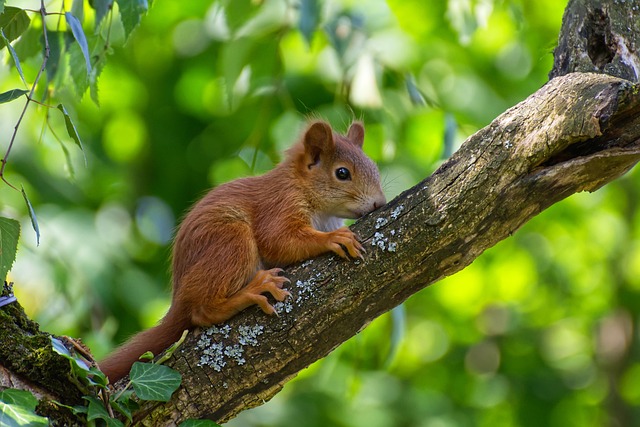
When it comes to nature, there’s always a mix of curiosity and confusion. One common question that often pops up is, “Do squirrels lay eggs?” From the moment these tiny, fluffy-tailed mammals dart across trees and scamper across yards, it’s easy to wonder how they reproduce and where they come from. Many people, especially those with limited exposure to wildlife, might imagine eggs being involved because of the small, quick movements or even the way baby squirrels look when first born. Let’s clear the air and dive deep into the fascinating world of squirrels.
Squirrels Are Mammals, Not Birds or Reptiles
The first thing to understand is that squirrels are mammals. Mammals have certain traits that make them unique: they give birth to live young, they feed their babies with milk, and they have hair or fur covering their bodies. Unlike birds or reptiles, which lay eggs, mammals reproduce differently. So right off the bat, the answer is no, squirrels do not lay eggs.
From my own personal experience observing wildlife, squirrels are fascinating because they share many traits with other mammals, yet their behavior can sometimes confuse people. Watching a mother squirrel with a litter of newborns, you’ll notice how she carefully tends to them in a nest, feeding them and keeping them warm, something no egg-laying animal does in the same way.
How Squirrels Reproduce
Squirrels reproduce through live birth. Female squirrels usually mate once or twice a year depending on the species and climate. Here’s how it generally works:
1. Mating Season
Most squirrels have a mating season that peaks in late winter and again in early summer. During this time, males actively search for females and compete for the opportunity to mate. The process is quite fast, often lasting only a few seconds, but it’s crucial for the survival of their species.
2. Pregnancy
After mating, the female squirrel becomes pregnant. The gestation period is typically 30 to 45 days, depending on the species. During this time, the female squirrel will prepare a safe nest, often referred to as a “drey.” A drey is usually a cozy structure made of twigs, leaves, moss, and other soft materials tucked high in tree branches.
3. Birth
Squirrels give birth to live young, not eggs. A typical litter can have anywhere from 2 to 8 babies, called “kittens.” These newborns are tiny, blind, and almost hairless, making them highly dependent on their mother. The mother’s care is critical in the first weeks of life, as the babies need warmth, milk, and protection from predators.
4. Raising the Young
Once born, baby squirrels rely entirely on their mother. She nurses them for 6 to 10 weeks, gradually introducing them to solid food as they grow. Eventually, the young squirrels venture out of the nest and start exploring on their own. By this point, they are agile and curious, showing the traits we all love in these little mammals.
Why Some People Think Squirrels Lay Eggs
It’s not uncommon for misconceptions to spread, especially when observing wildlife from a distance. Here are a few reasons some might wonder if squirrels lay eggs:
- Baby squirrels look fragile: Newborn squirrels are hairless and tiny, which can make them resemble hatchlings of some species.
- Nest habits: Squirrels build nests similar to birds, leading some to assume eggs might be involved.
- Popular myths: Social media, cartoons, and folklore sometimes depict squirrels in ways that are biologically inaccurate.
Understanding their true biology clears up these confusions. Squirrels’ behavior can be quirky and entertaining, but biology doesn’t lie, they are mammals, not egg-layers.
Different Types of Squirrels
Not all squirrels are the same. There are over 200 species worldwide, broadly categorized into three types: tree squirrels, ground squirrels, and flying squirrels. Regardless of the type, none of them lay eggs.
Tree Squirrels
Tree squirrels are the most familiar type, often seen in urban and suburban areas. They are excellent climbers and build nests in tree branches. These squirrels give birth to live young and spend a lot of time caring for them in their nests.
Ground Squirrels
Ground squirrels live in burrows underground. Despite living in a very different environment, they still reproduce like other mammals, giving birth to live babies rather than laying eggs.
Flying Squirrels
Flying squirrels glide from tree to tree using flaps of skin between their limbs. These nocturnal creatures are especially interesting, but their reproduction is no different, they have live young like other squirrels.
Interesting Facts About Squirrels’ Reproduction
Understanding how squirrels reproduce helps emphasize why they don’t lay eggs. Here are some engaging facts:
- Female squirrels can have multiple litters a year depending on the climate and food availability.
- Baby squirrels are born blind and deaf, relying entirely on their mother for survival.
- Squirrels’ teeth grow continuously, so they start nibbling on solid foods while still very young.
- A mother squirrel is fiercely protective of her young and can become aggressive toward predators.
- Squirrels can adapt their nesting habits based on weather conditions, sometimes sharing nests in winter for warmth.
These facts make it clear that the entire reproductive cycle is centered around live birth, care, and protection—behaviors that are inconsistent with egg-laying species.
Debunking Other Misconceptions
Besides the egg myth, there are other misconceptions about squirrels worth addressing:
- Squirrels hibernate like bears: Most squirrels do not hibernate. Tree squirrels store food and stay active during winter, while some ground squirrels hibernate partially.
- All squirrels eat nuts: While nuts are a favorite, squirrels are omnivores. They eat seeds, fruits, insects, and sometimes bird eggs.
- Squirrels are solitary: Many species are social during certain times, like mating season or winter huddling, but most spend a significant portion of time alone.
Understanding these behaviors makes squirrels even more fascinating without needing to imagine them as egg-layers.
Observing Squirrels Safely
For those interested in seeing squirrel reproduction firsthand, it’s essential to observe safely and ethically. Avoid touching nests or babies, as this can stress the animals or trigger maternal abandonment. Instead, watch from a distance and enjoy their playful antics in trees or parks.
From my own personal experience, spending time watching squirrels provides endless entertainment. Their speed, intelligence, and curiosity are remarkable, and seeing a mother care for her young in the nest is both heartwarming and educational.
Conclusion: Squirrels and Eggs
To answer the question once and for all: no, squirrels do not lay eggs. They are mammals, giving birth to live young and nurturing them with care and milk. The confusion likely comes from their delicate appearance as newborns and their nest-building behavior, which can resemble birds. Understanding the biology and behavior of squirrels helps appreciate them even more and debunks myths that have persisted for years.
Squirrels are one of nature’s cleverest and most adaptable mammals. They climb, leap, glide, and scurry through urban and wild landscapes. Their reproductive habits, while entirely mammalian, are fascinating in their own right. Observing them offers insight into the wonders of wildlife and the incredible diversity of life around us.
Next time curiosity strikes about squirrels or any animal, remember to explore, observe, and question, but always base conclusions on their biology rather than myths. These creatures are amazing just the way they are.