
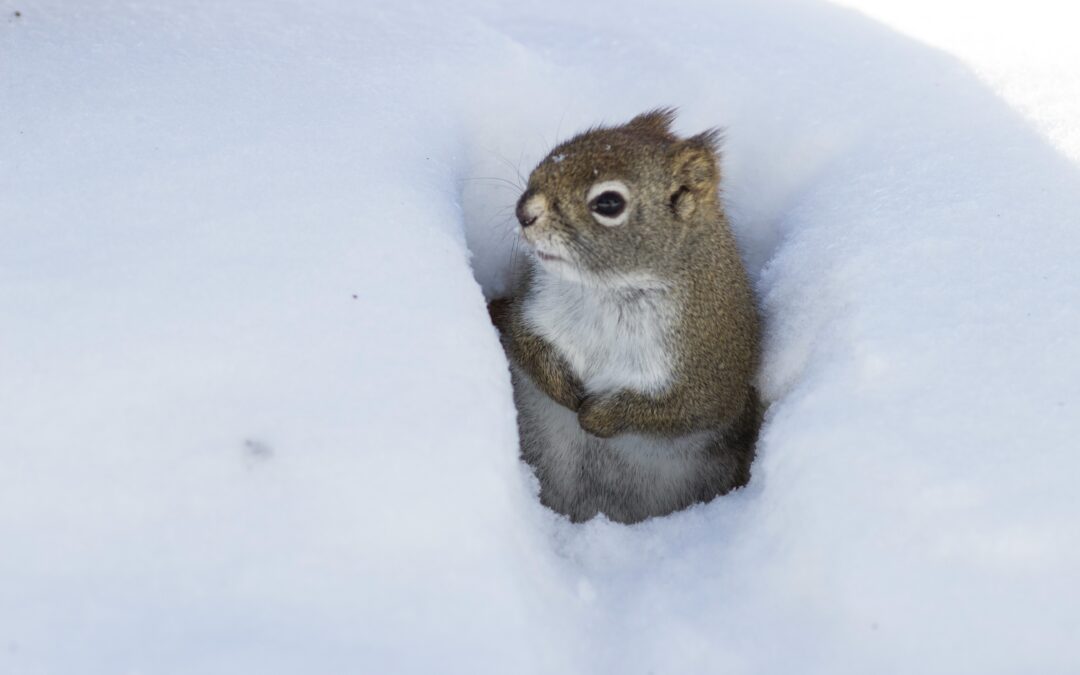
Squirrels are some of the most fascinating little creatures you see in your yard, in city parks, or racing across power lines. They always seem busy, always on the move, and always searching for something to eat. But while they look tough and adaptable, many people wonder what happens when the temperature drops. How cold is too cold for squirrels? Do they just keep darting around in the snow, or do they have limits like everyone else?
Watching squirrels during a snowy winter gave me a new respect for how resourceful they can be. But there are still certain conditions that test their survival skills, and knowing those details helps explain not only squirrel behavior but also the balance of nature itself.
Let’s jump into how squirrels manage the cold, how low is too low for their survival, and what you can learn about them during winter.
Squirrels and Their Natural Adaptations
Before thinking about what temperature is “too cold,” you have to understand how squirrels are built to handle winter. Their bodies are designed with certain adaptations that help them survive.
Squirrels grow a thicker coat of fur in the late fall. Their winter coat isn’t just fluffy for looks—it’s an insulating layer that traps heat. The bushy tail also plays a huge role. You might see squirrels wrap their tail around their body like a blanket when sitting still. This isn’t just cute behavior; it’s survival strategy. The tail helps reduce heat loss and protects them from icy winds.
Squirrels also rely on body fat to make it through the coldest months. During the fall, they eat nonstop, sometimes doubling their body weight. That fat stores energy and keeps them insulated, like a natural jacket.
But even with these advantages, there is still a point where the cold becomes too much.
The Temperature Threshold: When Does It Get Dangerous?
Most healthy adult squirrels can survive in temperatures well below freezing. Studies and wildlife observations suggest that squirrels can manage down to about -10°F (-23°C), but it starts becoming dangerous at those levels.
In general:
- Above freezing (32°F/0°C): Squirrels are still active. You’ll see them running around, digging for food, and climbing trees.
- Between 20°F and 0°F (-6°C to -18°C): Squirrels reduce their activity, spending more time in nests and conserving energy.
- Below 0°F (-18°C): This is when squirrels truly struggle. They risk frostbite and hypothermia, especially if food sources are low.
It’s important to note that young squirrels or those with injuries often can’t handle extreme cold as well as healthy adults.
Nests: The Winter Hideouts
One of the most interesting survival strategies squirrels use against the cold is their nest building. A squirrel nest is called a drey, and it’s more than just a bunch of sticks thrown together. In fact, dreys are built with careful layering. The outside is made of twigs and leaves, while the inside is lined with soft materials like moss, shredded bark, and even feathers.
In freezing conditions, squirrels often share nests with others. Multiple squirrels huddling together can double or triple the warmth inside a drey. Temperatures inside these nests can stay significantly warmer than the air outside, helping them survive nights that dip below zero.
Tree cavities also provide excellent shelter. A hollow tree offers insulation that a stick nest can’t match. Many squirrels prefer these natural shelters when available, especially during brutal winters.
Food: The Key to Staying Warm
Cold itself isn’t always the direct killer, it’s the lack of energy to withstand it. Squirrels prepare for this by stashing food all autumn. They bury nuts in hundreds of different spots, a behavior known as scatter-hoarding.
When it’s too cold to spend hours searching, squirrels rely on these stashes. Nuts, seeds, and acorns provide the fat and protein needed to generate heat. Without food reserves, squirrels risk starving before freezing temperatures even become the main issue.
From based on my overall experience of watching them in my yard, squirrels become more cautious in deep winter. They appear less playful and more focused on quick runs between shelter and food stashes. It’s like they know energy is a limited resource, and wasting it could cost them survival.
Do Squirrels Hibernate?
A common question is whether squirrels hibernate like bears. The answer is no, not in the way people imagine. Tree squirrels, like the gray squirrel or red squirrel, don’t go into deep hibernation. Instead, they practice what’s called torpor, which is like a light sleep.
During torpor, squirrels slow down their activity and reduce their metabolism, but they still wake up and move around on warmer days. Ground squirrels, however, are different. Species like the thirteen-lined ground squirrel can go into true hibernation, sleeping for months underground where the temperature is stable.
So when the weather turns bitterly cold, tree squirrels retreat to their nests for long stretches, but they don’t completely shut down like true hibernators.
Baby Squirrels and Cold Weather
Adult squirrels may have survival tricks, but baby squirrels are extremely vulnerable. Born hairless and blind, they depend completely on their mother. If a baby is exposed to cold temperatures before developing fur, it can die quickly. That’s why mothers build insulated nests in tree cavities or warm locations to protect their young.
Rescue centers often see orphaned baby squirrels after winter storms, since nests can get destroyed by heavy snow or wind. Without the protection of the mother, these little ones cannot survive extreme cold on their own.
Regional Differences: Not All Winters Are Equal
The survival of squirrels in cold weather depends on where they live. In places with mild winters, like southern states in the U.S., squirrels remain active almost year-round. In northern regions, like Canada or Scandinavia, squirrels have developed thicker fur, denser nests, and stronger fat reserves.
This shows that “too cold” is relative. A Florida squirrel may struggle at 25°F (-4°C), while a Minnesota squirrel shrugs it off until it hits -10°F (-23°C).
The Role of Predators in Cold Weather
Another layer of survival is predator pressure. In harsh winters, predators like hawks, owls, and foxes are also hungrier. Squirrels that are forced out of nests to find food in extreme cold risk not just freezing but also being caught.
This pressure adds to the difficulty of survival. Staying hidden in a nest during frigid conditions reduces predator risk but also limits food gathering. It’s a delicate balance between staying warm and staying fed.
Signs Squirrels Are Struggling
If you observe squirrels closely in winter, you can spot signs when the cold becomes too much for them. A squirrel that looks lethargic, slow, or unsteady may be suffering from hypothermia. A tail held tightly to the body with little movement is another clue.
Extreme cases can lead to frostbite on ears, paws, or tails. While squirrels are tough, they are not invincible against the coldest spells of winter.
Human Impact: Helping Squirrels in Winter
Some people like to support squirrels during cold snaps. While they are wild animals, there are small ways to make survival easier without interfering too much.
Providing food like unsalted nuts, seeds, or corn can give squirrels quick energy in freezing weather. Bird baths with heaters also help, since water is harder to find in winter. Nesting boxes can even serve as emergency shelters.
That said, squirrels have survived winters long before human help. Assistance is optional but can make a difference in unusually harsh conditions.
How Cold Is Too Cold: The Final Answer
So, how cold is too cold for squirrels? The tipping point usually comes when temperatures drop below 0°F (-18°C) for long stretches. At this level, even healthy adults face serious risks if food and shelter are scarce.
But squirrels are survivors. Their thick fur, fat storage, and clever nest-building let them endure winters that would challenge many animals their size. The real danger is not just the cold—it’s the combination of cold, lack of food, and exposure without shelter.
From my own personal experience, watching squirrels during a winter storm reminded me that survival isn’t just about toughness. It’s about preparation, timing, and knowing when to stay still and conserve energy.
Wrap-Up
Squirrels may look playful and carefree in warmer months, but winter tests their resilience. They don’t hibernate like bears, but they adapt with nests, food storage, and periods of torpor. For most squirrels, temperatures below freezing aren’t a big issue. The true danger zone begins when the thermometer dips below zero for days at a time.
So next time you spot a squirrel bounding across a snowy yard, you can appreciate the effort behind that little leap. That squirrel isn’t just chasing food, it’s carrying centuries of instinct and survival strategies against the cold.
Based on my overall experience of observing them, I’ve realized that squirrels are a reminder that even the smallest animals have a powerful will to live, no matter how harsh the winter may be.