
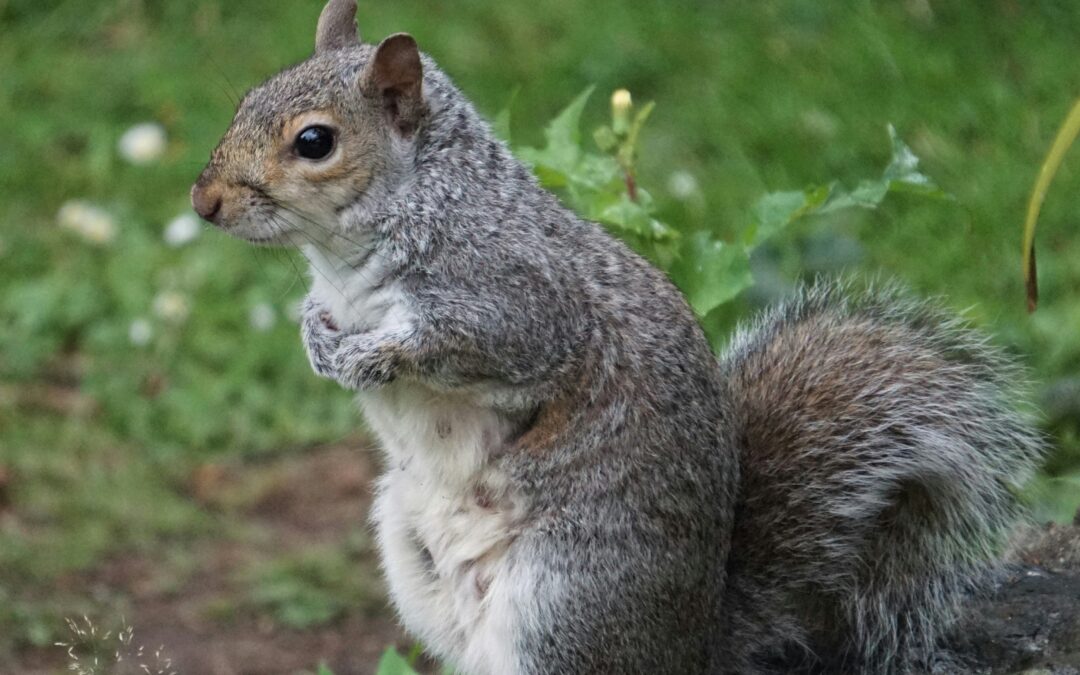
If you’ve ever been curious about how to tan a squirrel hide, you’re not alone. Many people enjoy learning how to process hides, whether for small crafts, wall displays, or simply as a way to preserve part of an animal they’ve hunted. Squirrels, in particular, are a great starting point because their hides are manageable in size, they’re readily available in hunting seasons, and they give you the chance to practice before trying larger animals.
From my own personal experience, tanning a squirrel hide teaches you patience and attention to detail. It’s not difficult once you understand the steps, but it does require time, care, and consistency. In this post, we’ll break down everything you need to know about tanning a squirrel hide, from skinning to finishing.
Why People Tan Squirrel Hides
Tanning a squirrel hide serves both practical and personal purposes. Some people use them for crafts, like trimming a knife sheath, lining small pouches, or even adding to rustic décor. Others simply tan them as a keepsake from a memorable hunt.
Squirrel hides are thin compared to larger animals, which makes them a good introduction to the process. They can teach you the fundamentals of skin preparation, fleshing, salting, and applying tanning solutions. Once you’ve done a few, you’ll have the confidence to move on to more challenging hides.
Tools and Materials You’ll Need
Before you start, gather your tools. Having the right supplies makes the process smoother and prevents mistakes.
You’ll need:
- A sharp knife or scalpel for skinning.
- A fleshing tool or spoon for scraping fat and tissue.
- Salt (non-iodized, fine grain).
- A tanning solution (you can use commercial tanning kits, or a homemade mixture like alum or a brain-tan solution).
- A board or frame for stretching.
- Gloves to protect your hands.
- A clean workspace and patience to see it through.
Step 1: Skinning the Squirrel
The first step is to skin the squirrel carefully. Since the hide is thin, it tears easily. Start at the back legs and work your way forward. Use short, precise cuts rather than long slices. Once you get the hide free from the body, gently pull and use the knife sparingly to separate it.
Some people prefer the “case skinning” method, where the hide comes off like a tube, while others make a cut along the belly. Both methods work, but case skinning is often easier to stretch and tan later.
Step 2: Fleshing the Hide
Once the hide is off, you’ll need to flesh it. Fleshing means scraping away any fat, meat, or connective tissue. Even small amounts left on the hide can cause it to rot instead of tanning properly.
Lay the hide flat, flesh side up, and use a dull knife, spoon, or fleshing tool to scrape it clean. Be gentle—squirrel hides are thin and prone to holes. Take your time until the hide looks smooth and free of tissue.
Step 3: Salting the Hide
After fleshing, salting preserves the hide and begins drawing out moisture. Cover the flesh side completely with non-iodized salt. Press it in well, making sure no part is missed. Leave the hide salted for at least 24 hours, then shake off the old salt and repeat with fresh salt.
This step helps prevent bacterial growth and preps the hide for tanning. Some people salt it for two or three days before moving on.
Step 4: Preparing the Tanning Solution
Here’s where you have options. You can use a commercial tanning kit, which is straightforward and reliable, or try a traditional method like alum tanning or brain tanning.
- Alum Tanning: Dissolve alum and salt in water, then soak the hide for several days. This method is simple and produces a soft, white leather.
- Brain Tanning: This uses the natural oils in animal brains to soften and tan hides. Every animal has enough brain matter to tan its own hide. This method requires working the hide extensively to keep it soft.
- Commercial Kits: These are convenient because they come with everything measured out and instructions included. They’re especially useful if you’re just starting.
Choose whichever method fits your interest and what’s available to you.
Step 5: Tanning the Hide
Once your solution is ready, submerge the hide flesh side down and leave it to soak. The time varies depending on your method:
- Alum tanning can take 3 to 7 days.
- Brain tanning usually takes several sessions of applying, working, and reapplying the solution.
- Commercial solutions vary, but most give results within a week.
Check the hide daily, making sure it’s fully covered and soaking evenly.
Step 6: Stretching and Drying
After tanning, the hide needs to be stretched and worked as it dries. This step gives it flexibility and prevents it from becoming stiff like rawhide.
Remove the hide from the solution, rinse it lightly in clean water, and then tack it onto a board or frame, flesh side up. As it dries, pull and stretch it in different directions. Work it over the edge of a board or roll it in your hands to keep the fibers from tightening up.
This step can take several hours or even days, depending on humidity. The more you work it, the softer it becomes.
Step 7: Finishing the Hide
Once the hide is dry and soft, you can finish it. Trim the edges if needed, and brush the fur to make it clean and smooth. If you want extra softness, you can rub a small amount of neat’s-foot oil or another leather conditioner into the flesh side.
At this point, your squirrel hide is ready for whatever project you have in mind.
Tips for Success
- Work slowly—rushing often leads to holes or stiff hides.
- Always use fresh salt and avoid iodized kinds, which don’t preserve well.
- Keep your workspace clean to prevent contamination.
- Practice on several hides; each one teaches you something new.
- Don’t skip stretching—this is what separates soft leather from stiff rawhide.
Common Mistakes and How to Avoid Them
Many beginners run into a few common issues:
- Holes in the Hide: Usually caused by scraping too hard during fleshing. Solution: use a duller tool and apply less pressure.
- Hide Turning Hard: This happens if you don’t stretch enough while drying. Solution: keep working it constantly as it dries.
- Rotten Smell: Caused by not salting properly or leaving tissue on the hide. Solution: always flesh thoroughly and salt generously.
How to Use a Tanned Squirrel Hide
Once your hide is finished, the possibilities open up. Some people use them as small wall displays or hunting trophies. Others turn them into trim for clothing, gloves, or hats. Small leathercraft projects like coin pouches or knife sheaths are also possible. Even if you just keep it as a learning project, it’s a satisfying accomplishment.
Based on my overall experience, the satisfaction of holding a hide you tanned yourself is hard to beat. It’s a skill that connects you to past generations who relied on tanning for survival and practicality.
The Value of Learning This Skill
Tanning a squirrel hide is more than just a project, it’s a way to slow down and work with your hands. It teaches you respect for the animal, patience in the process, and pride in the result. Once you’ve mastered squirrels, you may feel ready to try raccoons, rabbits, or even deer.
Wrapping It Up
So, how do you tan a squirrel hide? You start by skinning, fleshing, and salting. Then you choose your tanning method, soak the hide, stretch it as it dries, and finish it with care. The process requires attention, but it’s completely doable for beginners.
From my own personal experience, tanning hides becomes addictive after you’ve done it once or twice. Each hide feels like a project with its own story, and the results remind you that patience pays off. If you’ve been thinking about trying it, grab a squirrel hide and start, you’ll surprise yourself with what you can create.