
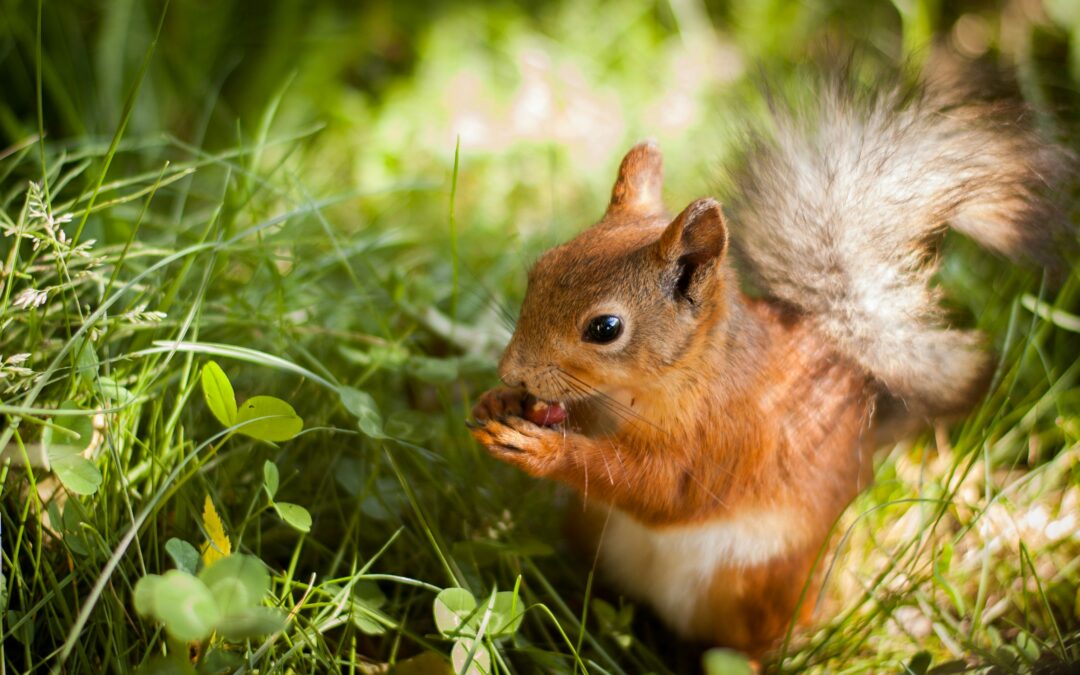
Squirrels are some of the most recognizable small mammals in parks, forests, and even cities. These agile creatures with bushy tails and quick movements are not just fun to watch, they play an important role in the ecosystem. But many wonder, how long do squirrels actually live? The answer isn’t as simple as a single number because it depends on the species, their environment, and their exposure to predators or human hazards. Let’s jump into the details and explore everything about the lifespan of squirrels.
Types of Squirrels and Their Lifespans
Squirrels belong to the family Sciuridae, and this includes tree squirrels, ground squirrels, and flying squirrels. Each type has a different lifestyle, which affects how long they live.
Tree Squirrels
Tree squirrels are probably the most familiar. Species like the Eastern Gray Squirrel, Fox Squirrel, and Red Squirrel fall into this category.
Eastern Gray Squirrel: These are the gray ones commonly seen in North America. In the wild, they usually live 6 to 12 years, but most often, they live closer to 6 years due to predators, cars, and disease. In captivity, with controlled food and no predators, they can live up to 20 years.
Fox Squirrel: Fox squirrels are slightly larger and more robust. They tend to live 8 to 18 years in captivity and 6 to 12 years in the wild.
Red Squirrel: Smaller and more energetic, red squirrels generally live 5 to 8 years in the wild. Predators and harsh winters often reduce their lifespan.
Ground Squirrels
Ground squirrels, such as the California Ground Squirrel or the European Ground Squirrel, spend most of their lives burrowing underground.
Typical Lifespan: 3 to 6 years in the wild. These squirrels face threats from predators like hawks, foxes, and snakes.
Captivity Lifespan: Some ground squirrels have lived over 10 years in protected environments.
Flying Squirrels
Flying squirrels are nocturnal and glide from tree to tree using a special membrane called a patagium. They are generally small and secretive.
Wild Lifespan: Around 5 to 6 years. Their nocturnal nature helps them avoid some predators, but they still face risks.
Captivity Lifespan: Can reach up to 13 years with proper care.
Factors That Affect Squirrel Lifespan
Squirrel lifespans vary widely depending on several key factors. Understanding these factors can explain why some squirrels live long lives while others have very short ones.
Predators
Predators are a major cause of death for wild squirrels. Hawks, owls, snakes, foxes, and domestic cats all pose threats. In urban areas, cars and human interference also contribute significantly. Based on my overall experience watching squirrels in suburban neighborhoods, predation accounts for more deaths than disease.
Disease and Parasites
Squirrels are susceptible to illnesses and parasites. Common ailments include:
Squirrel Pox Virus: Primarily affects red squirrels in the UK and Ireland, often fatal.
Internal Parasites: Worms and mites can weaken squirrels and shorten their life.
Respiratory Infections: Can spread quickly in areas with dense squirrel populations.
Environment
Where squirrels live makes a huge difference.
Urban vs. Rural: Urban squirrels often have abundant food from humans but face dangers like traffic. Rural squirrels might have fewer food sources but fewer direct human threats.
Climate: Harsh winters can reduce survival rates, especially for species that don’t store enough food or cannot find shelter.
Nutrition
Squirrels are omnivorous but rely heavily on nuts, seeds, and fruits. Inconsistent food sources can weaken them over time. From my own personal experience, squirrels with access to a steady supply of high-calorie foods, like acorns and nuts, appear more robust and active in colder months.
Genetic Factors
Just like humans, genetics plays a role. Some squirrels are naturally more resilient, while others may be prone to disease or stress-related issues. This is less obvious in wild populations but shows in longevity studies in captivity.
Differences Between Wild and Captive Lifespans
One of the most dramatic differences in lifespan occurs between wild and captive squirrels.
Wild Squirrels: Face constant threats. Most die within the first year of life due to predation, starvation, or harsh conditions. Those that survive may live 6 to 12 years depending on species.
Captive Squirrels: Enjoy constant food, medical care, and protection from predators. This can more than double their lifespan in some cases.
For example, an Eastern Gray Squirrel living in a backyard with supplemental food, shelter, and no predators may reach 15 to 20 years, which is rare in nature.
Signs of Aging in Squirrels
Squirrels, like humans, show signs of aging as they grow older. Some signs include:
- Slower Movements: Older squirrels may not jump as far or climb as quickly.
- Thinner Fur: Their once bushy tails might become patchy or grayer.
- Decreased Activity: Older squirrels spend more time resting and less time foraging.
- Dental Wear: Teeth grow continuously, but older squirrels may have worn or broken teeth, affecting their ability to eat hard nuts.
Recognizing these signs is important for anyone observing squirrels in parks or keeping them in captivity.
Squirrel Reproduction and Lifespan
Reproduction plays a role in population dynamics but also affects individual lifespan.
- Most squirrels reach sexual maturity at around 10 to 12 months.
- Tree squirrels usually have two breeding seasons per year, while ground squirrels often have one.
- High reproduction rates help offset high mortality in the wild, but frequent pregnancies can stress females and shorten their lifespan slightly.
Interestingly, squirrels that survive their first year are much more likely to reach their maximum potential lifespan. This is often called the “survivor effect” in wildlife biology.
Unique Lifespan Facts
Here are some lesser-known facts about squirrels and their lifespans:
Seasonal Behavior Matters: Some squirrels, like ground squirrels, hibernate during winter. This period of inactivity slows their metabolism, effectively extending their life.
Urban Squirrels Can Be Healthier in Some Ways: While dangers like traffic exist, urban squirrels often have access to bird feeders and leftover human food, which may help them survive winters more easily.
Flying Squirrels Live Longer Than Expected: Despite being small and nocturnal, flying squirrels’ secretive lifestyle can reduce predation risk and allow them to live slightly longer than some tree squirrels.
How to Support Squirrel Lifespan in Your Area
Whether a backyard, park, or urban street, there are ways to help squirrels live longer and healthier lives without causing harm:
Provide Natural Food Sources: Plant trees like oaks, hickories, and maples for nuts. Avoid overfeeding processed human food.
Offer Shelter: Install squirrel houses or leave safe tree cavities intact.
Protect from Predators: While predators are part of nature, keeping domestic cats indoors during peak squirrel activity can help.
Avoid Poisons and Traps: Chemicals designed to eliminate rodents can also harm squirrels.
From my own personal experience, providing natural food and shelter can encourage squirrels to stay in your area longer, giving a rare opportunity to observe their full lifespan.
Conclusion
Squirrels are fascinating animals with lifespans that depend heavily on species, environment, and human interaction. Tree squirrels like Eastern Gray Squirrels may live up to 12 years in the wild but can double that in captivity. Ground squirrels tend to have shorter lifespans, while flying squirrels enjoy a slightly longer life due to their secretive lifestyle.
Understanding the factors that affect their lifespan, from predators to nutrition, helps anyone interested in wildlife conservation, backyard observation, or even keeping squirrels in captivity. While life in the wild is often short and unpredictable, careful observation and a bit of help can allow squirrels to live longer, healthier lives.
Next time a bushy-tailed friend scurries across the park, remember that its life may be fleeting, but every year, month, and day matters. From my own personal experience, watching squirrels grow, survive, and even thrive gives a unique glimpse into the resilience and adaptability of nature.