
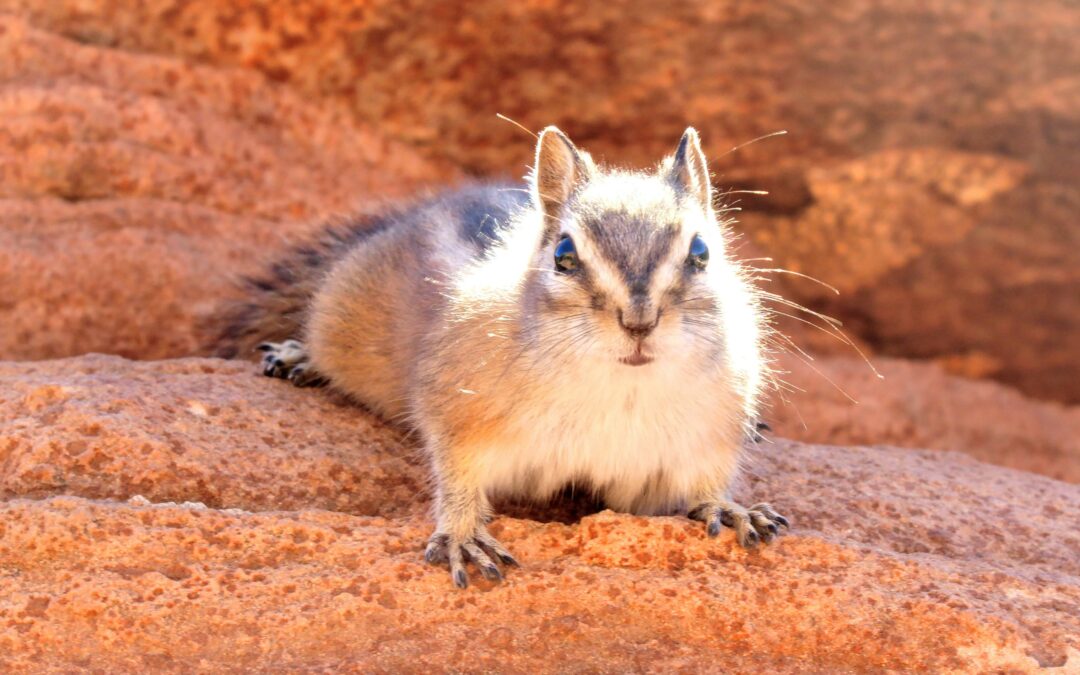
If you ever spend time around squirrels, whether as a wildlife lover, a backyard feeder, or even someone raising an orphaned baby squirrel, you may have noticed something that looks unusual with their tails. Sometimes the tail appears thin, patchy, or almost bare in spots. Other times, the fur looks clumped, rough, or unhealthy. People often call this “squirrel tail” as a short way to describe problems like fur loss, mange, fungal infections, or damage caused by poor nutrition.
From my own personal experience, seeing a squirrel with a rough or bald tail can feel worrying. The tail is not only a cute feature but also a vital part of how squirrels keep balance, stay warm, and communicate with each other. A damaged tail signals that something deeper may be affecting the squirrel’s health.
In this guide, I’ll break down everything you need to know about squirrel tail problems, what causes them, and how to help cure or improve the condition. Whether you care for wild squirrels that visit your yard or raise one under special rehabilitation circumstances, this detailed post will give you practical ideas and clear explanations.
Why the Squirrel’s Tail Matters
The tail of a squirrel is more than decoration. It acts as:
- A balance tool – Squirrels leap from branch to branch. Their tails help stabilize their bodies mid-air, like a tightrope walker’s pole.
- A warm blanket – In cold weather, squirrels wrap their tails around themselves to preserve body heat.
- A signal system – Squirrels flick or wave their tails to warn others of danger or express agitation.
- A shade cover – In hot weather, the tail shields them from sun and helps regulate temperature.
Because the tail does so much, any issue that causes fur loss or damage can affect the squirrel’s survival and quality of life.
Common Causes of Squirrel Tail Problems
Understanding why the tail looks unhealthy is the first step to curing it. These are the most common reasons:
Mange
Mange is a skin condition caused by tiny mites. These parasites burrow into the skin, leading to itching, scabbing, and fur loss. Mange often starts on the tail before spreading across the body. It is one of the most frequent reasons squirrels lose tail fur.
Fungal Infections
Ringworm, despite its name, is a fungal infection. It creates circular patches of fur loss that can appear on the tail. Fungal growth can thrive in damp environments and spread quickly between animals.
Malnutrition
If a squirrel does not get enough protein, vitamins, and minerals, its coat can look thin, brittle, and patchy. A poor diet directly affects fur growth and the strength of the skin underneath.
Injuries
Sometimes tails break, get caught, or suffer frostbite in colder regions. Injuries may cause parts of the tail to lose circulation, fur, or even drop off completely.
Fleas and Lice
External parasites such as fleas and lice can irritate the skin, making squirrels scratch their tails until the fur wears away.
Seasonal Shedding
Squirrels shed their fur naturally once or twice a year. During this period, the tail may look scruffy but will usually regrow normally.
Signs That a Squirrel Has Tail Problems
You can often spot squirrel tail problems with careful observation. Watch for these signs:
- Bald patches forming on the tail.
- Scabs or sores around the base of the tail.
- Thin, wispy fur that looks unhealthy.
- Constant scratching or biting of the tail.
- A rough or broken tail shape.
Seeing one or two of these signs may not mean serious illness, but noticing several together usually points to mange, fungal infection, or malnutrition.
How to Cure Squirrel Tail
Curing squirrel tail is not about one single method. It depends on the cause. Let’s look at each cause and how you can address it.
1. Curing Mange in Squirrels
Mange is tough but treatable. Wildlife rehabilitators often use safe doses of ivermectin, a medicine that kills mites. However, this should only be done by licensed rehabbers because dosage is critical.
For people caring for wild squirrels in their yard, indirect support is safer. You can provide high-quality food sources rich in protein and healthy fats to help the squirrel’s body fight the infestation naturally. Some rehabbers suggest using garlic or apple cider vinegar diluted in water sprayed around feeding stations to repel mites, though results vary.
From my own personal experience, nutrition makes a noticeable difference. When I started offering nuts in shells, sunflower seeds, and fresh vegetables, the squirrels in my area looked healthier, and those with patchy tails gradually regrew fur.
2. Treating Fungal Infections
If the tail loss is due to ringworm or another fungus, antifungal treatments are required. In captivity, topical creams or oral antifungals may be used, but again these should be applied under professional supervision.
For squirrels you simply observe in the wild, the best step is to strengthen their immune systems through natural foods. Fungal infections often worsen in stressed or malnourished squirrels, so reducing stress and improving diet can help recovery.
3. Improving Nutrition
Malnutrition plays a huge role in squirrel tail problems. Wild squirrels sometimes depend on human food like bread or crackers, which lack the nutrients they need. This weakens their fur quality.
If you want to cure squirrel tail through diet:
- Offer walnuts, pecans, hazelnuts, and acorns.
- Add vegetables such as broccoli, kale, and carrots.
- Provide small amounts of fruit like apple slices or berries.
- Avoid feeding too much corn or peanuts, as they can create imbalance in calcium and phosphorus.
Good nutrition not only supports fur growth but also boosts immunity against mites, fleas, and fungi.
4. Handling Injuries
When the tail is injured, curing depends on the severity. Sometimes fur will not regrow if part of the tail is lost. However, squirrels adapt well. If you see an injured squirrel in the wild, it is usually best to let it heal naturally unless the injury looks life-threatening.
In rehabilitation settings, vets may trim damaged fur or clean wounds. But in most cases, rest and natural healing are enough.
5. Managing Fleas and Lice
Fleas and lice can make tails look patchy. Dust baths with natural soil or sand sometimes help wild squirrels reduce parasite load. Birds do this often, and squirrels occasionally copy the behavior.
In captivity, rehabbers may use flea combs or safe treatments designed for small animals. Again, exact medication should always be applied with care.
6. Allowing for Seasonal Shedding
Sometimes there is no need to cure squirrel tail because the loss is natural shedding. If the squirrel looks otherwise active and healthy, the tail fur will return on its own after the shedding cycle ends.
Home and Yard Care for Healthier Squirrel Tails
If you are not a wildlife rehabilitator but want to help wild squirrels around your home, these steps can make a big difference:
- Provide safe, clean feeding areas so squirrels are not eating from moldy piles of food.
- Plant natural food sources like oak trees, berry bushes, or nut trees to give them balanced diets.
- Avoid overfeeding processed food that causes nutritional gaps.
- Offer fresh water sources so squirrels stay hydrated.
- Keep yard chemicals low since pesticides can harm skin and fur quality.
These small steps create a supportive environment where squirrels naturally heal.
Long-Term Outlook for Squirrels With Tail Issues
The good news is that many squirrels recover from tail problems once the root cause is addressed. Mange can clear, fungal infections can heal, and good diets can restore fur. Even if a tail never regrows fully, squirrels adapt. They may lose some balance but usually survive and thrive.
The main risk is when mange spreads unchecked or when malnutrition makes the immune system too weak. In these cases, professional wildlife rehab is the best solution.
Personal Reflection
Based on my overall experience, squirrel tail problems often look worse than they are. A squirrel with half a tail of fur missing can still run, jump, and climb perfectly well. What matters most is whether the squirrel keeps energy levels up, eats properly, and avoids further infection.
Sometimes people feel guilty or helpless when they see a wild squirrel with a poor-looking tail. But small acts, like providing proper food and avoiding harmful human snacks, can be part of the cure.
Conclusion
Squirrel tail problems can come from mange, fungal infections, malnutrition, injuries, parasites, or natural shedding. While the sight of fur loss or rough tails may raise concern, many squirrels recover with time, better diet, and in some cases, treatment from wildlife professionals.
From my own personal experience, I’ve learned that patience and proper nutrition are often the greatest cures. Wild squirrels may not always look perfect, but with support, they can heal and live full lives.
If you notice squirrels with tail issues near you, focus on creating a healthy environment and offering good food. That small effort might be the key to curing squirrel tail naturally.