
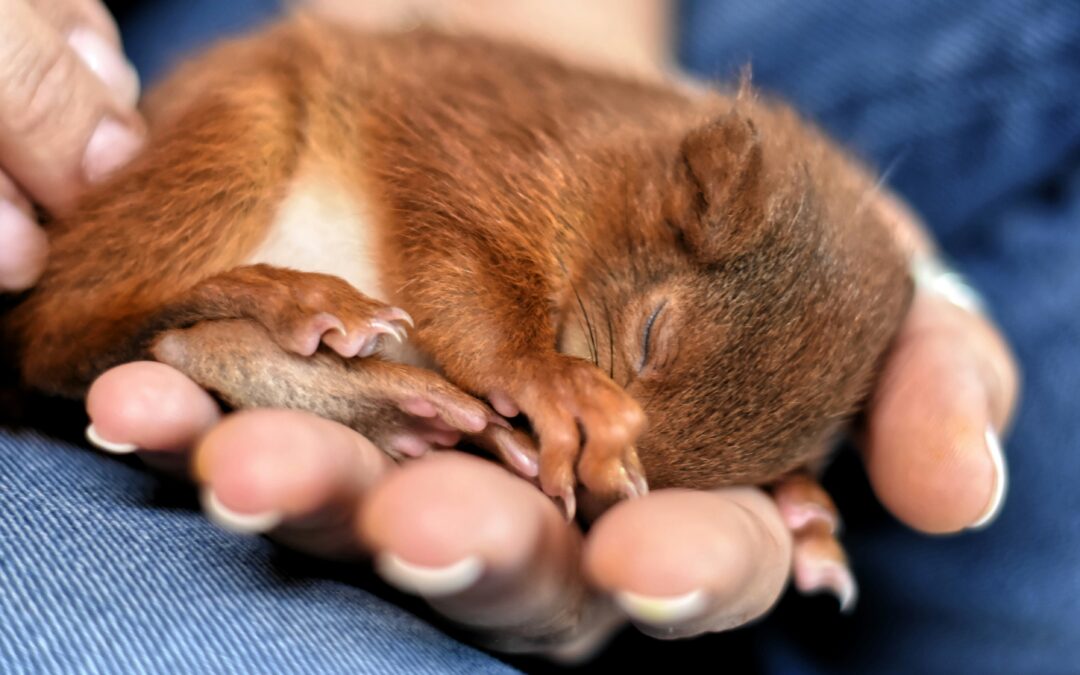
Finding a baby squirrel alone on the ground can be both surprising and overwhelming. They look so small, fragile, and helpless that the first instinct is often to scoop them up and rush into action. But before doing anything, it’s important to understand what baby squirrels need, how fragile they are, and how much responsibility caring for them actually involves. Caring for a baby squirrel is both rewarding and challenging, and it requires patience, attention, and the right approach to ensure the little creature survives and thrives.
Caring for a baby squirrel isn’t like caring for a kitten or puppy. They have unique needs, different feeding schedules, and specific developmental milestones that determine what they eat and how they grow. In this guide, I’ll walk you through every step, right from identifying whether a baby squirrel actually needs your help to feeding, housing, and eventually preparing it for independence.
How to Know If a Baby Squirrel Needs Help
Many people make the mistake of assuming that every baby squirrel found on the ground is orphaned. In reality, sometimes the mother is nearby, and she may be in the process of moving her babies to a new nest. Before stepping in, it’s important to watch and wait for a little while.
If the baby looks warm, active, and is crying, the mother may return. Squirrels are attentive parents, and if the mother is alive and healthy, she will usually come back. However, if several hours pass with no sign of her, or if the baby appears weak, cold, or injured, then human help may be necessary.
The key signs a baby squirrel truly needs care are:
- It feels cold to the touch.
- Its fur is sparse or absent, showing it is very young.
- It is dehydrated or has wrinkled skin.
- It is crawling around alone with no nest in sight.
Understanding this first step helps prevent unnecessary intervention while still ensuring the baby survives if the mother doesn’t return.
First Steps: Warming and Hydrating
The very first thing you should do when you’re sure the baby squirrel is orphaned is to get it warm. Baby squirrels cannot regulate their body temperature, especially if they are under five weeks old. A warm towel, a heating pad set on low, or even a small box lined with soft cloth can help stabilize their temperature.
Never attempt to feed a baby squirrel until it is warmed up. Feeding while the baby is cold can cause serious digestive problems, which can even be fatal. Once it is warm, hydration is the next step. Most baby squirrels that are rescued are dehydrated, and rehydrating them safely is critical.
A homemade rehydration solution can be made by mixing clean water with a pinch of salt and sugar. However, specialized electrolyte solutions like Pedialyte are ideal if available. Using a small syringe or dropper, you can gently give the baby a few drops at a time. It’s important to go slowly, as baby squirrels can easily aspirate liquid into their lungs if fed too quickly.
Understand the Age of the Baby Squirrel
Before you can move on to feeding and long-term care, you need to have an idea of how old the baby is. The age determines what type of food they need and how often they should be fed.
- Newborn to 2 weeks: Hairless or with very fine fur, eyes closed. They need warmth, frequent feeding, and round-the-clock attention.
- 3 to 5 weeks: Fur begins to cover the body, eyes may start opening around week 4. They still need formula but less frequently than newborns.
- 6 to 8 weeks: Fully furred, active, and alert. They begin nibbling on solid foods while still needing formula.
- 8 weeks and older: They become more independent, relying on solid foods while gradually weaning off formula.
Knowing the baby’s stage of development is essential for providing the right care at the right time.
How to Feed the Baby Squirrel
Feeding is the part most people find both rewarding and stressful. Unlike kittens, squirrels cannot be given cow’s milk or common pet formula. These are not suitable and can harm their digestive systems.
Specialized puppy milk replacers are usually the closest safe option, but many wildlife rehabilitators recommend specific squirrel formulas. These formulas are designed to mimic the nutrients found in a mother squirrel’s milk.
The feeding schedule depends on the age:
- Newborns need to be fed every 2 to 3 hours, even at night.
- At 3 to 5 weeks, feedings can be spaced every 3 to 4 hours.
- At 6 to 7 weeks, they can manage longer breaks and start trying solids.
Always use a syringe with a small nipple attachment for feeding. Hold the baby upright or angled slightly forward to reduce the risk of aspiration. Feed slowly and patiently, as rushing can cause choking.
From my own personal experience, one of the trickiest parts is resisting the urge to overfeed. Baby squirrels will often keep drinking even when they’re full, so it’s up to you to monitor how much they get. Sticking to the recommended amounts helps prevent bloating and diarrhea.
Introduce Solid Foods
As baby squirrels grow, their diet begins to shift. Around 6 weeks of age, they can start exploring small pieces of solid food. Natural foods such as unsalted nuts, seeds, apple slices, grapes, or leafy greens work well.
At this stage, they may play with food more than they eat it, but that’s part of the learning process. Providing a small dish with fresh options allows them to explore textures and flavors. It’s also important to keep offering formula until at least 8 to 10 weeks, as solid food alone cannot yet meet all their nutritional needs.
Encouraging natural foods rather than processed ones helps prepare them for eventual release. Junk food or sugary snacks should be avoided completely, as they can harm the baby’s development.
Housing a Baby Squirrel
The housing you provide plays a big role in the baby’s survival and comfort. A simple box lined with fleece or soft cloth works well in the beginning. Never use towels with loose threads, as tiny claws can get caught and cause injury.
As the squirrel grows and becomes more active, you can move it to a larger enclosure. A tall cage with climbing opportunities helps it develop strength and coordination. Branches, safe toys, and small platforms mimic natural conditions and prepare the squirrel for outdoor life.
Cleanliness is equally important. Bedding should be changed regularly to prevent odors and bacteria. Since baby squirrels cannot urinate or defecate on their own at first, you also need to stimulate them by gently rubbing a damp cotton ball on their lower abdomen after each feeding. This mimics the care their mother would provide.
Socialization and Handling
Baby squirrels can easily become attached to humans if handled too often. While it may feel sweet to bond with them, too much human interaction can make them less likely to survive in the wild. The goal should always be to raise them for eventual release, not as pets.
Limit handling to essential care tasks such as feeding, cleaning, and checking their health. As they grow older, give them space to climb, play, and explore without too much interference.
Prepare for Release
One of the most important parts of caring for a baby squirrel is preparing it for the wild. Squirrels need to be self-sufficient before release, which usually happens around 12 to 14 weeks of age.
Signs a squirrel is ready for release include:
- Eating solid food confidently without formula.
- Climbing and jumping with strength.
- Showing alertness and natural caution toward humans and predators.
A soft-release method works best. This means placing the squirrel in a safe outdoor enclosure for a few days, where it can get used to natural sights, sounds, and smells. Once it shows confidence, the enclosure can be opened, giving the squirrel the freedom to leave while still allowing it to return for food if needed during the first few days.
Common Mistakes to Avoid
Caring for a baby squirrel is filled with learning moments, but avoiding common mistakes can make a big difference:
- Feeding cow’s milk or unsuitable formulas.
- Trying to raise the baby without first ensuring the mother is truly absent.
- Overhandling and making the squirrel too tame.
- Skipping hydration and jumping straight to feeding.
- Releasing too early before the squirrel is strong enough.
Avoiding these mistakes increases the squirrel’s chance of survival and ensures it grows up healthy.
Conclusion
Raising a baby squirrel is a serious responsibility, but it can also be one of the most rewarding experiences. You’re not just caring for a fragile animal; you’re helping it survive and eventually return to its natural environment. With the right balance of warmth, nutrition, housing, and gradual independence, a baby squirrel can grow into a strong adult capable of thriving on its own.
From my own personal experience, the key to success lies in patience and consistency. Every small step, from warming the baby to introducing natural foods, shapes its future. While it can be tempting to keep a squirrel as a pet, the real joy comes from watching it climb, forage, and live freely in the wild where it belongs.
If you ever come across a baby squirrel, now you know what to do, how to help, and how to give it the best chance at survival. And if you’ve raised one before, share your story, because every experience adds to the collective knowledge of caring for these tiny but remarkable animals.