
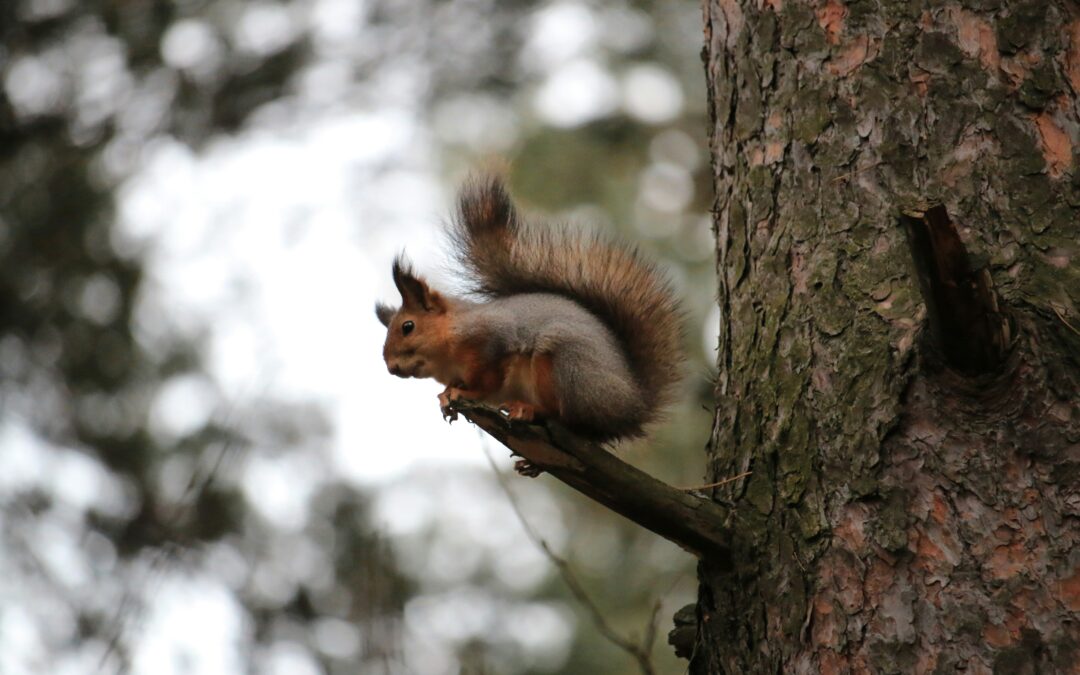
You likely want to remove a squirrel from your attic, garden, or bird feeder. This guide shows safe, legal, and humane ways to trap a squirrel. I write in a clear and direct style so you can follow each step. I include alternatives so you can choose what fits your situation. From my own personal experience, or based on my overall experience, humane methods work best for you and for the animal.
Read this first: legality and ethics
You must check local laws before trapping. Some places protect wildlife or set rules about relocation. Some places ban live releases far from the capture site. Trapping without the right permit can lead to fines. You must also consider ethics. Squirrels feel pain and stress. Use only methods that avoid injury and reduce stress. If you are unsure, call a licensed wildlife control operator. They know local rules and safe methods.
Decide whether trapping is the right choice
Trapping is not always the best option. Try these options first:
- Remove attractants like open food, fallen fruit, and easy nest sites.
- Block access points to attics, soffits, and crawl spaces.
- Use exclusion devices or one-way doors for attic exits that let squirrels leave but not return.
- Use motion-activated sprinklers or lights for garden pests.
- Call wildlife control for advice.
If these steps fail or if the animal is injured or trapped inside your home, humane trapping may be needed.
Choose the right trap (buy, don’t build)
Buy a commercial live cage trap made for small mammals. These traps are safe and legal in most places. Look for:
- A trap of suitable size: about 24 inches long and 7–10 inches high works for most tree squirrels.
- Sturdy metal mesh or welded wire that prevents escape.
- A sensitive trigger plate so the animal trips the door without harm.
- A humane door mechanism that closes gently.
Do not use homemade snares, glue, or poisoning. Those methods injure or kill animals and can break laws.
Baiting the trap (simple and safe)
Use bait that squirrels naturally prefer. Do not use live bait or anything that harms the animal. Use a small amount so the squirrel enters fully to reach it. Good options include:
- Unsalted peanuts in the shell.
- Sunflower seeds mixed with a few pieces of fruit.
- Small sections of apple or pear.
- Nut butter smeared near the back of the trap to encourage full entry.
Place bait behind the trigger plate so the squirrel fully steps inside. Avoid over-baiting outside the trap. That attracts more animals and trains them to feed at that spot.
Where to set the trap
Place the trap where squirrels are active. Common spots include near the base of a tree, along an attic access point, or beside a bird feeder. Follow these rules:
- Place the trap on a flat, stable surface.
- Make sure the trap is sheltered from direct rain and harsh sun.
- Do not put the trap where children or pets can easily reach it.
- If trapping in an attic or crawl space, ensure you can safely access the area and remove the trap when needed.
If you set the trap near your house, monitor it closely to avoid capturing non-target animals like cats. Use a path or board to place the trap where squirrels will feel safe entering.
Setting the trap: a step-by-step routine
Follow a consistent routine so the trap works and you follow the law and ethics. Do not leave traps unattended for long periods.
- Check local rules about trap placement and how often you must inspect the trap.
- Clean the trap to remove human scent. Wear gloves when handling the trap.
- Place a small amount of bedding material at the far end only if you must protect a trapped animal from cold. Use dry natural fibers only.
- Position bait at the back so the squirrel must step fully inside and stand on the trigger plate.
- Arm the trap according to the manufacturer’s instructions. Test the mechanism without bait to ensure it closes gently.
- Set the trap late in the afternoon. Squirrels are active in the early morning and late afternoon.
- Check the trap at least twice a day. More frequent checks reduce stress on the animal.
Never leave an animal in a trap overnight in extreme heat or cold.
After capture: handling with care
Once you trap a squirrel, act calmly and quickly.
- Approach slowly and cover the trap with a towel or blanket to calm the animal. This reduces visual stress.
- Keep children and pets away from the trapped animal.
- Do not open the trap unless you need to transfer the animal to a transport container.
- Wear thick gloves if you must handle the trap. Squirrels can bite or scratch in panic.
- Keep the trap level and avoid jarring movements during transport.
If the animal looks sick, injured, or clearly very young, contact a wildlife rehabilitator or animal control immediately. They handle special cases and young animals properly.
Where and how to release: follow the law
Many regions restrict how far you may transport wildlife. Check local rules before release.
- Release close to where you captured the squirrel unless local law allows relocation. Releasing animals far from their home risks survival and spreads disease.
- Choose a release site with trees and natural cover, not a busy road or a residential yard with many predators.
- Open the trap door and stand back. Do not force the animal out. It will leave when it feels safe.
- If you must release at night, use a secure, quiet location and avoid brightly lit areas.
Some areas require squirrels to be euthanized if they carry disease. Always follow local guidance.
Alternatives to relocating: exclusion and prevention
Trapping without fixing the cause leads to repeat problems. Use exclusion and prevention to stop squirrels from returning.
- Seal holes larger than 1 inch with metal flashing or hardware cloth. Squirrels chew through wood and plastic, so use metal at entry points.
- Trim tree branches that give squirrel access to roofs or attics. Keep branches at least 6 to 8 feet away from the roofline.
- Use one-way exclusion doors for attics. These let squirrels exit but not reenter. Once you confirm no animals remain, seal the entry permanently.
- Remove food sources. Keep bird feeders squirrel-proof or move them away from the house. Store pet food and bird seed indoors.
- Secure compost bins and trash lids. Squirrels feed on accessible human food.
Preventive work solves the problem long term and reduces the need for trapping.
When to call a pro
Call a licensed wildlife control operator if:
- The squirrel is inside an enclosed space you can’t access safely.
- You have a nest with babies in the attic or wall.
- You find multiple animals or signs of a den.
- You lack tools or time to do exclusion and repair.
- The animal appears injured or shows signs of disease.
A pro can handle permits, use safe traps, and perform exclusion work to prevent future entry.
Health, safety, and disease
Squirrels can carry parasites and diseases. Protect yourself and others.
- Avoid direct contact with trapped animals.
- Wear gloves when handling traps or cleaning areas with droppings.
- Do not bring wild animals inside your home.
- Wash hands and disinfect surfaces that may have been contaminated.
- If bitten or scratched, seek medical attention. Report the incident to local health authorities if required.
If you find nests with many droppings, consider professional cleaning. Droppings can host parasites and bacteria that pose health risks.
Special cases: baby squirrels and maternal behavior
If you trap an adult with babies in the nest, do not separate the babies from their mother. Female squirrels may abandon a nest if you remove the mother. Steps to handle this:
- If the mother is in the trap and babies remain in the nest, contact a wildlife rehabilitator for immediate advice.
- If babies are found alone and cold, contact a rehabilitator before attempting to move them.
- If you must move babies temporarily because of danger, keep them warm and seek rehabilitator help quickly.
Wildlife rehabilitators have the training and permits to care for young animals and reunite them when possible.
Trapping in urban areas: tips to avoid conflicts
Urban settings pose special challenges. Follow these tips:
- Use traps designed to avoid non-target captures like cats.
- Post signs if you trap near public walkways to alert neighbors.
- Work during cooler parts of the day to reduce heat stress on captured animals.
- Coordinate with neighbors to reduce shared food sources like communal bird feeders.
- Document actions and keep a log of trap checks in case authorities ask.
Clear communication and careful practice prevent neighborhood disputes.
Common mistakes and how to avoid them
Avoid these errors that cause failure or harm.
- Leaving traps unchecked for long periods. This stresses animals and can break local rules.
- Using illegal or inhumane methods like poisons, glue, or body-gripping devices.
- Releasing too far from the capture site. This harms the animal’s survival and may break the law.
- Not sealing entry points after removal. Squirrels will return if you do not repair access.
- Handling a trapped animal without gloves or training.
Fix these mistakes by following humane guidelines and getting expert help when needed.
Cost and tools checklist
You do not need many tools to trap humanely. Typical items include:
- A commercial live cage trap sized for squirrels.
- Thick gloves for handling traps and transport.
- Towels to cover the trap and calm the animal.
- A tarp or secure crate for transport if required by law.
- Contact info for local wildlife rehabilitators and animal control.
Buy quality products. Cheap traps can injure animals or fail to hold them safely.
Long-term solutions and yard design
Change the environment to make your property less attractive to squirrels.
- Plant fewer nut-bearing trees near the house if they cause frequent visits.
- Use plants that squirrels dislike around foundations and gardens.
- Add barriers to bird feeders or use squirrel-proof feeders.
- Secure attics and crawl spaces with metal flashing and screens.
Long-term changes reduce stress and costs for you and the animals.
Closing and final checklist
If you choose to trap, follow these final rules:
- Confirm local laws and permits.
- Use commercially made live traps only.
- Check traps frequently and handle animals humanely.
- Release according to local rules or call a professional.
- Fix entry points and remove attractants to avoid repeat issues.
If you feel unsure at any step, call a licensed wildlife control operator. They can guide you or take over the job.