
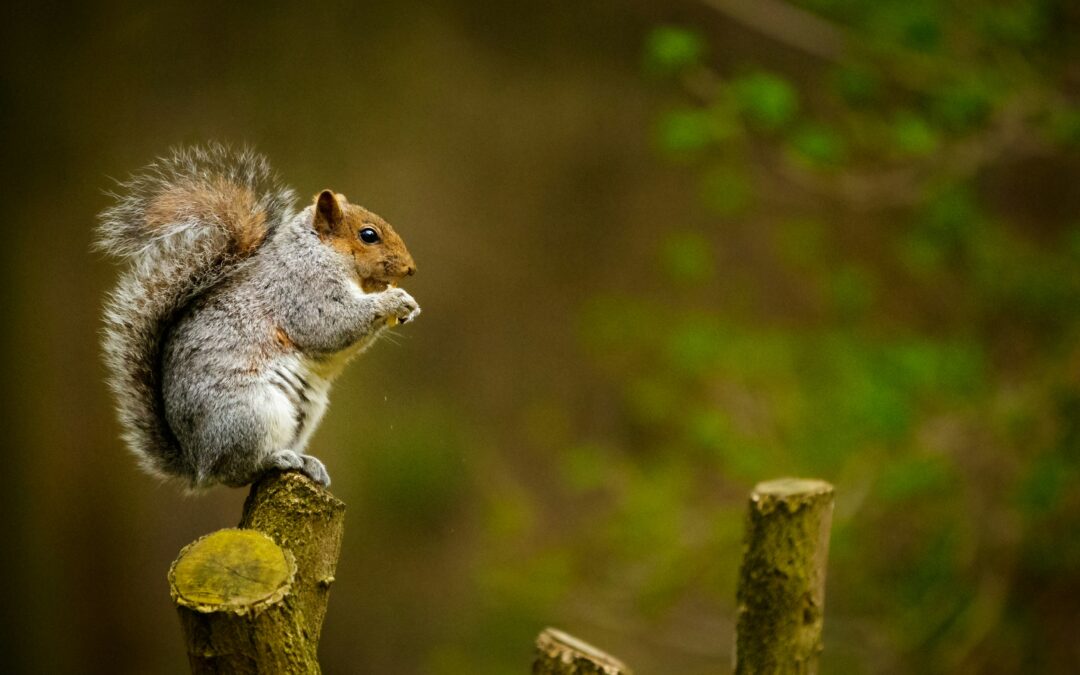
Squirrels and nuts are inseparable in most people’s minds. When you picture a squirrel, you probably imagine it sitting upright, nibbling on an acorn or carrying one in its mouth to bury for later. Nuts have become so tied to squirrels that cartoons, books, and even children’s games constantly reinforce the image. But here’s the big question: is mixing nuts good for squirrels, or is it better to keep things simple with no mix at all?
This question seems small, but once you dig into it, you’ll see how layered it actually is. Squirrels live fast-paced lives. They need food that not only fuels their bodies but also supports long-term health. Choosing what nuts they eat, and whether those nuts should be mixed, can make a difference.
I’ll break this down in detail, drawing on research, practical reasoning, and from my own personal experience feeding squirrels in my backyard. By the end, you’ll have a much clearer picture of whether squirrels benefit more from a mixed selection of nuts or a simple, consistent offering.
Why Nuts Matter for Squirrels
Nuts are not just snacks for squirrels. They’re energy-dense foods packed with fats, proteins, and sometimes minerals that squirrels rely on for survival. Unlike birds that eat seeds or insects that thrive on specific diets, squirrels are opportunistic feeders. They will eat fruits, mushrooms, seeds, and even small insects, but nuts remain the gold standard in their diet.
Why? Because nuts store energy like a battery. A single walnut or hazelnut can keep a squirrel going much longer than a handful of berries. That’s why in autumn, squirrels spend hours collecting and burying nuts. Their instincts tell them that when the ground is covered in snow, nuts will keep them alive.
So, when you introduce the idea of mixing nuts versus sticking with one type, you’re really asking whether variety matters to their health and survival, or whether it complicates things.
What Happens With a Mix of Nuts
Mixing nuts means offering squirrels a blend: walnuts, hazelnuts, almonds, pecans, peanuts (technically legumes, but often treated as nuts), pistachios, and more. Some people even add exotic nuts like macadamias or cashews.
There are clear benefits to this approach:
Variety of Nutrients
Different nuts contain different balances of fats, proteins, and minerals. Walnuts, for example, are rich in omega-3 fatty acids. Almonds have vitamin E. Hazelnuts bring manganese and copper. A mix could, in theory, round out a squirrel’s diet better than a single nut type ever could.
Mental Stimulation
Squirrels are not just hungry creatures; they are curious and intelligent. Offering a mix of nuts keeps feeding time exciting. They get to decide which nut to eat first, which to bury, and which to leave behind. This adds a layer of enrichment to their lives.
Flexibility in Storage
Squirrels often bury nuts based on how long they last before spoiling. For example, acorns can mold if stored too long, while hazelnuts remain fresh. A mix gives them options for storage strategies.
However, mixing nuts also has downsides:
Preference Battles
Anyone who has ever fed squirrels knows they play favorites. Some will pick walnuts every single time and leave the peanuts untouched. If you mix nuts, you may notice waste, with certain types ignored.
Digestive Challenges
Not all nuts sit well with squirrels. Salted, roasted, or flavored nuts are harmful, and some (like almonds in excess) can be tough to digest. A random mix might accidentally include more of what’s bad than good.
Over-Reliance on Human Mixes
In nature, squirrels don’t find a neat pile of mixed nuts waiting. They adapt to what’s available seasonally. Mixing nuts artificially may spoil them or alter their natural instincts.
What Happens With No Mix
The opposite approach is simple: offer only one type of nut. For example, some people choose only hazelnuts, while others stick with walnuts or peanuts. This “no mix” style keeps things straightforward.
Benefits of no mix:
- Digestive Consistency
Sticking to one nut means the squirrel’s body adapts better. There’s no sudden introduction of harder-to-digest varieties. - Simplicity for Storage
If a squirrel knows the nut well, it knows exactly how to bury it and when to eat it later. There’s less trial and error. - Less Waste
With one type, there’s no picking and choosing. Squirrels don’t toss aside what they dislike.
But there are downsides, too:
- Nutritional Gaps
A single nut type might lack key nutrients. Over time, that could affect squirrel health. - Boredom
Squirrels may become less stimulated if they always eat the same thing. Variety, like in human diets, adds excitement. - Dependence Risk
If squirrels in an area become dependent on one nut you always offer, they may struggle if it suddenly disappears.
From My Own Personal Experience
From my own personal experience, feeding squirrels in my backyard taught me a lot about their choices. I started with peanuts because they were cheap and easy to buy in bulk. At first, the squirrels swarmed to them. But after a few weeks, I noticed something interesting: they started leaving more peanuts behind. Some even took them, only to bury them and never come back.
When I introduced a mix of walnuts, hazelnuts, and almonds, their behavior changed immediately. They became more active, darting back and forth, sometimes burying hazelnuts while eating walnuts on the spot. The energy in the yard was higher. I could almost see the excitement of choice on their little faces.
That taught me something valuable: while one nut can keep them alive, a mix gives them stimulation and maybe even joy. Still, I also noticed waste, especially with almonds, which they often ignored. So, the balance seemed to be offering a mix but focusing on the nuts they clearly loved.
Do Squirrels Need Humans to Mix Nuts for Them?
Here’s the thing: squirrels don’t actually need us to mix nuts. In the wild, they collect whatever’s available in the season. That means sometimes they eat mostly acorns, sometimes walnuts, sometimes pine seeds. They naturally create their own mix.
So when people ask whether to mix nuts or not, the better question might be: do you want to mimic nature, or do you want to control their diet? Mixing nuts recreates the natural variety. A single nut diet gives them stability but not the same diversity they’d find in the wild.
The Hidden Risks of Mixing
There’s also the human factor. Many store-bought nuts are salted, roasted, or coated in flavors. These are harmful to squirrels. Salt can dehydrate them. Flavors like onion or garlic powder are toxic. Even roasting changes the fat structure in nuts, making them less healthy.
That means if you decide to mix nuts, you need to be careful. Only raw, unsalted nuts are safe. Mixing without paying attention could be more harmful than helpful.
Behavior Around Mixed Nuts
Squirrels also show fascinating behavior when offered mixes. Some studies suggest squirrels practice “scatter hoarding,” which means they bury nuts in many locations to avoid theft. When given mixed nuts, they often bury certain types further away, as if protecting their favorites. This shows that variety affects not just nutrition but also behavior.
The No-Mix Argument for Safety
While variety is fun, sticking with a single nut type has one big advantage: safety. If you only give squirrels raw hazelnuts, for example, you know exactly what they’re getting. There’s no risk of slipping in a salted peanut or roasted almond by accident.
This is especially important in urban areas, where squirrels already deal with risks like cars, pollution, and human food waste. A no-mix diet ensures their human-provided food is safe and consistent.
Finding a Middle Ground
So, what’s the answer? Should you mix nuts or not? The truth is, both approaches have merits. The sweet spot may lie in moderation. Offer a limited mix of nuts that are safe and clearly enjoyed: walnuts, hazelnuts, and pecans are solid choices. Avoid salted or roasted varieties. Watch the squirrels closely to see what they actually eat and what they ignore.
If you prefer simplicity, stick with one nut you know they love. But remember, variety is natural for them, and even small doses of diversity can make their lives more enriching.
Final Thoughts
The debate over mixing nuts versus no mix for squirrels is bigger than it first appears. Nuts are life-giving energy for squirrels, but the way you offer them changes everything, from nutrition to behavior.
Mixing nuts provides variety, nutrients, and stimulation, but it comes with risks of waste and harmful mistakes. No mix keeps things safe and simple but may lead to nutritional gaps and boredom.
Based on my overall experience, I’d say the best option is to aim for balance: offer a mix, but keep it simple, raw, and safe. Pay attention to what your squirrels actually eat and let their instincts guide you. After all, squirrels have survived for centuries without us. The goal isn’t to replace their natural habits but to give them a small boost, a little help that makes their days brighter and their winters easier.
And if you ever sit back and watch a squirrel dart across your yard with a walnut in its mouth, you’ll know the joy they feel from something as simple as a nut, mixed or not.