
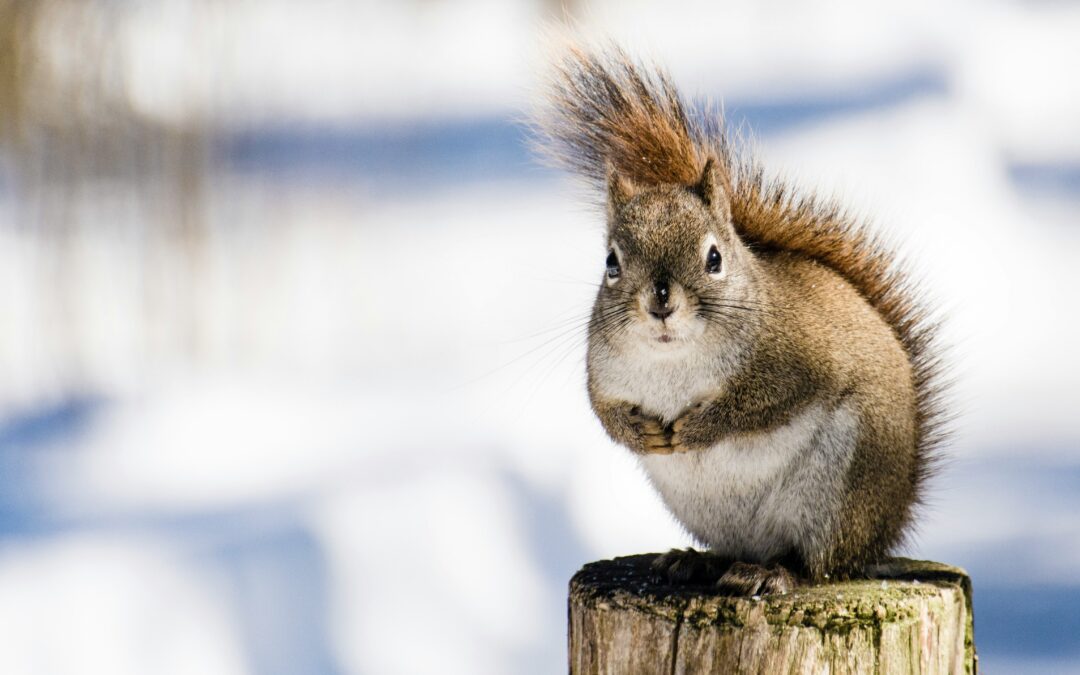
Squirrels are some of the most curious and playful animals around. Watching them scurry, leap, and dig through gardens is a joy for many. But when it comes to feeding these little creatures, questions often pop up. One common question is whether squirrels can safely eat peanuts, and if so, is there a difference between roasted peanuts and raw peanuts? This is what the post dives into. From my own personal experience, understanding the dietary needs of squirrels is essential if feeding them is on the table, and it can even impact their health and behavior.
What Squirrels Naturally Eat
Before diving into peanuts specifically, it helps to understand what squirrels typically eat. Squirrels are primarily herbivores. Their diet mainly consists of:
Nuts and seeds: Acorns, walnuts, pecans, and sunflower seeds are staples.
Fruits and berries: Apples, blueberries, and other soft fruits.
Vegetables: Corn, carrots, and leafy greens.
Occasional protein: Small insects, eggs, or bird food leftovers.
This diet provides squirrels with the nutrients they need to stay active, maintain their sharp teeth, and prepare for winter. Because nuts like peanuts are high in fat and calories, they can be a good treat, but moderation is key.
Raw Peanuts for Squirrels
Raw peanuts are simply peanuts that haven’t been roasted or salted. They are the most natural form of the peanut and contain essential nutrients such as protein, healthy fats, and fiber. Raw peanuts also have no added sodium or flavorings, which is better for a squirrel’s sensitive system.
Benefits of raw peanuts for squirrels include:
Natural nutrition: Packed with protein and healthy fats that give squirrels energy.
Dental health: Chewing on raw peanuts can help squirrels maintain their teeth, which grow continuously.
Less risk of additives: Since raw peanuts are plain, there’s no added salt, sugar, or artificial flavors, which could harm squirrels.
However, raw peanuts still need to be given in moderation. Too many peanuts at once can cause digestive issues or excessive weight gain. From my overall experience, offering a handful occasionally is perfect for observing them safely and enjoying their natural antics.
Roasted Peanuts for Squirrels
Roasted peanuts are peanuts that have been heated, sometimes with added salt or sugar. They taste better to humans, but the roasting process changes the chemical structure slightly, and added salt can be dangerous for squirrels.
Here’s what to consider about roasted peanuts:
Salt content: Salted roasted peanuts can be toxic to squirrels, leading to dehydration, kidney stress, or even death if consumed in large amounts.
Loss of certain nutrients: Roasting can destroy some heat-sensitive nutrients, although the core fats and proteins remain.
Better taste, less natural: While squirrels might enjoy the flavor more, it’s not the healthiest option.
From my own personal experience, if feeding roasted peanuts to squirrels, make sure they are unsalted and given sparingly. Plain roasted peanuts are safer, but still less ideal than raw ones.
The Differences Between Roasted and Raw Peanuts
Understanding the differences is key if feeding squirrels or even just observing them in your backyard.
Nutritional content: Raw peanuts retain their full nutrient profile, while roasted peanuts may lose some nutrients, especially if roasted at high temperatures.
Additives: Roasted peanuts often have added salt or sugar, which can harm squirrels.
Digestibility: Raw peanuts are closer to a squirrel’s natural diet and easier to digest.
Taste preference: While roasted peanuts might be more palatable to squirrels, this doesn’t mean they’re healthier.
Feeding Peanuts to Squirrels: Safety Tips
If deciding to feed peanuts, a few safety rules can ensure the squirrels stay healthy:
Stick to raw peanuts: Whenever possible, feed them raw peanuts without shells or additives.
Avoid salted peanuts: Even small amounts of salt can accumulate and harm squirrels.
Moderation is key: Too many peanuts can cause weight gain and digestive issues. One or two peanuts per visit is plenty.
Consider shells: Squirrels naturally eat nuts with shells, which helps them chew and keeps their teeth healthy. Avoid peanuts in plastic or coated shells.
Provide variety: Peanuts should never replace their natural diet. Include fruits, vegetables, and other nuts when possible.
Are Peanuts Safe for All Squirrel Species?
Most common squirrel species, like gray squirrels, fox squirrels, and red squirrels, can safely eat peanuts in moderation. However, every squirrel’s digestive system is slightly different, and young or sick squirrels may be more sensitive. Observing how squirrels respond to peanuts is essential.
From my own personal experience, gray squirrels are especially enthusiastic about peanuts, but some individuals can develop digestive upset if they overeat. Watching them interact with the food is part of the fun—and it helps prevent health issues.
Can Feeding Peanuts Alter Squirrel Behavior?
Feeding peanuts and other treats can have behavioral consequences. Squirrels are smart, and they quickly learn to associate humans with food. While this can be entertaining, it may:
Reduce natural foraging: Squirrels may spend more time waiting for peanuts than searching for natural food.
Encourage bold behavior: Squirrels may approach humans more aggressively or steal food from pets.
Increase dependency: Regular feeding can make squirrels less independent, relying on easy snacks rather than seasonal hunting.
To avoid this, limit feeding to occasional treats, and always encourage a balanced natural diet.
Common Myths About Squirrels and Peanuts
All peanuts are safe: False. Salted or flavored peanuts can harm squirrels.
Squirrels only eat nuts: False. Nuts are just one part of their diet. Fruits, vegetables, and even occasional insects are important.
Feeding peanuts is harmless: False. Too many peanuts, especially roasted or salted, can cause serious health problems.
From my overall experience, understanding the right type, quantity, and feeding frequency is essential to keep squirrels healthy and happy.
Alternatives to Peanuts
If peanuts feel risky or you want to offer variety, other foods can provide similar benefits:
Sunflower seeds: High in protein and healthy fats, safe in moderation.
Acorns and walnuts: Natural nuts that mimic their wild diet.
Fruits: Apples, berries, and pears add vitamins.
Vegetables: Corn, carrots, and leafy greens.
These alternatives can reduce the risk of overfeeding peanuts while still providing nutrition and enjoyment for squirrels.
Tips for Observing Squirrels While Feeding
Feeding squirrels can be a joy, but here are some practical tips:
Offer food in small amounts: Use a small dish or scatter a few peanuts on the ground.
Avoid high-traffic areas: Squirrels can become bold or aggressive around busy areas.
Keep feeding consistent but limited: Regular, small portions help squirrels without making them dependent.
Watch for interactions with other wildlife: Birds and other small mammals may also enjoy the peanuts.
From my own personal experience, spreading peanuts in a quiet backyard corner allows observation of natural behaviors without stressing the squirrels or encouraging aggressive interactions.
Conclusion
So, can squirrels eat peanuts? Absolutely, but the type and quantity matter. Raw peanuts are the healthiest option, while roasted peanuts should be given sparingly and only if unsalted. Overfeeding any type of peanut can lead to health and behavioral issues. Always remember to balance treats with their natural diet of fruits, vegetables, and nuts.
From my own personal experience, offering peanuts to squirrels can be a rewarding and entertaining activity, but it requires careful consideration and moderation. Watching squirrels enjoy a small handful of raw peanuts as they scurry around is both fun and safe, as long as their health comes first.
In short: raw peanuts in moderation are a squirrel’s treat, roasted unsalted peanuts are acceptable occasionally, and salt or flavored peanuts are off-limits. By following these tips, squirrels stay healthy, active, and happy—while backyard observers get to enjoy one of nature’s liveliest little entertainers.