
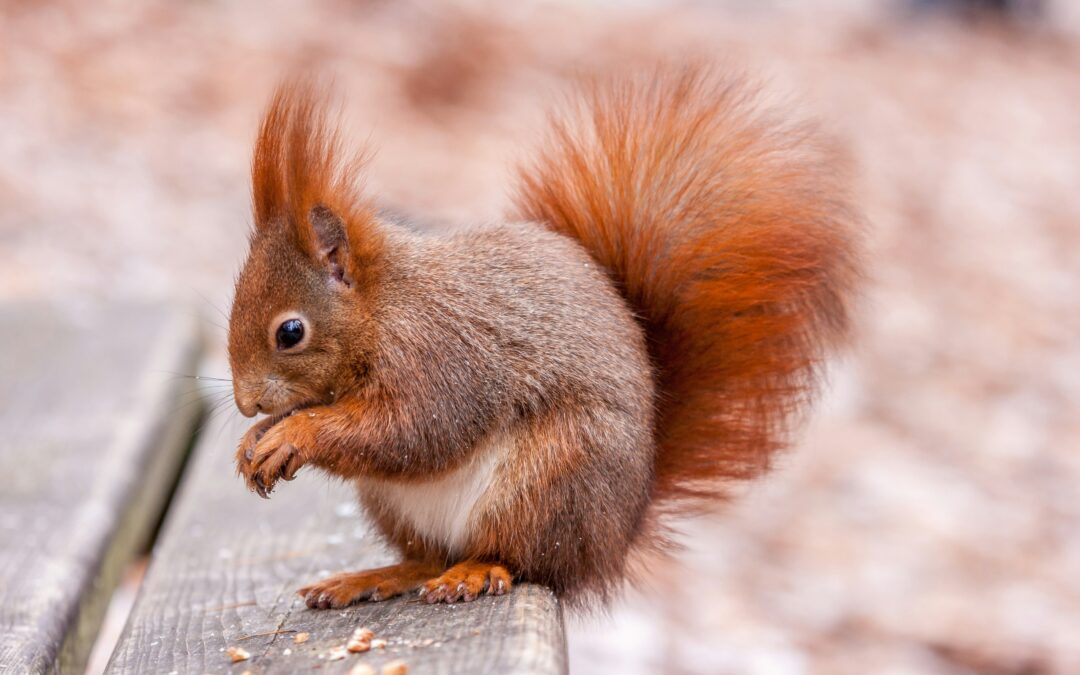
When you think about squirrels, the first image that probably comes to mind is a little gray or brown creature holding a nut between its paws, nibbling happily. They’re quick, playful, and always on the hunt for food. You’ll often spot them in parks, gardens, and even on your porch if you happen to leave something edible out. But here’s the real question that many people wonder: should squirrels be eating salted peanuts, raw peanuts, or peanuts at all?
If you’ve ever thought about tossing a handful of salted peanuts to a squirrel, you’re not alone. Many people do it without even realizing the difference it can make. This blog dives deep into how squirrels handle peanuts, what type is safe for them, and the bigger picture of their diet. Let’s break it down step by step in a way that’s both simple and detailed, so you’ll know exactly what’s going on the next time you want to share your snack with these furry foragers.
Why Do Squirrels Love Peanuts in the First Place?
Peanuts are technically legumes, not true nuts, but squirrels don’t really care about the technicality. To them, a peanut feels like a nut, looks like a nut, and tastes like a nut. Squirrels have sharp teeth that are made for cracking hard shells, and a peanut in its shell is the perfect little puzzle.
When they see peanuts, they react much the same way they do to acorns, walnuts, or hazelnuts. The texture is crunchy, the smell is attractive, and the fat content makes it a high-energy food. Squirrels are constantly looking for energy-dense snacks because they burn so many calories climbing, running, and preparing for winter.
From my own personal experience, I once left a small bowl of unsalted raw peanuts on a back porch table. Within minutes, a squirrel was brave enough to dart over, snatch a peanut, and dash away. It didn’t take long for that same squirrel to return with friends, all equally excited about the peanuts. This showed me that peanuts aren’t just appealing—they’re irresistible. But just because squirrels like something doesn’t always mean it’s good for them.
Salted Peanuts: Are They Safe for Squirrels?
Salted peanuts are the kind you usually buy in a bag at the grocery store for yourself. They’re roasted, seasoned, and often heavily salted. For humans, a handful now and then is fine, but for a tiny animal like a squirrel, all that salt is a big deal.
Squirrels’ bodies are not designed to process high levels of sodium. Too much salt can affect their kidneys, dehydrate them, and even lead to long-term health issues. Imagine a creature that weighs less than two pounds trying to process the same salty snack you eat while watching TV, it just doesn’t add up.
The salt on peanuts can also make squirrels thirstier than usual. Unless they have easy access to fresh water (which is not guaranteed in urban areas), they might end up struggling with dehydration. Dehydration in wildlife is far more dangerous than you might think because it affects their ability to function, search for food, and escape predators.
So yes, squirrels will eat salted peanuts if you offer them. They won’t hesitate. But just like kids who will happily eat candy for every meal if allowed, squirrels don’t always know what’s best for their health.
Raw Peanuts: Are They Any Better?
Raw peanuts might sound like the safer choice. They don’t have salt or flavoring added, and they’re closer to the natural form of food. But here’s the catch: raw peanuts contain something called aflatoxin. This is a naturally occurring toxin that can develop in peanuts due to certain molds. While not every raw peanut contains it, the risk is always there. Aflatoxins can cause liver damage in both humans and animals, and for small creatures like squirrels, it’s especially risky.
Raw peanuts also contain trypsin inhibitors, which can interfere with protein digestion. While one or two peanuts won’t harm a squirrel, a steady diet of raw peanuts can cause malnutrition. This is because the squirrel’s body won’t be able to use protein properly if the trypsin inhibitors are blocking the process.
That being said, raw peanuts in moderation, especially if they are clean and mold-free—are still safer than salted peanuts. But they are far from the best option available.
Roasted Unsalted Peanuts: The Safer Middle Ground
If you absolutely want to feed peanuts to squirrels, the safest option is roasted unsalted peanuts. Roasting reduces the risk of aflatoxin and also neutralizes the trypsin inhibitors. Without the added salt, you avoid the dehydration and kidney stress that salted peanuts can cause.
Roasted unsalted peanuts are easier for squirrels to digest, and they still provide that energy-rich crunch they love. But remember, peanuts, even unsalted roasted ones, should never be the main part of a squirrel’s diet. They should be a treat, not a staple.
What Happens If Squirrels Eat Too Many Peanuts?
Squirrels, like people, can get hooked on certain foods. If they have too much access to peanuts, they might ignore healthier options. This is where problems start.
Too many peanuts can cause calcium deficiency in squirrels. Peanuts, especially when eaten in large amounts, contain substances that block calcium absorption. Calcium is essential for strong bones, teeth, and proper nerve function. Without it, squirrels can develop a condition called metabolic bone disease (MBD).
MBD can lead to weak, brittle bones, tremors, and even paralysis. Sadly, it’s often fatal for wild squirrels if not corrected. This is one of the biggest reasons wildlife experts discourage feeding squirrels large amounts of peanuts.
What Should Squirrels Be Eating Instead?
Squirrels are opportunistic eaters, meaning they’ll munch on whatever they find. In the wild, their diet is diverse. Here are the foods that are actually good for them:
- Acorns, walnuts, hazelnuts, pecans (all unsalted and natural)
- Seeds like sunflower and pumpkin
- Fresh fruits such as apples, grapes, and berries
- Vegetables like corn, carrots, and leafy greens
- Fungi, tree bark, and buds in the wild
Compared to peanuts, these foods provide a better balance of vitamins, minerals, and energy without the same health risks.
The Temptation of Feeding Squirrels Human Snacks
It’s easy to forget that squirrels are wild animals when they’re bold enough to take food right from your hand. They seem so tame and friendly that sharing snacks feels harmless. But giving them human snacks like salted peanuts, chips, or crackers is actually doing them more harm than good.
Wild animals need to stay wild. Feeding them processed or salted foods can make them dependent on humans and weaken their natural instincts for foraging. Over time, this can even affect their survival skills.
From Curiosity to Responsibility
Feeding squirrels is a fun way to connect with nature. It’s entertaining to watch them scamper up, grab a peanut, and dart away to stash it in some secret hiding spot. But with that fun comes responsibility. Knowing the difference between what squirrels can eat and what they should eat is important if you want to keep them healthy.
Based on my overall experience, the best approach is moderation and mindfulness. If you want to give squirrels peanuts, make sure they are roasted and unsalted, and limit how many you hand out. Better yet, mix in natural nuts, seeds, and fruits to give them a balanced snack.
Final Thoughts
So, do squirrels eat salted peanuts? Yes, they will. Do they eat raw peanuts? Yes, those too. But just because they eat them doesn’t mean they should. Salted peanuts pose risks because of the sodium, while raw peanuts bring dangers like aflatoxins and digestive issues. Roasted unsalted peanuts are the only type that can be considered reasonably safe, and even then, they should only be an occasional treat.
If you care about the health of the squirrels that visit your yard or park, think twice before tossing them handfuls of salted or raw peanuts. Instead, offer them foods that actually help them thrive. That way, you get the joy of watching them eat, while also knowing you’re not causing harm.