
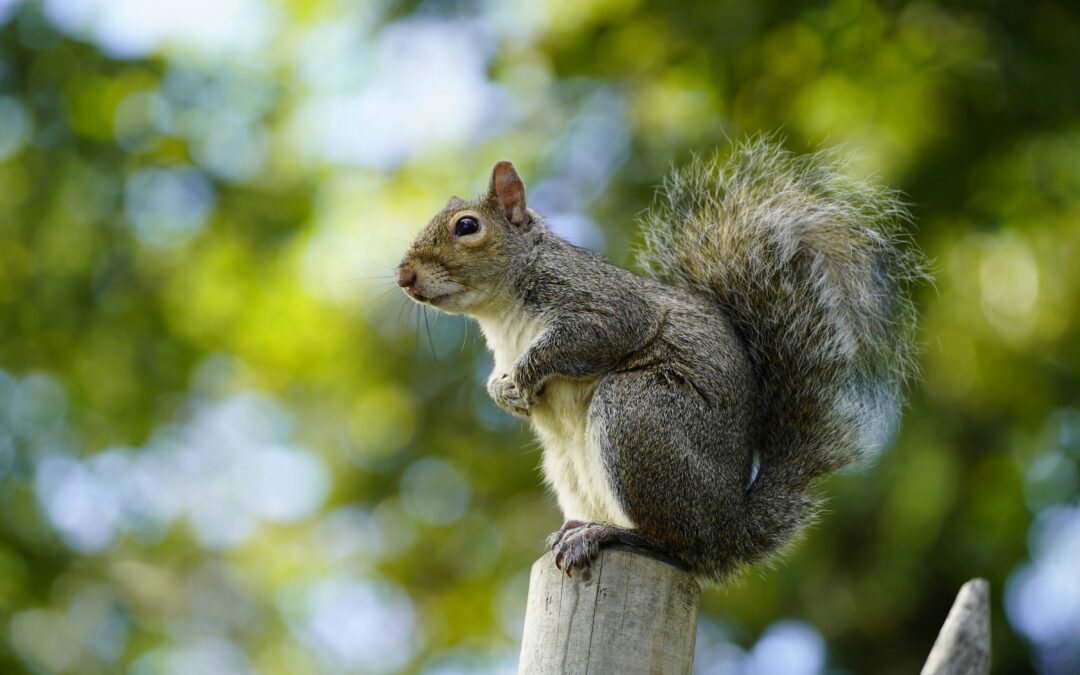
Squirrels have always fascinated people with their quick movements, playful jumps, and clever way of storing food. But one thing many don’t often think about is how squirrels actually sleep. Their sleeping patterns change dramatically depending on the season, and the difference between summer and winter is much more than just a nap here and there. From my own personal experience watching squirrels in my backyard, I noticed they seemed far more active in the warm months and almost invisible during the colder ones. That curiosity pushed me to look closer into how these little creatures handle their rest and survival through the year.
In this post, I’ll break down the way squirrels sleep in summer compared to winter, the reasons behind these differences, and what these habits tell us about survival, energy, and adaptation. You’ll see how their rest is not random but part of a larger system that keeps them alive and thriving in changing conditions.
How Squirrels Sleep in Summer
Summer is a season of high energy for squirrels. The warmer weather brings plenty of food sources like acorns, seeds, fruits, and nuts. Because of this abundance, their sleeping pattern is shorter and lighter compared to winter.
In summer, squirrels sleep mostly at night and spend the day actively searching for food, storing it, and building or repairing their nests. Unlike humans, their sleep isn’t always a long, continuous stretch. They often take shorter naps throughout the day, usually in shaded or hidden areas. This allows them to avoid predators, stay cool, and recharge quickly before heading out again.
Another thing about summer sleep is that it tends to happen in nests called dreys. These are made from twigs, leaves, and moss, usually positioned high in trees. During summer, dreys are not heavily insulated because the weather is warm, and airflow matters more than protection from the cold. You might even see them stretched out on a branch during a hot afternoon, almost like they’re sunbathing while resting.
The big takeaway is that summer sleep is flexible and light. Squirrels can wake up easily, and they don’t need to conserve energy in the same way they will once winter arrives.
How Squirrels Sleep in Winter
Winter completely changes the picture. The days get shorter, food becomes scarce, and temperatures drop sharply. Unlike animals that hibernate, most squirrels do not completely shut down for the season. Instead, they enter a form of semi-resting cycle where sleep plays a major role in energy conservation.
During winter, squirrels spend long stretches inside their nests, often sleeping much more than they do in summer. Their dreys are now heavily insulated with layers of leaves, bark, and even fur if available. Some species even share dreys in winter to preserve body heat, which leads to longer, deeper sleep sessions.
Because food is not easy to find, their stored nuts become essential. Instead of running around all day like in summer, they limit their activity to short outings when necessary. That means they may sleep 12 to 14 hours a day or even longer, depending on how severe the cold is. Their bodies slow down, they reduce unnecessary movement, and sleep becomes a survival strategy.
From a survival perspective, winter sleeping is about protection and conservation. A squirrel that wastes energy by staying active risks starvation, so their sleep adapts perfectly to balance rest with short bursts of activity when needed.
Comparing Summer and Winter Sleeping
When you put summer and winter side by side, the difference is striking.
In summer, squirrels are restless, mobile, and alert. Their sleep is broken into smaller pieces, and they often nap lightly during the day. Energy is high because food is everywhere.
In winter, the focus shifts to long, deep rest inside a secure nest. Food is scarce, and the energy saved by sleeping longer is the difference between survival and weakness. Their sleeping pattern becomes less flexible and more structured around energy conservation.
You could say that summer sleep is about refreshment, while winter sleep is about survival.
Why Temperature Plays a Huge Role
Temperature is one of the biggest factors that changes how squirrels sleep. Warm weather in summer doesn’t demand heavy insulation, so squirrels feel safe taking short naps outside their dreys or in simple nests. In winter, cold forces them to burrow into thick, layered dreys where sleep becomes deeper and more protective.
The colder it gets, the longer they rest. In fact, during extremely harsh winters, squirrels may remain in their nests for days without leaving, relying completely on stored food. Sleep at this point is not just rest but a literal shield against freezing conditions.
The Role of Food in Sleep Cycles
Food availability controls how much energy squirrels can spare for activity versus rest. In summer, food is everywhere, so squirrels don’t need to rely on long stretches of rest. They can afford to be active all day because they refuel constantly.
In winter, stored food is limited. This forces squirrels to ration both their meals and their energy. Sleeping longer reduces their energy needs, so they don’t run out of supplies too soon. Based on my overall experience watching them near oak trees, I’ve seen squirrels disappear for long periods during winter, only reappearing briefly when they dig up hidden stashes of acorns.
Nest Design and Sleep Comfort
Nest design also changes between seasons, directly affecting sleep. In summer, dreys are lighter, airy, and built mainly for shade and protection from rain. Sleeping here is cooler and often interrupted by activity.
In winter, the same dreys are fortified and packed with layers of material that keep the inside warm and dark. Sleep becomes more extended and uninterrupted. Sometimes squirrels even create secondary chambers in the nest to store food or to allow for multiple squirrels to huddle together while sleeping.
The quality and design of the nest directly influence how restful sleep can be in both seasons.
Predator Awareness and Sleeping
One major factor often overlooked is how predators influence squirrel sleep. In summer, squirrels are more exposed. Because they nap lightly, they can wake quickly at the slightest sound. Predators like hawks, owls, and snakes are more active in warm weather, so squirrels keep their sleep light and flexible.
In winter, many predators reduce their activity. Combined with thick nests that hide them well, squirrels can afford longer, deeper sleep. Their strategy in cold months is less about constant alertness and more about endurance inside a safe shelter.
Seasonal Body Rhythm
Just like humans have circadian rhythms, squirrels have seasonal rhythms. Their internal body clocks adjust to the length of daylight and the weather. In summer, their rhythm keeps them active for long periods, with short naps filling in the gaps. In winter, their rhythm shifts to longer periods of stillness, aligning with the need to conserve energy during shorter, colder days.
This natural adjustment means their sleep patterns are not random but built into their survival instinct.
How Sleep Helps Survival
The difference between summer and winter sleeping isn’t just about comfort. It’s a survival tool.
In summer, sleep is lighter so squirrels can maximize food gathering and nest preparation. Every short nap is followed by action, ensuring they have enough stored food for later.
In winter, long sleep stretches keep them alive by saving energy when food is hard to find. By reducing activity, they can survive on their stored nuts and avoid unnecessary risks in freezing weather.
Sleep, in both cases, adapts perfectly to what the season demands.
Final Thoughts
Squirrels may seem simple at first glance, but their sleep patterns show just how finely tuned they are to their environment. In summer, their rest is light, short, and scattered, designed to keep them active and alert for gathering food. In winter, sleep becomes long, deep, and protective, keeping them alive through cold and scarcity.
From my own personal experience, seeing squirrels vanish in winter and then return in full energy in summer shows just how much their sleeping patterns are tied to survival. What looks like rest is actually a carefully balanced cycle that changes with temperature, food, and safety.
So next time you see a squirrel darting around in summer or notice how quiet things seem in winter, you’ll know their sleep is working quietly in the background, keeping them alive and ready for the next season.