
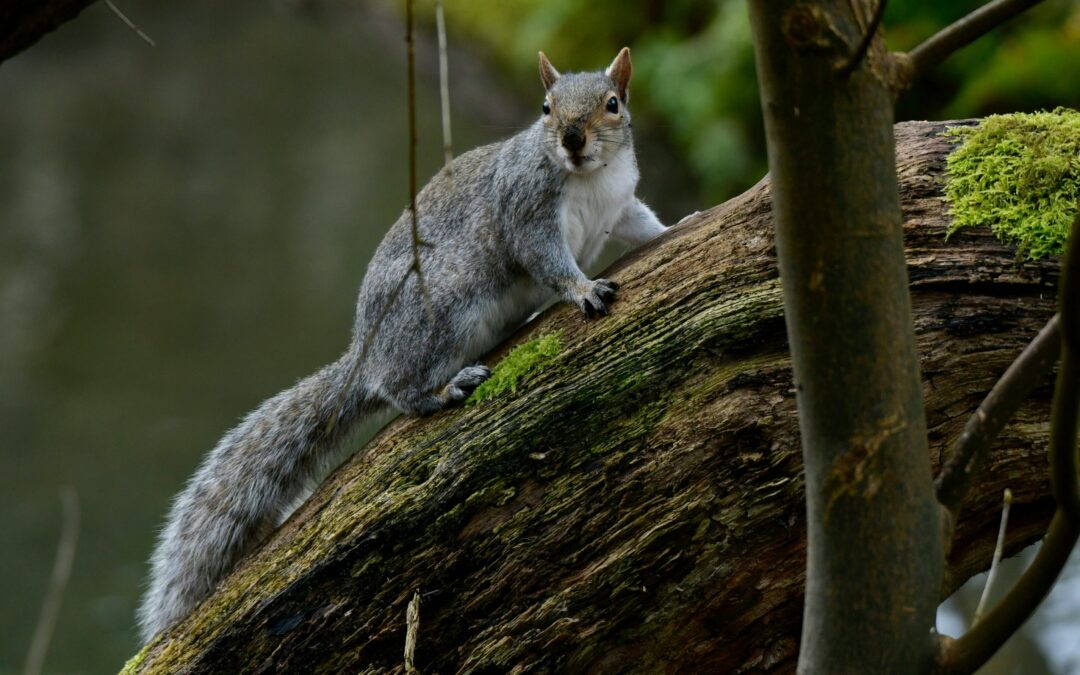
Squirrels are some of the most fascinating little animals you’ll ever observe. They’re quick, clever, and resourceful, and they always seem to be busy storing food or cracking open something delicious. If you’ve ever spent time watching squirrels in your backyard or in the park, you’ve probably noticed one thing, nuts are their favorite.
But not all nuts are the same, and if you want to feed squirrels responsibly, you’ll probably wonder: are walnuts or pistachios better for squirrels? That’s exactly what we’re going to break down in this blog post. I’ll cover nutritional value, safety, behavior, preferences, and even the pros and cons of offering each nut. From my own personal experience, and based on my overall experience observing squirrels, I’ve learned that what you give them matters more than you might expect.
Let me take you through this topic in detail so you’ll know exactly which nut is the smarter choice: walnuts or pistachios.
Why Squirrels Love Nuts
Before diving into walnuts and pistachios specifically, it helps to understand why squirrels love nuts in the first place. Nuts are high in fats, contain protein, and often provide essential vitamins and minerals. This makes them energy-dense foods, perfect for squirrels, who are constantly moving and burning calories.
For wild squirrels, nuts aren’t just snacks; they’re survival food. During autumn, squirrels stash nuts for the winter. They rely heavily on their nut caches when food sources are scarce. A nut isn’t just food to them, it’s a long-term investment.
Walnuts for Squirrels
Walnuts are one of the most common nuts people give squirrels. They’re large, tough-shelled, and packed with nutrients. But what makes them especially interesting is that squirrels don’t just eat the walnut, they work hard to get inside it. This activity stimulates their natural behaviors and keeps them sharp.
Nutritional Value of Walnuts
Walnuts are loaded with:
- Healthy fats (omega-3 fatty acids)
- Protein
- Fiber
- Vitamins like B6
- Minerals like copper, manganese, and magnesium
For squirrels, this means walnuts provide long-lasting energy and nutrients that support their growth and overall health.
Benefits of Walnuts for Squirrels
- Brain Health – Omega-3 fatty acids support brain function, which is important for a clever animal like a squirrel.
- Chewing Exercise – The hard shell keeps their teeth strong and helps them grind down teeth that never stop growing.
- Storage-Friendly – Walnuts are easy for squirrels to bury and store for winter.
- Natural Behavior Stimulation – Cracking open walnuts mimics what they’d do in the wild, which keeps them mentally engaged.
Downsides of Walnuts for Squirrels
- They’re calorie-heavy, so too many can lead to obesity in backyard squirrels that don’t face the same survival challenges as wild ones.
- Moldy walnuts can be toxic. If you’re offering walnuts, always check that they’re fresh.
Pistachios for Squirrels
Pistachios are much smaller than walnuts but still packed with nutrients. People often ask if they’re safe for squirrels, and the short answer is: yes, in moderation.
Nutritional Value of Pistachios
Pistachios contain:
- Healthy fats
- Protein
- Fiber
- Vitamins B1 and B6
- Minerals like potassium and phosphorus
They’re lighter than walnuts in terms of calories but still very nutrient-rich.
Benefits of Pistachios for Squirrels
- High Energy Source – A quick boost of energy, especially during colder months.
- Easy to Eat – The shells are softer than walnuts, so squirrels can open them faster.
- Rich in Protein – Helps squirrels build muscle and stay active.
- Good for Variety – Offering pistachios prevents squirrels from getting bored of one type of nut.
Downsides of Pistachios for Squirrels
- Salted pistachios are dangerous. Salt can harm squirrels, so they should only have unsalted ones.
- They don’t store as well as walnuts because they’re smaller and more prone to spoiling if buried.
- Easy access can sometimes make squirrels lazy since the shell is much softer than a walnut.
Walnuts vs. Pistachios: Nutritional Comparison
If you compare them side by side, both walnuts and pistachios are valuable for squirrels.
Calories: Walnuts have more, making them better for long-term storage and winter survival. Pistachios are lighter and more suitable for daily energy boosts.
Fats: Walnuts contain higher levels of omega-3s, which are excellent for brain and nerve health. Pistachios have more monounsaturated fats, which still provide energy but in a lighter way.
Protein: Pistachios have slightly more protein per ounce, which is great for muscle health.
Ease of Access: Pistachios are quicker to crack, while walnuts demand effort, better for natural enrichment.
Squirrel Behavior with Walnuts vs. Pistachios
If you observe squirrels, you’ll notice that their behavior differs depending on the nut.
- With Walnuts: Squirrels often stash them away for later. They’ll bury them in yards, under leaves, or in hidden corners. They also spend more time working to get into them.
- With Pistachios: Squirrels tend to eat them right away. Since they’re easy to crack and small in size, squirrels rarely bother storing pistachios.
This difference shows that walnuts are more of a “future food,” while pistachios are an “instant snack.”
Which Nut Do Squirrels Prefer?
From my own personal experience, squirrels often seem more excited about walnuts. The larger size and tougher shell make them more appealing as a challenge. However, pistachios still attract plenty of attention, especially when offered unshelled.
If you place both nuts side by side, many squirrels will first grab the walnut, stash it, and then come back for the pistachios. This shows a clever survival instinct, they secure the big, valuable nut first, then snack on the lighter option.
Safety Tips for Feeding Squirrels Nuts
- Always give unsalted nuts. Salt is harmful to squirrels.
- Make sure the nuts are fresh. Moldy nuts can poison squirrels.
- Offer nuts in moderation. Too many can make squirrels overweight.
- Avoid flavored or processed nuts. Stick to natural, raw ones.
- Place nuts in safe spots, away from busy roads or unsafe areas.
The Bigger Picture: Should You Feed Squirrels Nuts?
While nuts are healthy for squirrels, feeding should be done carefully. Squirrels can become dependent on humans if overfed. It’s better to supplement their diet rather than replace their natural foraging. A few walnuts or pistachios here and there won’t hurt, in fact, it can help during colder months, but let them continue to find other foods too.
Conclusion
Both walnuts and pistachios can be good for squirrels, but they serve different purposes. Walnuts are perfect for long-term storage and provide important fatty acids for brain and body health. Pistachios are lighter, protein-rich, and better for quick snacks.
If you want to support the squirrels in your area, offer a mix of both in moderation. Walnuts give them a challenge and a survival resource, while pistachios add variety and quick energy. Based on my overall experience, squirrels thrive most when they get a balanced range of foods, and nuts like walnuts and pistachios are a great part of that mix.
So, the next time you see a squirrel scampering around your yard, try offering both. You might just notice the difference in how they treat walnuts versus pistachios.