
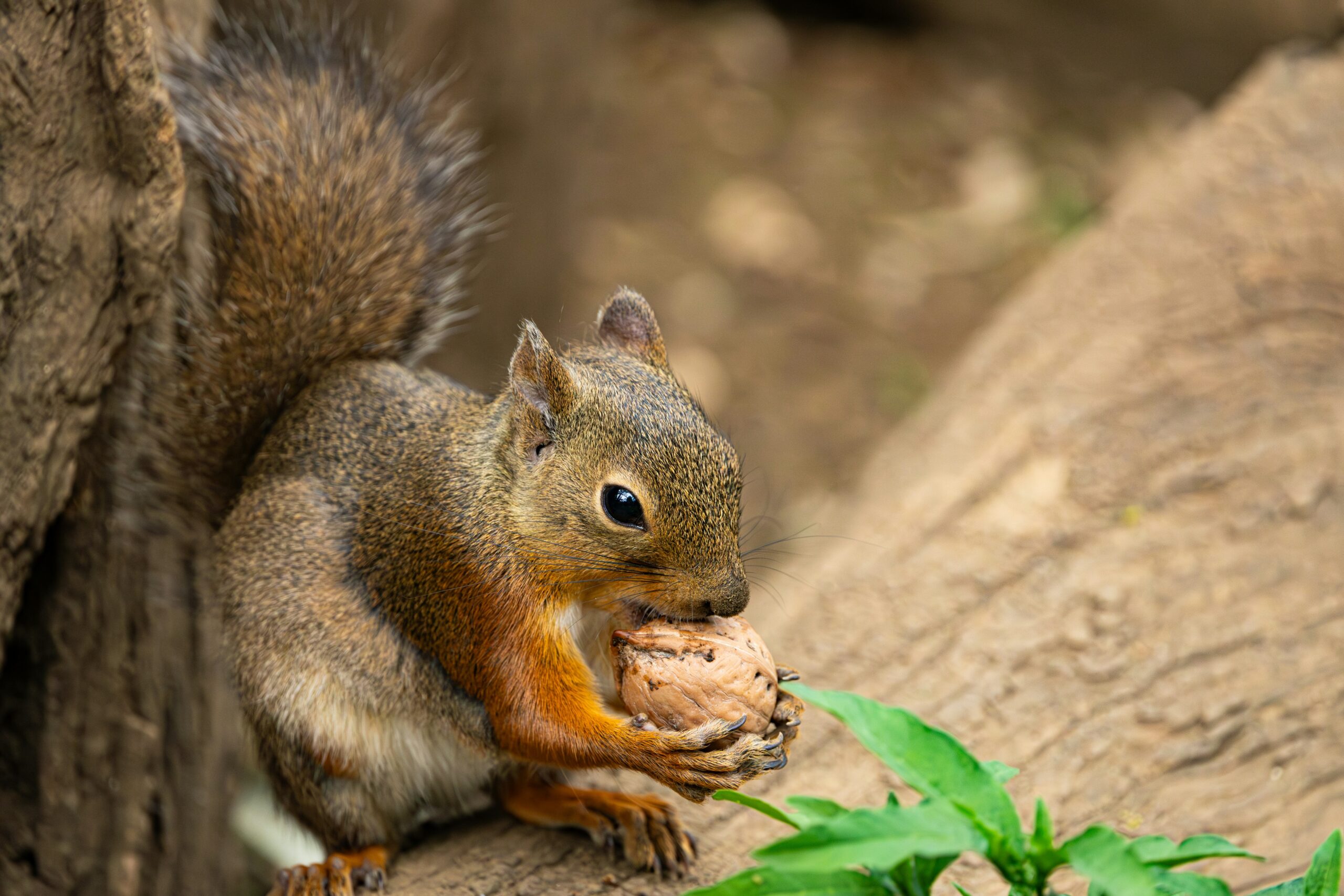
If you’ve ever sat by a window or stepped outside and noticed squirrels running around your yard while a neighbor’s yard stays strangely quiet, you’re not alone. Some yards just seem to attract way more squirrel visitors than others. It might leave you wondering why these little creatures have picked one spot over another. The truth is, squirrels aren’t random in their choices. They follow instincts, needs, and habits that make some places much more appealing than others.
This blog digs deep into the reasons why certain yards become squirrel hotspots while others hardly get noticed. And yes, from my own personal experience, I’ve seen how simple changes in food, shelter, and even layout can completely change how often squirrels show up. Let’s break it all down so you can finally understand why your yard may (or may not) be squirrel central.
Food Is the First Attraction
Squirrels are motivated by food more than anything else. If a yard provides an easy, reliable source of meals, expect to see more of them hanging around.
Nut trees like oaks, hickories, and walnuts act as magnets. They drop a steady supply of food during certain seasons, and squirrels know exactly when to show up. Even if a tree is in a neighbor’s yard, squirrels will travel to wherever the food is easiest to reach.
Bird feeders also play a major role. If you keep one outside, chances are squirrels see it as an open buffet. They’ll risk climbing poles, leaping across branches, and even hanging upside down just to get a taste of the seeds.
Then there are the smaller things, fallen fruits, leftover bread crumbs, or even dog food left outside. Squirrels are opportunists. They don’t waste chances, and a single reliable food source can be enough to turn your yard into a squirrel hangout.
Shelter Matters Just as Much
It’s not only about eating. Squirrels also need safe places to rest, hide, and build nests.
Trees with thick branches give squirrels perfect spots to build their leafy homes. These nests, called dreys, are usually tucked into forks of branches where they can stay hidden and stable. If your yard has tall, mature trees, squirrels feel secure making themselves at home.
Shrubs, dense bushes, and even woodpiles provide cover. They give squirrels a place to dart into when they sense danger. Yards without shelter can feel too exposed, so squirrels will avoid them, even if food is available.
Sometimes, human structures like attics, sheds, and garages also come into play. Squirrels love exploring small openings. If they find a way in, they might turn a corner of your home into their personal shelter.
Water Sources Make a Difference
Like all animals, squirrels need water. If your yard has a birdbath, pond, or even a dripping hose, that’s a big plus for them.
Squirrels aren’t always traveling long distances for water. They prefer yards that make life easy. A simple water source nearby can be the difference between a quick visit and a full-time stay.
Even things like morning dew on plants or rain puddles can make a yard more appealing. It’s all about availability.
Safety From Predators
Yards that feel safe naturally attract more squirrels. Predators like hawks, owls, snakes, and even outdoor cats can scare them away.
If your yard has plenty of trees and overhead cover, squirrels feel safer moving around. Open yards with little cover make them easy targets. That’s why you’ll notice more squirrels in wooded or tree-filled spaces than in open, flat lawns.
Another factor is noise and activity. Loud dogs, constant human movement, or construction noises make squirrels cautious. They’ll avoid places where they don’t feel calm.
Seasonal Shifts
The number of squirrels in your yard can also change depending on the time of year.
In fall, squirrels are everywhere. They’re collecting nuts, seeds, and other foods to stash away for winter. If your yard provides good storage spots, like loose soil or hidden corners, you’ll notice them digging and hiding things.
In winter, activity slows down. You might see fewer squirrels since they’re conserving energy and relying on stored food. Still, a yard with evergreen trees or bird feeders will continue to attract some.
Spring and summer bring different behaviors. Squirrels raise their young in spring, so yards with safe nesting spaces see more activity. In summer, food is easier to find, and water sources become critical during hot days.
Competition With Neighbors
Sometimes it’s not just about what’s in your yard, it’s about what’s around it.
If a neighbor has a massive oak tree, squirrels may naturally gather there more often. If another neighbor keeps a bird feeder stocked year-round, squirrels will remember that.
Squirrels are smart enough to compare options. They’ll go where effort is lowest and rewards are highest. If your yard offers food, shelter, and safety at the same time, you’ll see more of them compared to a yard that’s bare or busy.
Landscaping and Yard Design
Believe it or not, the way a yard is designed can change how many squirrels appear.
Yards with open lawns, little cover, and trimmed trees are less attractive. On the other hand, yards with varied layers—tall trees, mid-sized shrubs, and ground plants, are much more inviting. This setup mimics a natural woodland, which is exactly where squirrels thrive.
The presence of certain plants also matters. Fruit-bearing trees, berry bushes, and nut plants provide both food and cover. Even a garden with vegetables can attract them, especially corn or sunflower patches.
Human Habits Play a Role
Sometimes it’s not about the yard itself but the way people use it.
If you leave food outside, throw bread crumbs to birds, or keep pet food outdoors, squirrels notice. If you chase squirrels away often, they’ll learn your yard isn’t worth the risk.
Yards where people sit quietly, enjoy coffee outside, or let nature be tend to feel less threatening. Squirrels get used to human presence if it doesn’t feel dangerous. Over time, they may even act boldly around people, running close or grabbing food right from a feeder.
Climate and Location
Where you live also affects how many squirrels you see. Some regions naturally have higher squirrel populations than others. For example, wooded suburban areas usually have more squirrels than downtown city blocks with little greenery.
Climate shifts, too. Harsh winters reduce squirrel numbers, while mild conditions allow populations to thrive. If your area has had a mild season, you’ll likely see more squirrels exploring yards.
Why One Yard Stands Out Over Another
When you add it all up, a yard that combines food, shelter, water, and safety will always win more squirrel visits. Even small differences can matter, a single oak tree, a quiet birdbath, or a patch of dense shrubs could make your yard stand out compared to a neighbor’s.
From my own personal experience, I noticed that after adding a bird feeder and planting berry bushes, the number of squirrels in my yard almost doubled. It was like an open invitation for them to return every day.
Final Thoughts
Squirrels aren’t random. They follow clear needs, food, safety, shelter, and comfort. If your yard checks more of these boxes, you’ll naturally see more of them. If you rarely see squirrels, it doesn’t mean they’ve disappeared from your area. It just means another yard nearby has a stronger pull.
Whether you love watching them leap from branch to branch or you see them as tiny troublemakers, understanding why they pick certain yards helps make sense of their patterns. At the end of the day, squirrels are just trying to survive in the easiest way possible, and sometimes that means your yard becomes their favorite stop.