
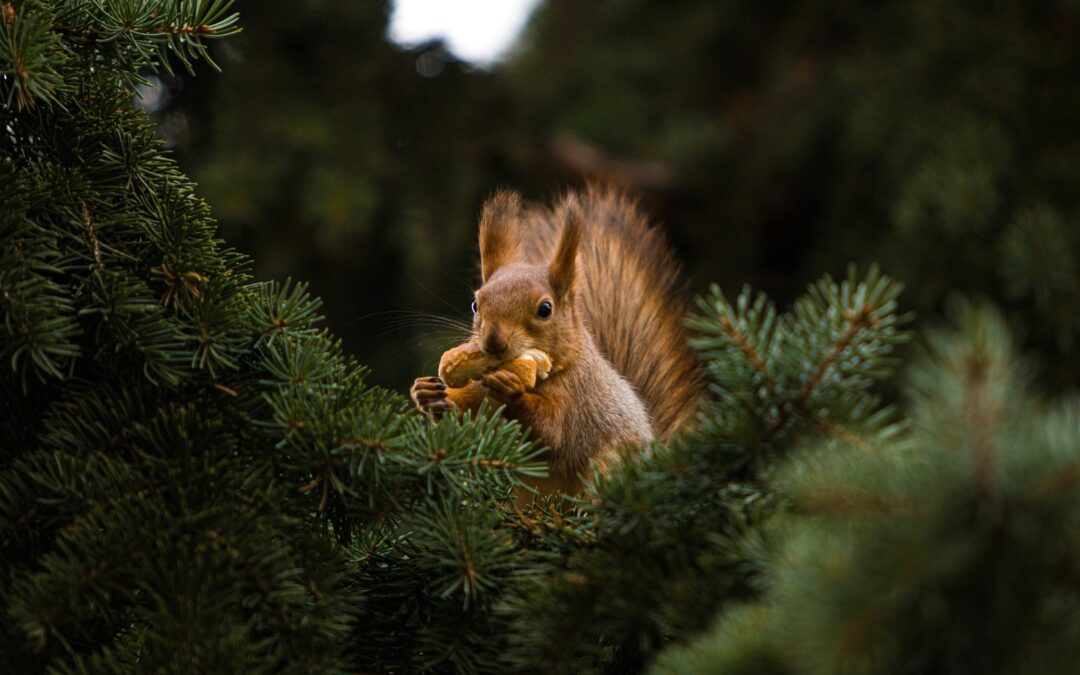
You’ve probably seen it before: a squirrel darting across a park bench, not after an acorn but after the sandwich someone left behind. It’s funny, a little cheeky, and at times even frustrating. But why do squirrels go after human food anyway? The answer is layered, and it’s not just about them being greedy.
From my own personal experience, I’ve seen squirrels get bold enough to snatch chips straight from a bag while ignoring nearby nuts on the ground. That’s when I realized that their attraction to our food is way deeper than a random habit, it’s a mix of instinct, opportunity, and adaptation.
Let’s break down this behavior in detail, explore the science behind it, and look at how squirrels adjust to living so close to people. You’ll see that these small, fluffy creatures are more strategic than they appear.
The Natural Diet of Squirrels
Before digging into why they chase after human snacks, it helps to know what squirrels usually eat in the wild. Squirrels are natural foragers. Their typical diet includes nuts, seeds, berries, fruits, buds, and fungi. They’re also known to nibble on tree bark or dig up roots if food is scarce.
Their diet shifts with the seasons. In autumn, they gather and store acorns, walnuts, and hazelnuts. During spring and summer, they look for fresh greens, berries, and insects. The key point is this: squirrels eat what’s available, and they’re flexible enough to survive on different food sources. That flexibility is exactly what makes them drawn to human food when the chance shows up.
The Curiosity Factor
Squirrels are naturally curious animals. You’ve seen them tilt their heads, sniff around, and dig through leaves for hidden treasures. When they encounter human food, their curiosity kicks in first. They don’t see our sandwiches or chips as “fast food” the way we do, they just see an opportunity to test something new.
This behavior is partly survival-driven. In the wild, trying new food sources can be the difference between going hungry and staying alive. Human environments offer an endless buffet of smells and textures. That curiosity often leads them to explore, and if they find it tasty or easy to access, they’ll come back for more.
The Calorie Jackpot
Human food is calorie-dense. A single piece of bread or a handful of fries offers way more energy than a small nut or berry. For a small creature that burns a lot of energy climbing, running, and escaping predators, that’s a jackpot.
Squirrels don’t think in terms of carbs or fats, but their instincts push them toward food that gives quick energy. Bread, chips, popcorn, and other snacks are basically a concentrated fuel source for them. That explains why a squirrel might ignore a pile of acorns to chase down your leftover pizza crust.
The Convenience Factor
Foraging in the wild takes effort. Digging, climbing, and cracking shells all burn energy. Human food, on the other hand, is often just sitting there waiting to be grabbed. Whether it’s trash cans, picnic tables, or even people feeding them on purpose, squirrels have learned that our food is easier to get.
This is where opportunity meets intelligence. Squirrels are quick learners. Once they realize humans leave food behind regularly, they start associating people and human spaces with easy meals. It’s less about them being pests and more about them being opportunists.
Adaptation to Urban Life
Squirrels that live in cities or suburban areas have adapted differently compared to their forest-dwelling relatives. In natural habitats, their diet is still mostly nuts, seeds, and plants. But in urban environments, human food often makes up a significant part of their intake.
Think about it. City parks, playgrounds, outdoor cafes—all of these places expose squirrels to a steady supply of snacks. Over time, urban squirrels become bolder, more accustomed to people, and more likely to approach food that isn’t “theirs.”
The Role of Smell
Squirrels have a sharp sense of smell, and human food is often loaded with aromas. Fast food, fried snacks, sweet desserts, they all release strong smells that can travel far. What might smell normal to us can be extremely attractive to an animal with a sensitive nose.
For example, the smell of roasted peanuts in a snack bag isn’t that different from natural nuts. The difference is that it’s easier to access and more flavorful, making it even more tempting. Their keen sense of smell guides them toward human leftovers with impressive accuracy.
Curiosity Meets Memory
Squirrels are not just curious, they’re also great at remembering where food sources are. If a squirrel finds breadcrumbs near a picnic bench once, it will check back again and again. Over time, this memory-based behavior creates patterns where they associate human presence with guaranteed meals.
That’s why you’ll often see them hanging around outdoor dining spots or playgrounds. They’re not there by chance. They remember the spots that pay off.
Influence of Human Behavior
You can’t ignore the role of people in this. Many times, squirrels don’t just “find” human food, they’re given it. People think it’s cute or harmless to feed squirrels. But that simple act teaches them that humans = food. Once they learn this, they keep coming back, and they pass the behavior along to younger squirrels by example.
Feeding squirrels chips or cookies might feel kind, but it actually shifts their natural habits. It makes them more dependent on human food and less interested in their natural diet. That’s one of the biggest reasons squirrels are so focused on our meals today.
Nutritional Attraction
Human food isn’t always healthy for squirrels, but some of it contains flavors or nutrients they crave. For example, salty foods attract them because sodium isn’t always easy to get in nature. Sweet foods, like fruits or desserts, appeal because squirrels already have a natural sweet tooth from eating berries.
So while not every human food is good for them, their instincts push them to eat what tastes rewarding or fills a gap in their diet.
Survival Pressure
At the end of the day, survival is the core reason behind this behavior. Food scarcity, especially in colder seasons, drives squirrels to seek alternative sources. If they can’t find enough nuts or seeds, they’ll go after anything edible. Human food is plentiful and often left unguarded, making it an easy survival strategy.
Based on my overall experience observing squirrels in both city parks and wooded areas, I’ve noticed they shift their behavior depending on food availability. When nuts are scarce, they become more aggressive around trash bins and picnic spots. That adaptability ensures they don’t go hungry, even if it means eating food that wasn’t part of their natural diet.
The Boldness Factor
Have you noticed squirrels in cities are braver than those in forests? That’s because they’ve learned that humans aren’t usually a direct threat. In fact, humans are often food providers. This boldness pushes them to steal food directly from hands, backpacks, or even strollers.
It’s not just random courage, it’s learned behavior. Each successful attempt at stealing food makes them more confident the next time.
Why It Matters
At first glance, squirrels eating human food seems harmless or even funny. But it does raise a few concerns. First, a lot of human snacks aren’t healthy for them. Too much bread, sugar, or salt can harm their digestive systems. Second, it creates dependency, making them less interested in their natural foraging skills. Third, it changes how they interact with people, sometimes leading to aggressive food-grabbing behavior.
Understanding why squirrels go after human food helps us make better choices. It shows us that while they’re adorable and clever, they also need balance.
What You Can Do
If you’re someone who loves squirrels but doesn’t want them raiding your lunch, there are a few simple ways to handle it. Avoid feeding them directly, store your snacks in sealed containers, and dispose of trash properly. If you want to support them in a healthier way, you can provide natural foods like unsalted nuts in designated feeders.
This way, you get to enjoy watching them without encouraging bad habits.
Conclusion
So why do squirrels go after human food anyway? The reasons are pretty clear: it’s convenient, calorie-rich, and driven by both instinct and opportunity. Their curiosity, memory, and adaptability make human food an irresistible option, especially in urban environments where it’s everywhere.
From my own personal experience, I’ve seen how quickly squirrels learn to rely on us for snacks. It’s funny at first, but it’s also a reminder of how adaptable they are. Squirrels aren’t trying to be pests; they’re just playing the survival game with the tools they have.
Next time you see a squirrel eyeing your sandwich, remember it’s not just being greedy, it’s making a smart move in its own way.