
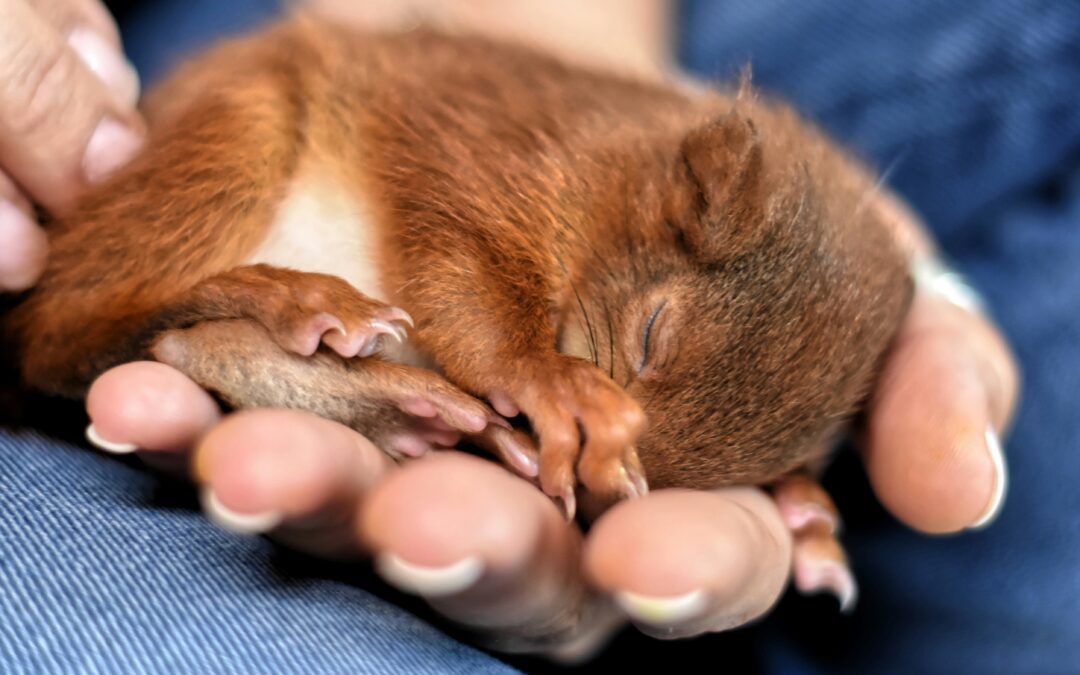
Squirrels are some of the most energetic and fascinating creatures in the wild. Seeing one dart across the yard or leap between tree branches can make anyone pause and marvel. But have you ever stopped to think about their babies? What are baby squirrels called, and how do they grow up to be those lively little creatures we see scurrying about? From my own personal experience observing wildlife, squirrels have a lot more going on than just running around and eating nuts. Their babies, in particular, are surprisingly delicate and require careful attention from their mothers. Let’s Jump deep into the world of baby squirrels and uncover everything you might want to know.
Baby Squirrels Are Called “Kits”
The term most commonly used for a baby squirrel is kit. Some people also hear them referred to as pups or cubs, depending on the species or the region. For instance, tree squirrels, which are the most common type in North America, are almost always called kits. Ground squirrels, on the other hand, can sometimes be referred to as pups, though kit is still widely understood.
A kit is born extremely vulnerable. Unlike adult squirrels, kits are blind, hairless, and completely dependent on their mothers for warmth and nourishment. They are tiny, often only weighing about 10 to 15 grams at birth. That’s roughly the weight of a few sheets of paper stacked together! Their size and fragility make them easy prey for predators if left unprotected.
The Early Life of a Kit
When kits are born, their eyes remain closed for the first few weeks. This makes sense when you think about how tree squirrels often nest in high, hidden areas, being out in the open with eyes open would be dangerous for them. During this time, kits rely entirely on their mother’s body heat and frequent feedings. Squirrel milk is rich in nutrients, designed to help these tiny creatures grow rapidly.
Around three to four weeks of age, kits begin to develop fur. It starts as a fine, soft coat and gradually becomes thicker and more like the fur seen on adult squirrels. Their eyes begin to open around the fourth week, which is an exciting milestone. This is when kits start exploring the edges of the nest, often teetering unsteadily along the branches or peeking over the sides to get a first glimpse of the world beyond.
Developmental Stages of Baby Squirrels
Understanding the growth of kits is fascinating because it happens quickly. Here’s a detailed breakdown of their stages:
- Newborn (0–2 Weeks)
At this stage, kits are entirely dependent on their mothers. They can’t see, move much, or regulate their body temperature. The mother stays close, often sleeping with them and providing warmth. - Early Infancy (2–4 Weeks)
During this period, kits start to develop fur and their eyes begin to open. They may start making squeaky noises to communicate their needs. - Juvenile (4–8 Weeks)
Kits become more active and adventurous. They begin climbing in the nest, exploring nearby branches, and practicing skills they will need to survive in the wild. They are still nursing, but some solid foods may start to appear in their diet by the seventh week. - Weaning (8–10 Weeks)
By this point, kits are beginning to eat more solid foods like nuts, fruits, and seeds. They start spending more time away from the nest and learning critical survival skills such as climbing, jumping, and foraging. - Independent Juvenile (10–12 Weeks)
Kits at this stage are almost fully independent. While mothers may still keep an eye on them occasionally, the young squirrels are ready to leave the nest and find their own territory.
Unique Facts About Baby Squirrels
Baby squirrels are more fascinating than many people realize. Here are some unique facts that might surprise you:
- Rapid Growth: Kits grow incredibly fast. In just a few months, they transform from helpless, blind babies into energetic, tree-climbing juveniles.
- Communication: Even at a young age, kits can communicate with each other and their mother through tiny squeaks and chirps.
- Nest Training: Mothers are meticulous about teaching their kits how to navigate nests safely. Some species even relocate their young if a nest is threatened.
- Diet Transition: While newborns rely entirely on milk, kits gradually adapt to the solid diet of adult squirrels, learning what is safe to eat and what isn’t.
Baby Squirrels and Their Vulnerabilities
Because baby squirrels are so fragile, they face many threats in their early life. Predators like snakes, birds of prey, and even domestic cats can pose a risk if kits are left exposed. Harsh weather conditions are also dangerous since young squirrels cannot regulate their body temperature effectively. That’s why the maternal role is critical during the first few weeks.
Interestingly, squirrels have evolved remarkable strategies to protect their young. Mothers often build nests in hard-to-reach spots like tall trees or dense foliage. Some species even create multiple nests, moving their kits if a predator discovers the original location.
Common Misconceptions About Baby Squirrels
There are a few misconceptions about baby squirrels that often confuse people:
- All Baby Squirrels Have Bushy Tails: In reality, kits are born without fully developed tails. Their tails grow over time and only become bushy and functional as they mature.
- Kits Can Survive Alone Early On: Many people think kits can survive if found on the ground, but they are highly dependent on their mothers. Removing them prematurely from the nest can be fatal.
- They Eat Nuts Immediately: Kits only start to eat nuts after weaning. Initially, their diet is entirely milk-based.
How to Help Baby Squirrels
If you ever find a baby squirrel that seems abandoned, it’s essential to handle the situation carefully. From my own personal experience, the best approach is usually to contact a licensed wildlife rehabilitator. Attempting to feed or care for a kit without proper knowledge can do more harm than good. A few guidelines include:
- Check the Nest: Sometimes, kits are temporarily separated from their mother but aren’t truly abandoned. Observe for a few hours from a distance.
- Keep Warm: If the kit is in danger, gently place it in a warm box lined with soft fabric. Avoid using heating pads directly.
- Do Not Feed Cow’s Milk: Baby squirrels require specialized milk replacers. Cow’s milk can be fatal.
- Contact Experts: Wildlife rehabilitators have the training to care for and eventually release the squirrels back into the wild safely.
Fun Facts About Squirrel Families
Squirrels are social creatures in certain contexts, and their family dynamics are intriguing. Here’s what makes them even more interesting:
- Sibling Interaction: Kits often interact with their siblings, practicing climbing and social behaviors that help them survive as adults.
- Multiple Litters: Some squirrel species can have more than one litter per year, making spring and summer particularly busy for mothers.
- Maternal Care: Mother squirrels are highly protective, often risking their own safety to keep kits safe.
Baby Squirrel Names in Different Cultures
Interestingly, baby squirrels have different names in various regions. While “kit” is the most common term in North America, some cultures have unique names or colloquial terms. For example, in parts of Europe, the term “squirrel pup” is used, while in Australia, some people refer to them simply as “young squirrels.” Regardless of what they’re called, the biology and growth patterns remain remarkably similar.
Observing Baby Squirrels in Nature
Watching kits grow can be a magical experience. If you have a backyard with trees or live near a wooded area, you might notice nests being built in the spring. Observing from a safe distance can be educational and rewarding. Here are some things you might notice:
- Kits learning to balance on branches
- Siblings play-fighting as part of their skill-building
- Mothers bringing food to the nest frequently
- Gradual transition from nest-bound activity to independent exploration
These observations are not only cute but also give insights into the development of wildlife.
Conclusion
Baby squirrels, or kits, are incredible creatures that start life completely dependent on their mothers and grow into agile, clever animals. Their journey from hairless, blind newborns to independent tree climbers is fascinating and full of challenges. From my own personal experience, witnessing a kit’s first steps outside the nest or seeing them start to explore their surroundings is truly remarkable.
Understanding what baby squirrels are called, their growth stages, and how to care for them responsibly can make anyone appreciate these small creatures even more. Whether in a backyard, a park, or deeper in the forest, kits remind us how delicate and resilient nature can be at the same time.
Next time a squirrel scurries past, take a moment to imagine the tiny kits that might be hiding in the nest, learning and growing under the careful watch of their mother. Their lives may be brief and delicate, but they are an essential part of the ecosystem and a charming example of wildlife’s wonder.