
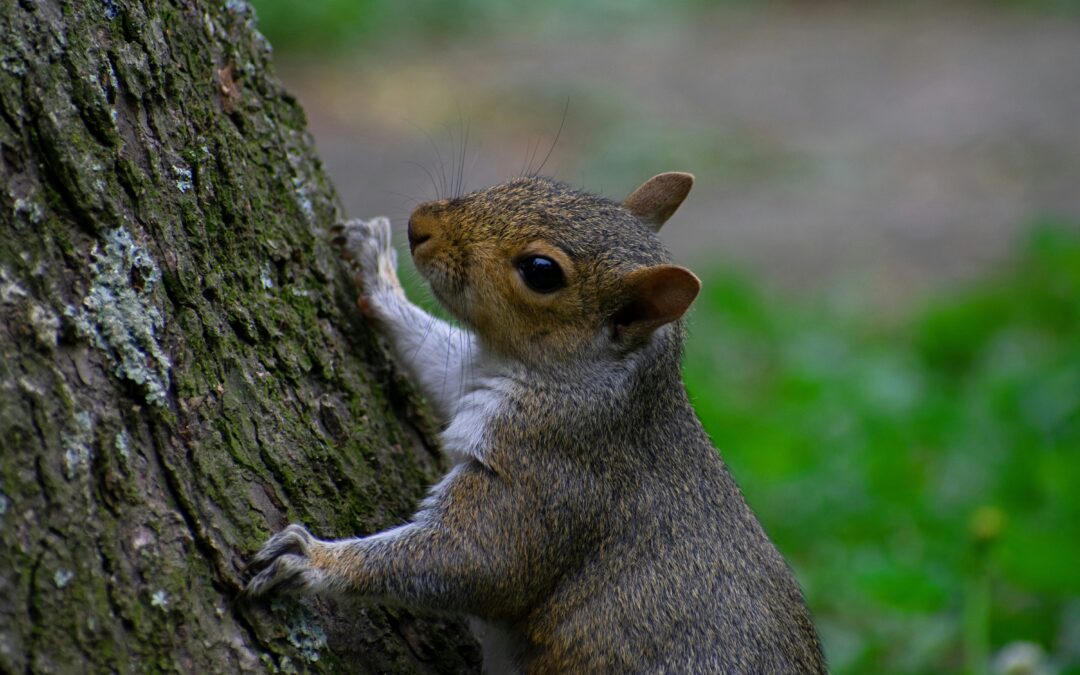
If you’ve ever wondered about hunting squirrels in Georgia, you’re in the right place. Squirrels are not just a fun species to observe in the wild, they’re also a popular game animal for hunters across the state. But before grabbing your hunting gear, it’s important to know when squirrel season actually opens, what the rules are, and how to make the most of your hunting experience. From my own personal experience, understanding the regulations, habits, and habitats of squirrels can make your outdoor trips far more enjoyable and successful.
Let’s Understand the Georgia’s Squirrel Season First
In Georgia, squirrel hunting is strictly regulated to ensure healthy populations and a sustainable hunting tradition. The Georgia Department of Natural Resources (DNR) sets the specific dates for both spring and fall hunting seasons. Typically, the squirrel season is divided into two main parts: the fall/winter season and the spring season.
The fall/winter season usually opens in late October and runs through late February. This is the prime time for hunting, as squirrels have been busy gathering food throughout the summer and are more predictable in their movements. Fall hunting is ideal because the squirrels’ fur is thicker, and the cool weather makes for comfortable outdoor conditions.
The spring season generally occurs from April through May. This is shorter than the fall/winter season, but it offers an opportunity for hunters who might have missed the fall season or want to enjoy a springtime hunt. Spring hunting can be trickier, though, because squirrels are more scattered as they forage and raise their young.
Legal Requirements for Squirrel Hunting
Before heading into the woods, it’s crucial to know the legal requirements. In Georgia, anyone hunting squirrels must have a valid hunting license. Residents and non-residents alike need to obtain proper licenses, and hunters under a certain age may qualify for youth or mentored hunting programs.
It’s also important to be aware of the bag limits. Georgia law typically allows hunters to take up to eight squirrels per day on public lands, though this can vary depending on the specific wildlife management area. Exceeding these limits can lead to fines or revocation of hunting privileges.
Gear and Preparation for Squirrel Season
Squirrel hunting might seem simple at first glance, but having the right gear can make a big difference. Based on my overall experience, a few items are essential:
- Firearms or Bows: Many hunters prefer a .22 caliber rifle or a shotgun with small shot. Archery enthusiasts can also pursue squirrels with bows, though this requires more precision.
- Ammunition: Small, accurate rounds work best for squirrels, as overpowered shots can damage the meat.
- Clothing: Camouflage clothing helps you blend into the forest environment. It’s also wise to wear layers in colder months, as squirrel season can coincide with chilly weather.
- Climbing Gear: Some hunters use tree stands or ladders to gain a better vantage point. Squirrels spend a lot of time in the trees, so being above ground can improve your chances.
- Hunting Dogs: While optional, some hunters train dogs to locate and retrieve squirrels.
Best Practices for Hunting Squirrels
Success in squirrel hunting often comes down to strategy. Here are some tips that can increase your chances:
- Know Their Habits: Squirrels are most active in the early morning and late afternoon. Plan hunts around these peak times for better results.
- Focus on Oak and Hickory Trees: These trees provide acorns and nuts, which attract squirrels. Positioning yourself near these food sources increases the likelihood of spotting one.
- Use Calls: Squirrel calls mimic sounds of other squirrels and can lure them closer. From my own personal experience, using a simple bark or chatter call can sometimes draw squirrels into range within minutes.
- Stay Quiet and Patient: Movement and noise can scare squirrels away quickly. Remaining still and patient is key.
Differences Between Grey and Fox Squirrels
In Georgia, you’ll most commonly encounter two types of squirrels: grey squirrels and fox squirrels. Both are legal to hunt, but they have slightly different behaviors and habitats:
- Grey Squirrels: These are the most abundant and prefer hardwood forests. They’re agile and quick, often darting from tree to tree.
- Fox Squirrels: Larger than grey squirrels, fox squirrels prefer open woods or forest edges. They can be easier to spot due to their size but may require more patience to hunt successfully.
Cooking and Using Squirrel Meat
One of the main rewards of squirrel hunting is the meat. Squirrel meat is lean, flavorful, and versatile in cooking. Popular preparations include frying, stewing, or slow-cooking in a savory broth. Many hunters also use squirrel meat in traditional Southern recipes, pairing it with cornbread, vegetables, or even grits.
When preparing squirrel meat, it’s important to clean and dress the animal properly. Remove the skin, carefully clean the cavity, and cook the meat thoroughly to avoid any potential contamination.
Conservation and Ethical Hunting
Hunting squirrels responsibly helps maintain a balanced ecosystem. Georgia wildlife officials encourage hunters to follow ethical guidelines, which include:
- Following Bag Limits: Only take what you need and follow daily limits.
- Respecting Private Property: Always get permission if hunting on private lands.
- Avoiding Waste: Use the meat from every hunted squirrel rather than letting it go to waste.
- Supporting Wildlife Programs: Many hunters contribute to conservation efforts through licensing fees and volunteer work, helping to sustain healthy squirrel populations for future seasons.
Squirrel Hunting on Public vs. Private Land
Hunting on public lands like wildlife management areas (WMAs) is popular because these areas are accessible and often well-managed. However, public land can be crowded, especially during peak season. On the other hand, private land often offers more space, better squirrel densities, and a quieter hunting experience—but always make sure to secure permission from the landowner.
Tips for Beginner Squirrel Hunters
If you’re new to hunting, squirrel season in Georgia can feel overwhelming. Here are a few beginner-friendly strategies:
- Start small. Focus on one or two trees instead of wandering the woods.
- Practice shooting accuracy. A missed shot can harm the animal unnecessarily.
- Observe before hunting. Watch squirrel movement patterns for a few days to learn their favorite spots.
- Join local hunting clubs. Networking with experienced hunters can offer valuable insights.
When to Hunt for Maximum Success
While the season dates set the legal boundaries, knowing the optimal conditions for hunting can improve success. Cooler mornings, crisp fall weather, and areas with abundant nut-producing trees usually yield better results. In addition, early morning hunts often work better than afternoon hunts, especially in the fall.
Fun Facts About Georgia Squirrels
Understanding the animal itself can add enjoyment to the hunt. Some fun facts include:
- Squirrels can leap up to 10 feet between trees.
- They have excellent memory, remembering the location of hundreds of buried nuts.
- Grey squirrels are social animals, often gathering in groups.
Knowing these traits can help hunters predict squirrel behavior and increase the chance of a successful outing.
Common Mistakes to Avoid
Even experienced hunters make mistakes. Avoid these common errors:
- Ignoring Local Regulations: Always check the latest rules from the Georgia DNR before heading out.
- Being Noisy: Squirrels are sensitive to sound and can easily flee.
- Hunting Alone: While possible, having a partner adds safety and can make tracking easier.
- Not Dressing Appropriately: Georgia weather can be unpredictable—be prepared for rain, cold, or heat.
Squirrel Hunting Beyond the Season
Even if you can’t hunt squirrels during the legal season, there are plenty of ways to enjoy these animals year-round. Feeding stations, wildlife observation, and photography are all rewarding ways to connect with nature. Learning squirrel habits and habitats also improves hunting strategies for the next season.
Final Thoughts
Squirrel season in Georgia offers an exciting mix of outdoor adventure, wildlife observation, and culinary reward. From selecting the right gear to understanding squirrel habits, preparation is key. Ethical hunting ensures sustainable populations for years to come, while following the rules keeps your experience safe and enjoyable.
Whether you’re a seasoned hunter or a beginner exploring the outdoors, knowing the season dates, proper techniques, and strategies can make your trips both successful and enjoyable. From my own personal experience, taking the time to understand squirrel behavior, habitat, and the nuances of hunting in Georgia makes all the difference between an average day in the woods and an unforgettable hunting experience.