
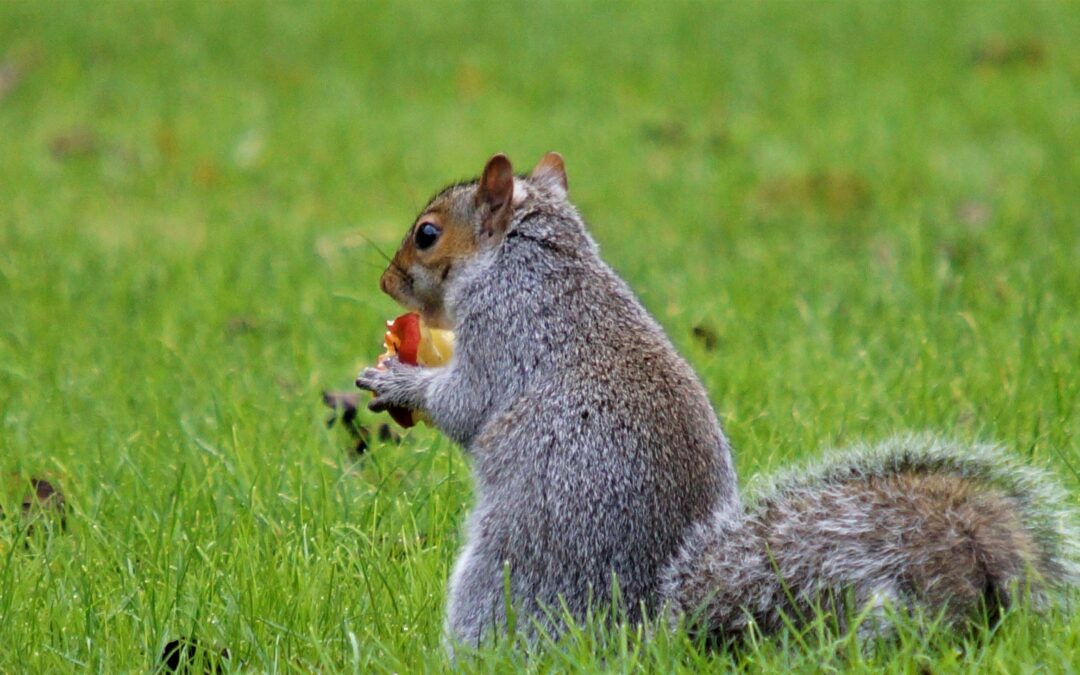
Dogs are curious, playful, and full of energy. The moment a squirrel dashes across the yard, you already know what happens next, your dog bolts after it with excitement. The chase looks fun, and at first glance, it feels like nothing more than entertainment for both. But many dog owners pause and wonder: are squirrels dangerous for dogs?
This question matters more than you might think. While squirrels may look harmless, the interaction between dogs and squirrels can raise several concerns, ranging from physical injuries to health risks. This guide dives deep into what actually happens when dogs chase, catch, or interact with squirrels, and whether you should be worried.
Why Do Dogs Chase Squirrels?
Dogs have natural instincts that trace back to their wild ancestors. Squirrels trigger those instincts instantly. The quick, darting movements of squirrels light up a dog’s prey drive. Even well-trained dogs often lose control when a squirrel is in sight.
- Prey Drive Instinct – Many dog breeds were developed for hunting or herding. Squirrels resemble prey, so dogs instinctively give chase.
- Playful Curiosity – Some dogs don’t want to harm squirrels. They simply see the chase as a fun game.
- Territorial Response – Dogs are protective of their yards. A squirrel climbing across a fence may feel like an intruder, triggering barking and chasing.
From my own personal experience, I’ve seen dogs completely ignore toys but lose their minds over a single squirrel in the yard. It’s instinct over logic every single time.
Are Squirrels Dangerous to Dogs?
The short answer: squirrels aren’t usually directly dangerous to dogs. However, there are specific risks that owners should not ignore.
1. Bites and Scratches
Squirrels have sharp teeth and claws. If a dog manages to catch one, the squirrel will fight back. Even a small bite can cause pain and bleeding. Worse, bites may lead to infections if untreated.
2. Disease Transmission
While squirrels rarely transmit diseases to dogs, the possibility exists. Concerns include:
- Leptospirosis (from squirrel urine in water or soil)
- Salmonella (through feces or contaminated areas)
- Ticks and Fleas (which squirrels often carry and can pass to dogs)
It’s important to note that rabies in squirrels is extremely rare, but some regions still list it as a theoretical risk.
3. Parasites
Squirrels often carry fleas, ticks, or mites. If your dog catches or rolls where squirrels have been, parasites may transfer. Tick-borne illnesses can be serious for dogs if untreated.
4. Choking Hazards
Sometimes dogs don’t just chase squirrels—they may grab and try to eat them. Bones, fur, or claws can cause choking or intestinal blockages.
5. Stress and Overexertion
The chase itself can be physically risky. Dogs may run into traffic, fences, or sharp objects during pursuit. Excited chasing can lead to pulled muscles or heat exhaustion, especially in hot weather.
Do Dogs Really Want to Kill Squirrels?
Not always. Some dogs chase for the thrill, while others do aim to catch and kill. It depends on breed, training, and personality.
- Hunting breeds like terriers, retrievers, and hounds are more likely to catch squirrels if given the chance.
- Companion breeds may just enjoy the sprint without serious intent.
- Older or calmer dogs often lose interest faster.
The danger lies in the unpredictability, if your dog catches a squirrel, the outcome is never guaranteed.
What Happens If a Dog Catches a Squirrel?
If your dog actually catches a squirrel, you should act quickly:
- Separate them safely. Avoid grabbing the squirrel directly; distract your dog with a command or treat.
- Check for bites or scratches. Even a tiny wound can be risky.
- Clean and disinfect the wound. Use mild antiseptic before heading to the vet.
- Visit the vet immediately. Your vet can check for infections, parasites, or signs of illness.
Are Squirrels Aggressive Toward Dogs?
Squirrels generally run from dogs, not attack them. However, when cornered, they can turn aggressive in self-defense. Expect clawing, biting, and loud chattering. This reaction can surprise dogs and lead to injuries.
Can Dogs Get Sick from Squirrels?
The likelihood is low but possible. The main health risks include:
- Bacterial infections from bites or contaminated soil.
- Parasite infestations such as fleas and ticks.
- Rare viral exposure like rabies, though uncommon.
While most healthy dogs won’t get seriously sick, puppies, seniors, or immune-compromised dogs face higher risks.
Preventing Dog-Squirrel Problems
As an owner, you can take steps to reduce squirrel-related dangers:
- Supervise outdoor play. Keep an eye on dogs in yards with active squirrel populations.
- Leash walks. A leash prevents dogs from darting into traffic or climbing fences after squirrels.
- Fence upgrades. Solid fences reduce squirrel entry, though they’re hard to keep out entirely.
- Training commands. Teaching “leave it” or recall commands can redirect your dog during a chase.
- Parasite prevention. Regular flea and tick treatments protect against infestations.
Should You Let Your Dog Chase Squirrels?
It depends. For some dogs, chasing is just healthy exercise as long as they don’t catch the squirrel. For others, the chase leads to danger.
Ask yourself:
- Does my dog have strong recall?
- Is the area safe from cars, fences, or hazards?
- Has my dog shown aggressive intent toward wildlife?
If the answers raise concerns, it’s better to redirect play with toys or structured activities.
Alternatives to Squirrel Chasing
Dogs need outlets for energy. Instead of constant squirrel chases, try:
- Fetch or frisbee in a safe yard.
- Agility training for mental and physical stimulation.
- Puzzle toys that keep your dog engaged indoors.
- Playdates with other dogs to burn energy socially.
This way, dogs still satisfy their instincts without the risks that come from wild animal encounters.
Real-Life Scenarios with Dogs and Squirrels
Based on my overall experience with pets, most dogs never actually catch squirrels. The chase is usually too quick, and squirrels escape to trees. However, there are exceptions:
- A small terrier once caught a squirrel in my neighbor’s yard. The squirrel bit the dog’s muzzle, leaving puncture wounds that needed antibiotics.
- Another case involved a Labrador that cornered a squirrel against a fence. The dog didn’t get hurt but ended up with fleas afterward.
- On the positive side, I’ve seen dogs chase squirrels daily without ever catching them, burning off tons of energy safely.
These real-life examples show that while danger exists, it often depends on the outcome of the chase.
The Bigger Picture: Dogs and Wildlife
Dogs and wildlife interactions are natural but not always safe. Beyond squirrels, dogs may encounter raccoons, rabbits, or even snakes depending on your region. The key lesson: supervision protects your dog from unexpected harm.
Final Thoughts
Squirrels may look harmless, but for dogs, they present a mix of fun and risk. While most encounters end in harmless chases, the possibility of bites, parasites, or injuries makes it worth paying attention.
As a responsible dog owner, your job isn’t to stop your dog’s instincts but to manage them. Letting your dog enjoy outdoor play is important, but keeping safety in mind ensures those playful squirrel chases don’t lead to trouble.
So, are squirrels dangerous for dogs? Not always, but they can be. With awareness and prevention, you can make sure your dog stays safe, healthy, and happy while still enjoying the thrill of the chase.