
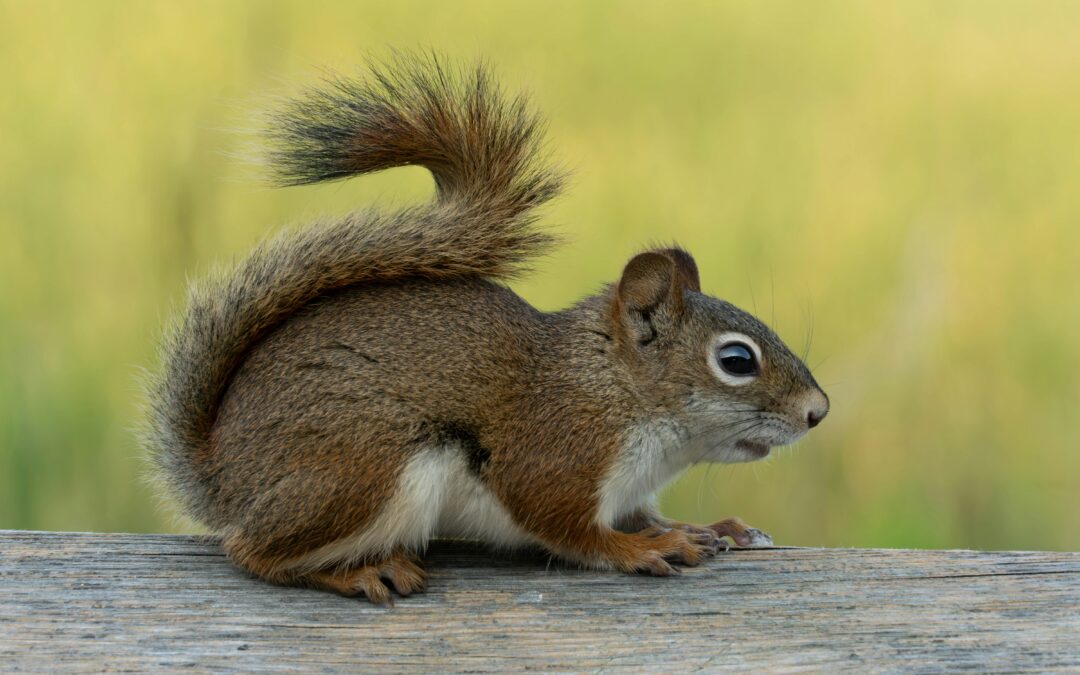
Peach trees are beautiful and rewarding, but if you have ever planted one, you know the struggle is real. Squirrels see those juicy peaches as their personal buffet. They will climb, nibble, and strip your tree before you even get the chance to taste the first bite. Protecting peach trees from squirrels takes patience, creativity, and persistence. From my own personal experience, I can tell you that once squirrels know your tree produces fruit, they will keep coming back unless you take real steps to block them.
This guide walks you through everything you need to know about keeping squirrels away from your peach trees. You’ll learn why they go after your fruit, the signs that squirrels are raiding your tree, and most importantly, practical strategies to stop them.
Why Squirrels Love Peach Trees
Peaches are naturally sweet, juicy, and soft. For a squirrel, that’s the perfect meal. Unlike nuts or acorns, which they need to work hard to crack open, a peach is easy to bite into. Not only does it hydrate them during hot summer days, but it also gives them energy. That’s why once a squirrel finds a peach tree, it will come back daily until the fruit is gone.
Another reason squirrels target peach trees is accessibility. These trees often have low-hanging branches that make it easy for squirrels to leap from nearby fences, rooftops, or other trees. Squirrels are also skilled climbers, so even a tall tree with smooth bark won’t stop them.
Signs Squirrels Are Eating Your Peaches
Before jumping into protection methods, you need to confirm that squirrels are the ones stealing your fruit. Here are clear signs to look for:
- Half-eaten peaches lying on the ground. Squirrels rarely finish the entire fruit. They’ll take a few bites, drop it, and move on to the next one.
- Missing fruit high in the tree. If peaches disappear from branches you can’t reach, squirrels are likely the culprits.
- Small teeth marks around the pit or flesh. The bites are usually ragged and irregular, unlike birds, which leave pecks.
- Activity in the early morning or late afternoon. Squirrels are most active at these times, so you may spot them climbing your tree.
Once you’re sure squirrels are the problem, you can start building your defense.
Physical Barriers to Protect Peach Trees
One of the most effective ways to protect peach trees is by creating barriers. These methods focus on blocking access so squirrels cannot climb, jump, or reach your peaches.
Tree Guards
Installing a tree guard around the trunk is a classic method. Use a sheet of metal or heavy plastic, about two to three feet tall, wrapped tightly around the trunk. This makes the surface too slippery for squirrels to climb. Make sure the guard starts a few inches above the soil, or squirrels will dig underneath it.
Netting
Fruit tree netting is another popular choice. You can cover the entire tree with a fine mesh net that keeps squirrels from reaching the fruit. The trick is to secure the net tightly at the base so they can’t sneak underneath. Some people find netting annoying to manage, but it’s effective if you only use it during fruiting season.
Fencing
If your tree is small or still young, you can place a cage-like structure around it. Hardware cloth or chicken wire works well. Build it high enough so squirrels can’t easily jump over it. This option takes effort but gives strong protection.
Repellents That Keep Squirrels Away
If physical barriers are not enough, repellents can add another layer of defense. These can be natural, homemade, or store-bought.
Spicy Sprays
Squirrels hate the taste of hot peppers. Mixing water with cayenne pepper or hot sauce creates a spray you can apply directly on the peaches or tree branches. Just remember to reapply after rain.
Predator Scents
Squirrels are prey animals, so they avoid areas where predators might be. Products with fox urine or coyote scent can scare them away. You can spray it near the tree base or use soaked cotton balls.
Homemade Mixes
Some gardeners swear by mixes of garlic, vinegar, or peppermint oil. The strong smell irritates squirrels’ senses. While these are less reliable than spicy sprays, they’re worth testing.
Scare Tactics
Sometimes, keeping squirrels away is as much about fear as it is about blocking them. These tactics won’t work alone but can be combined with barriers or repellents.
Motion-Activated Sprinklers
These devices spray water whenever they detect movement. Squirrels hate sudden sprays and usually flee. Over time, they may avoid the tree entirely.
Shiny Objects
Hanging aluminum foil strips, old CDs, or reflective tape in the branches creates movement and light flashes that scare squirrels. Wind chimes can add sound to increase the effect.
Fake Predators
Plastic owls, snakes, or hawks can work for a while. However, squirrels are smart and may figure out the decoys are fake. To keep them effective, move them around every few days.
Harvest Timing
One overlooked strategy is harvesting your peaches early. Don’t wait until every fruit is fully ripened on the tree. Instead, pick them just before they’re ripe and let them finish ripening indoors. Squirrels are far less likely to go after hard peaches compared to soft, juicy ones.
From my own personal experience, I’ve saved entire crops just by picking slightly earlier than I normally would. While it takes some practice to know the right time, this simple step often makes the biggest difference.
Long-Term Strategies
Protecting your tree for one season is good, but squirrels remember food sources. You need strategies that work long-term.
Reduce Access Points
Trim nearby branches that touch or hang close to your peach tree. Squirrels use them as bridges. If you cut off their access points, you limit their options.
Keep the Area Clean
Squirrels are attracted by food smells. If peaches drop on the ground and rot, the smell will draw them in. Clean fallen fruit daily to reduce temptation.
Diversion Feeding
Some gardeners plant an extra tree or set up feeders with corn or sunflower seeds away from their peach tree. While this might seem counterproductive, giving squirrels an easier food source can reduce their interest in your peaches.
Why Consistency Matters
No single method will work all season without effort. Squirrels are intelligent and persistent. If they discover a way past your barrier, they’ll keep exploiting it. That’s why you need consistency. Reapply repellents after rain, check your netting often, and keep the tree base clear.
Protecting peach trees is a mix of prevention and maintenance. Once you build a routine, you’ll find it much easier to keep your peaches safe year after year.
Common Mistakes to Avoid
Many gardeners make simple mistakes that let squirrels win. Avoid these if you want real success:
- Waiting too long to act. If you only try to protect your tree once the fruit is ripe, you’re too late. Start early.
- Using only one method. Squirrels adapt quickly, so combine barriers, repellents, and scare tactics.
- Forgetting the ground. Many focus only on the branches but forget that fallen peaches attract squirrels. Always clean the ground.
- Ignoring nearby trees. If you have other trees close by, squirrels may be leaping from them into your peach tree.
Wrapping It Up
Protecting peach trees from squirrels is a real challenge, but it’s not impossible. With the right mix of barriers, repellents, scare tactics, and smart harvesting, you can finally enjoy your peaches instead of watching them disappear. Based on my overall experience, the key is not giving squirrels a single chance to think your tree is their food source. Once you break their habit, they usually move on.
Growing peach trees is rewarding, and you deserve to enjoy the fruits of your work. Don’t let squirrels win the battle. Stay consistent, try different methods, and protect your harvest year after year.
So, how about you? Have squirrels ever wiped out your peaches? What tricks have you tried to stop them? Share your experience, I’d love to hear how you handled it.