
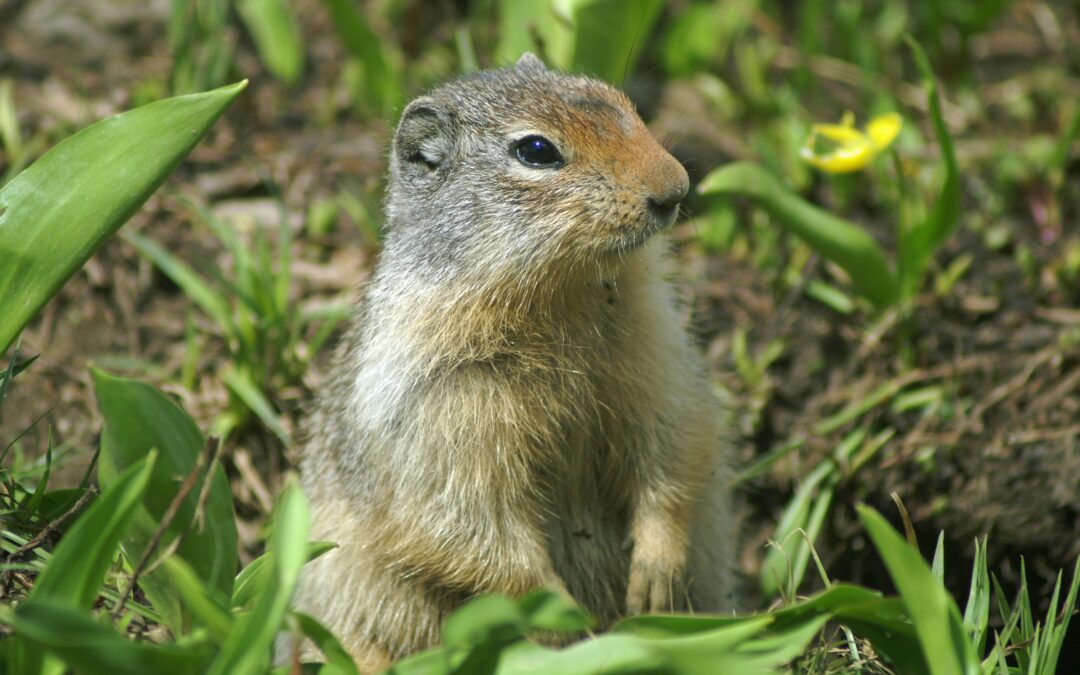
If you’ve ever walked through a yard, a park, or even near a forest, chances are you’ve spotted tiny holes scattered across the ground. The first thought that comes to mind is often, “What is digging all these holes?” In most cases, the answer is squirrels. These energetic little creatures are known for more than just darting up trees and raiding bird feeders. They have a strong habit of digging holes in the soil. From my own personal experience, I’ve watched squirrels tirelessly dig, bury, and then return to the same spots later, leaving me both amused and curious. Why do they do it? That’s what this post is all about.
Squirrels don’t dig holes for one single reason. Their behavior is a mix of instinct, survival strategies, food storage habits, and even some accidental gardening. In this blog, we’ll break down every reason why squirrels dig, how this behavior benefits them, and how it affects the environment around them. By the end, you’ll not only understand their digging habits but also see how their little paws play a bigger role in the ecosystem than you might think.
The Survival Instinct Behind Squirrel Digging
At the core of a squirrel’s digging behavior is survival. Squirrels are scatter hoarders. That means instead of keeping all their food in one spot, they bury it in several different locations. This strategy helps them make sure they don’t lose everything to a predator or to another squirrel. If one stash is stolen or spoiled, they can rely on the others.
This survival technique is critical, especially in regions with harsh winters. Squirrels don’t hibernate the same way some animals do. Instead, they stay active and rely on the food they stored months earlier. Digging holes is their way of creating a personal pantry. Without this behavior, they would struggle to find enough food when the trees are bare and resources are scarce.
The Science of Scatter Hoarding
Scatter hoarding might look random to you, but squirrels use a method. They carefully choose where to bury their food. Many studies have shown that squirrels don’t just dig anywhere. They often pick soft soil that is easy to work with and has enough cover to protect their stash from being too obvious.
What’s even more impressive is their memory. Squirrels have strong spatial memory, which helps them recall where they buried each nut or seed. They rely on landmarks like rocks, tree roots, and other natural markers. Sometimes they even use their sense of smell to recover buried food.
Still, not all buried food is recovered. This leads to another fascinating side effect of their digging: squirrels unintentionally plant trees and help spread vegetation.
Squirrels as Accidental Gardeners
Every hole a squirrel digs doesn’t end with a nut being eaten. Many nuts and seeds are forgotten or ignored. Over time, those buried items germinate and grow into plants or trees. This behavior makes squirrels unintentional gardeners of the ecosystem.
From my own personal experience, I’ve noticed acorns sprouting near areas where squirrels are most active. These tiny sprouts often become saplings that contribute to the growth of forests. Without squirrels digging and forgetting some of their stashes, many tree species would spread more slowly. Their digging helps maintain biodiversity and creates a cycle of renewal in natural spaces.
Protection From Predators
Another reason squirrels dig is protection. When squirrels bury their food, they don’t always go back to it immediately. Sometimes, they bury items as a way of confusing predators or other squirrels that might steal from them.
This behavior acts like a decoy. By digging multiple holes and pretending to bury food, even when they aren’t leaving anything behind, squirrels throw off potential thieves. It’s almost like a game of hide-and-seek, where the squirrel is the clever trickster.
This tactic shows just how intelligent squirrels really are. They aren’t just mindlessly digging; they’re using strategy to protect their resources.
Digging for Food They Didn’t Store
Not every hole squirrels dig is for storing food. Sometimes, they dig because they’re looking for food buried by others or hidden in the soil. Seeds, insects, and even fungi can be found underground.
In these cases, digging isn’t about preparation but about immediate hunger. The soil acts like a pantry not just for squirrels themselves but also for other animals. By digging around, squirrels increase their chances of finding a quick meal.
Soil and Habitat Preferences
The type of ground also plays a big role in squirrel digging. Squirrels prefer soft, loose soil because it’s easier to dig. You’ll often find more holes in gardens, lawns, and areas where the soil has been turned or maintained by people.
From my own personal experience, squirrels seem especially drawn to freshly planted flowerbeds. The loosened dirt is perfect for them. While this can be frustrating for gardeners, it makes sense from the squirrel’s perspective. The softer the soil, the less energy they spend digging.
Seasonal Patterns in Digging
Squirrels don’t dig the same way year-round. Their behavior changes with the seasons. In autumn, digging activity reaches its peak. This is the time when they bury the most food in preparation for winter.
During spring and summer, squirrels dig less for storage and more for foraging. They also dig shallow holes when they’re searching for insects or trying to cool off. Soil can provide a cooler surface layer, and by lying in a shallow dug-out area, squirrels may lower their body temperature during hot days.
How Digging Affects Gardens and Yards
For many people, squirrel digging feels like a nuisance. Holes in lawns, flowerbeds, or potted plants can be frustrating, especially if the squirrels unearth bulbs or damage roots. While their digging has ecological benefits, it often clashes with human landscaping goals.
Understanding why squirrels dig can help manage the situation. If squirrels are targeting your garden, they’re likely attracted to easy soil or food sources. Covering the soil with mulch, adding protective netting, or offering alternative feeding spots can sometimes redirect their energy.
Digging and Social Behavior
Squirrels don’t live in large groups, but their digging habits often overlap with others. In areas where food is abundant, several squirrels may bury food in the same general space. This can lead to competition, but it also shows how digging behavior is woven into their social interactions.
Sometimes, squirrels steal from one another. By digging up someone else’s stash, they save themselves the effort of collecting food. This competitive digging highlights how resourceful and opportunistic squirrels can be.
Cognitive Skills and Memory Challenges
One of the most fascinating parts of squirrel digging is how it connects to their intelligence. Digging and burying food require planning, memory, and decision-making. Squirrels must remember not only where they buried their food but also whether the location is safe to revisit.
Scientists studying squirrels have found that digging behavior improves their problem-solving skills. The constant need to track and recover food strengthens their spatial awareness. It’s an instinct-driven behavior, but it also shapes how squirrels think and adapt.
The Broader Ecological Impact
While a single squirrel digging a hole may not seem important, multiply that behavior by hundreds or thousands of squirrels, and the impact is clear. Their digging contributes to seed dispersal, soil aeration, and food distribution.
By burying and forgetting seeds, squirrels encourage plant diversity. By turning the soil, they help aerate it, making it easier for plants to take root. This small-scale activity plays into the larger health of forests and parks.
Conclusion
Squirrels dig holes for reasons far more complex than just play. They’re storing food, protecting resources, foraging, cooling off, and even shaping the environment. While their digging can sometimes clash with human interests in gardens and lawns, it’s a vital behavior that supports their survival and benefits ecosystems.
From my own personal experience, watching squirrels dig has changed the way I see them. What once looked like random scurrying now feels like a calculated dance of survival, memory, and instinct. Each hole is a step in a larger cycle that helps both the squirrel and the environment thrive.
So the next time you see a squirrel digging in the soil, remember, it’s not just a hole. It’s a survival plan, a secret pantry, and sometimes even the start of a new tree.