
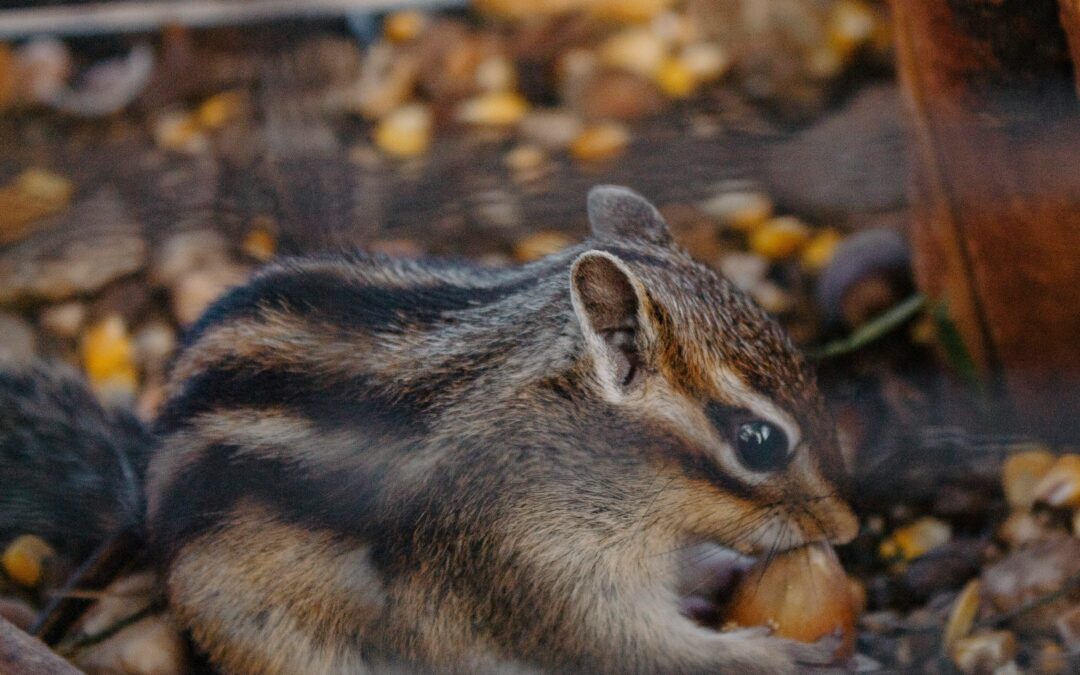
If you’ve ever watched a squirrel in action, you’ve probably seen it darting around with something in its mouth, stopping suddenly, digging into the ground, and then covering the spot as if hiding a secret. That little performance sparks a question many people ask: do squirrels really bury their nuts, or is that just a myth we like to believe about them? The short answer is yes, squirrels do bury nuts, but the long answer is way more fascinating than you might expect. Their nut-burying habits are not just random or playful; they are tied to survival, memory, instinct, and even the growth of forests.
From my own personal experience, I’ve spent hours watching squirrels in parks and backyards, and it’s surprising how clever they can be. They aren’t just hiding food, they’re planning for the future, and sometimes, unintentionally, they’re planting tomorrow’s trees.
In this blog, we’re going to dive deep into this behavior. You’ll learn why squirrels bury nuts, how they remember where they put them, what kind of nuts they choose, and even how their little habits shape entire ecosystems. By the time you’re done reading, you’ll never look at a squirrel the same way again.
Why Do Squirrels Bury Nuts?
The main reason squirrels bury nuts is survival. Unlike some animals that hibernate all winter long, squirrels stay active during the colder months. They don’t go into a deep sleep like bears or bats. Instead, they need a food supply that lasts through freezing weather when plants don’t produce fresh seeds or fruits. Nuts are perfect for this because they’re calorie-dense, rich in fats and proteins, and can last a long time if stored properly.
Burying nuts is a form of food caching. Caching means setting aside food for later. For squirrels, burying works better than just keeping everything in a single nest because it spreads out the risk. If a predator finds one stash, the squirrel doesn’t lose everything. By having hundreds of small storage spots, squirrels ensure they always have something left, even if they forget a few.
Scatter-Hoarding: The Squirrel Strategy
There are two main ways animals cache food: larder-hoarding and scatter-hoarding. Larder-hoarding means keeping all food in one large store, like a pantry. Scatter-hoarding, on the other hand, is spreading food out into many hidden spots. Squirrels are scatter-hoarders.
This strategy might seem risky since it relies heavily on memory, but it has big advantages. By scattering food around, squirrels make it harder for thieves to steal everything at once. Other animals like birds, raccoons, and even other squirrels might find a few caches, but not all. The spread-out system also helps reduce spoilage, since each cache has only a small amount of food.
How Do Squirrels Remember Where They Buried Their Nuts?
One of the most fascinating things about squirrels is their memory. It’s easy to assume they just dig randomly until they stumble upon something, but that’s not true. Research has shown that squirrels use a mix of spatial memory and landmarks to relocate their food.
They remember general areas where they buried things, and then they refine their search using visual cues like trees, rocks, or other landscape features. Squirrels also rely on their sharp sense of smell to zero in on hidden nuts once they’re close enough.
But here’s the twist: they don’t always remember every single cache. Studies suggest squirrels might remember about 70–80% of their hiding spots. That might sound like a failing system, but it’s actually what makes them so important to the environment.
Forgotten Nuts and the Growth of Forests
The nuts squirrels forget are not wasted. Instead, they often sprout into new plants and trees. Oaks, walnuts, hickories, and other nut-producing trees benefit enormously from squirrel activity. In many forests, squirrels are accidental gardeners, planting seeds across wide areas.
This is one of the reasons squirrels are considered a keystone species in some environments. Their nut-burying behavior shapes plant distribution and helps maintain healthy forests. Without squirrels, the natural regeneration of many tree species would slow down.
What Kinds of Nuts Do Squirrels Bury?
Squirrels aren’t picky eaters, but they do show preferences. They’ll bury nuts that last longer and eat perishable ones right away. For example, acorns are a favorite, but squirrels often sort them by type. They might eat white oak acorns quickly since they germinate faster, while they bury red oak acorns because they stay dormant longer, making them ideal for winter storage.
Walnuts, hickory nuts, and pecans are also high on their list. These nuts are tough, nutritious, and durable. Squirrels also stash seeds, pine cones, and even fungi when nuts aren’t as available.
Do All Squirrels Bury Nuts?
Not all squirrels bury nuts. Ground squirrels, for example, often hibernate and don’t rely as heavily on food caches. Tree squirrels, like the gray squirrel and fox squirrel, are the ones most famous for burying nuts. Red squirrels sometimes bury food but more often store it in piles called middens. Flying squirrels also tend to store food in tree cavities rather than burying it in the ground.
So while nut-burying is common, it’s not universal. It depends on the species, their habitat, and the kind of food available.
The Role of Instinct vs. Learning
You might wonder if burying nuts is something squirrels learn by watching others or if it’s hardwired into their instincts. The answer is a bit of both. Young squirrels show caching behavior naturally, but their skill improves with practice. Older squirrels tend to be more efficient, selecting better nuts and hiding them in more strategic locations.
This mix of instinct and learned behavior gives squirrels flexibility. They can adjust caching strategies based on food availability, competition, or seasonal changes.
Do Squirrels Ever Trick Each Other?
Interestingly, squirrels don’t just bury nuts; they also sometimes pretend to bury them. This is called deceptive caching. If a squirrel feels like another squirrel is watching, it might dig a hole, act like it’s placing a nut, and then cover it back up with nothing inside. Later, it’ll hide the nut somewhere else.
This clever behavior shows how much squirrels adapt to competition. It reduces the risk of theft and adds another layer of strategy to their survival game.
What Happens in Winter?
During winter, squirrels rely heavily on the caches they created in autumn. They’ll dig through snow to retrieve nuts buried months earlier. Their memory and smell guide them, but they also adjust to conditions. For instance, they might revisit areas where they remember hiding several caches, checking each spot until they strike gold.
Unlike hibernating animals, squirrels stay active, so their need for reliable food is even more critical. Burying nuts ensures they have energy to stay warm, move around, and escape predators during the harshest months.
Based on My Overall Experience: Watching Squirrels in Action
Based on my overall experience watching squirrels in both urban parks and wooded areas, one thing stands out: they are endlessly resourceful. You can spot patterns in their behavior depending on the season. In late summer and fall, they’re in overdrive, collecting and burying as much as possible. In winter, they’re cautious and deliberate, digging only when needed. By spring, they seem more relaxed, feeding on fresh buds and shoots while still dipping into old caches if necessary.
Seeing them dig, cover, and scamper away with such determination makes it clear this isn’t just random instinct—it’s survival strategy. And sometimes, when a squirrel forgets a nut, you’ll see the early signs of a sapling pushing through the soil months later. That’s the unseen connection between their tiny paws and the forests we walk through.
Human Impact on Squirrel Caching
Urbanization has changed squirrel behavior. In cities, where nuts may not be as abundant, squirrels adapt by caching alternative foods like birdseed, bread, or even scraps they find. While not as nutritious as natural nuts, these food sources still get buried and revisited later.
In neighborhoods with oak trees or walnut trees, squirrels thrive because they have a steady natural supply. However, when trees are cut down or replaced with non-native species, squirrel populations can struggle. Their nut-burying habit is deeply tied to the type of vegetation around them.
Fun Facts About Squirrels and Nut Burying
- Squirrels can bury thousands of nuts each season.
- Some studies show they organize nuts by type and quality, almost like a pantry system.
- Their spatial memory rivals that of some birds known for food caching, like jays.
- Forgetting nuts is not a failure but an ecological service, helping forests regenerate.
- Deceptive caching shows a surprising level of problem-solving ability in such small animals.
Conclusion
So, do squirrels bury their nuts? Absolutely, and it’s much more than a quirky habit. It’s a survival mechanism, a strategic game, and an unintentional gift to the environment. Squirrels bury nuts to prepare for winter, using memory, smell, and landmarks to find them later. They forget just enough to help forests grow, proving their role in nature is far bigger than their size suggests.
From my own personal experience, watching squirrels bury nuts has given me a new respect for them. What looks like playful digging is actually a sign of intelligence, survival instinct, and ecological importance. Next time you see a squirrel pause, dig, and scurry off, remember, you might be witnessing the planting of a future oak or walnut tree.