
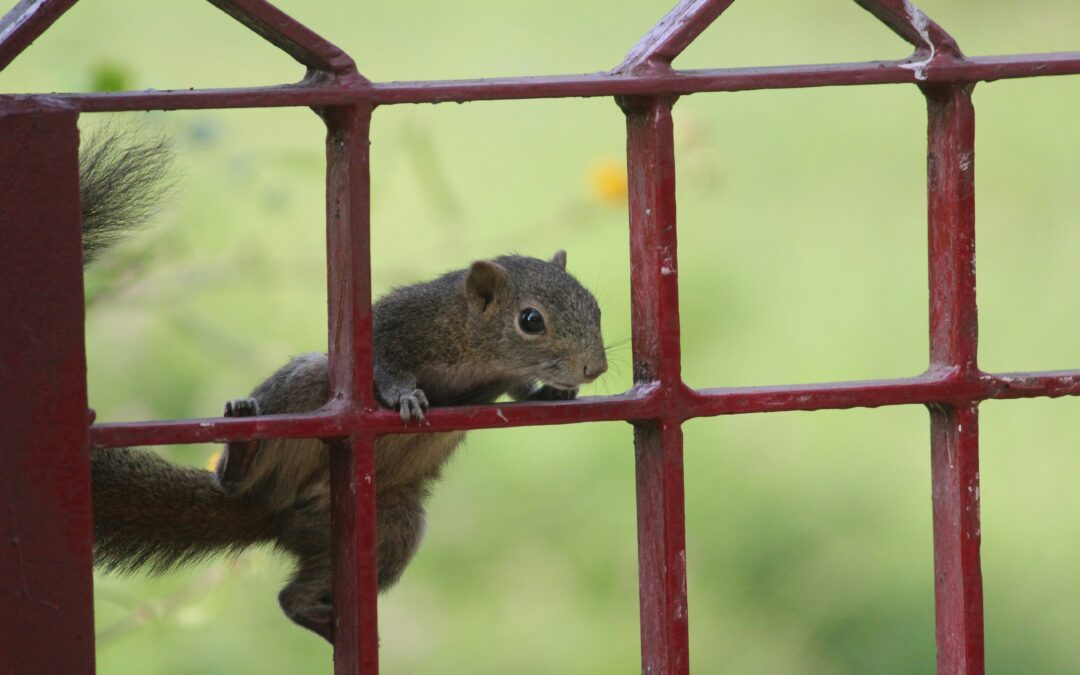
When you see a squirrel darting across a fence, climbing a tree trunk, or digging in the dirt, the first thing that probably catches your eye is its speed. But if you take a moment to watch closer, what’s really fascinating is its hands. Squirrels can grip nuts, tear through shells, and climb with precision. That raises a surprisingly fun question: do squirrels actually have opposable thumbs?
At first glance, you might think so. The way they handle food looks a lot like how people hold a peanut or twist open a shell. But the real answer is more layered, and once you understand it, you’ll see just how clever and unique these animals truly are. From my own personal experience observing squirrels in backyards and parks, I’ve noticed their ability to manipulate objects rivals even some primates, though anatomically it works differently.
Let’s break this down step by step.
What Exactly Counts as an Opposable Thumb?
Before you can answer whether squirrels have opposable thumbs, you need to know what the term means. An opposable thumb is a thumb that can rotate or pivot to touch the tips of the other fingers. That’s what allows you to pinch, grip, and hold objects with precision.
Humans have fully opposable thumbs. That’s why you can pick up a pen, peel an orange, or tie shoelaces. Primates like chimpanzees and gorillas also have opposable thumbs, although their dexterity is slightly different from ours. Even some other animals, like koalas and pandas, have versions of opposable thumbs adapted for climbing or handling bamboo.
So, the definition is clear: for a true opposable thumb, the digit has to rotate and press against the other fingers.
The Anatomy of a Squirrel’s Paw
Now, let’s zoom in on a squirrel’s paw. Squirrels have four fingers and one elongated digit on their front paws. At first glance, that fifth digit looks like a thumb. But anatomically, it’s not a true opposable thumb.
Instead, squirrels have what biologists call a pseudo-thumb or partially opposable digit. This digit doesn’t rotate in the same way a human thumb does. However, it sits at just the right angle to give squirrels an incredible gripping ability.
Here’s what makes their paws special:
- Curved claws: Each digit ends in a sharp, curved claw that digs into bark, dirt, or shells.
- Flexible joints: The digits spread wide, letting squirrels grip surfaces at multiple angles.
- Palm pads: The pads give traction, almost like the tread on shoes, preventing slips.
- Thumb-like digit: It’s not fully opposable, but it works enough to pinch or trap objects against other fingers.
This setup is why squirrels can cling to tree bark upside down or hold an acorn steady while gnawing at it.
So, Do Squirrels Have Opposable Thumbs?
The short answer: no, not in the strict sense.
Squirrels do not have fully opposable thumbs like humans or primates. What they have is a digit that functions like a thumb in certain situations, but without the same rotational ability. This pseudo-thumb still gives them a remarkable advantage in climbing and handling food.
Think of it as a halfway point. It’s not a true thumb, but it works almost as well for their needs. Evolution didn’t give squirrels full opposability because they don’t need it. Their claws, speed, and sharp teeth do the rest of the job.
How Squirrels Use Their Pseudo-Thumbs in Daily Life
Even without a real thumb, squirrels are masters of precision. Watch one in action and you’ll notice several impressive behaviors tied to their paw anatomy.
1. Climbing with ease
Squirrels can climb up, down, and even hang upside down on trees. Their thumb-like digit helps anchor their grip while the other fingers spread wide and dig in. This combination gives them unmatched balance and agility.
2. Handling nuts and seeds
You’ve probably seen a squirrel sit upright, holding a nut between its paws while it gnaws away. That action looks surprisingly human-like. The pseudo-thumb stabilizes the nut while the other fingers rotate it into position.
3. Digging and burying food
Squirrels are famous for caching food. When they dig small holes to hide acorns, their thumb-like digit helps scoop soil and hold objects steady. Without this adaptation, food storage would be much less efficient.
4. Self-grooming
Their paws are also vital for grooming. The semi-opposable digit helps them scratch, clean, and maintain their fur. Grooming isn’t just vanity, it’s survival, since clean fur helps regulate temperature and ward off parasites.
How Do Squirrels Compare to Other Animals?
To understand squirrels better, it helps to compare them with animals that do and don’t have opposable thumbs.
- Humans and primates: Full opposable thumbs, extreme precision.
- Koalas: Two opposable digits per hand for climbing.
- Pandas: A modified wrist bone that works like a thumb, mainly for grasping bamboo.
- Cats and dogs: No opposable thumbs, but retractable claws for climbing and hunting.
- Squirrels: Semi-opposable digit, excellent grip, but not true thumb function.
This puts squirrels in an interesting middle ground. They aren’t thumb-less like cats, but they’re not thumb masters like humans. Their adaptation is unique, tailored to their lifestyle.
Why Evolution Didn’t Bother with a Real Thumb for Squirrels
If thumbs are so useful, why didn’t squirrels evolve full opposable thumbs? The answer lies in their environment and survival strategies.
Squirrels don’t need to tie knots, build tools, or write. What they need is speed, agility, and grip strength. Their pseudo-thumb plus sharp claws give them exactly that. A true opposable thumb might even slow them down, since it would require different bone structures and muscle attachments.
Evolution is efficient. Squirrels have the perfect design for their lifestyle: scampering up trees, leaping across branches, and cracking open food. A true thumb just isn’t necessary.
Fun Facts About Squirrel Hands
- Baby squirrels use their paws to cling to their mothers within days of birth.
- Their paw prints are easy to spot in snow, often showing four long fingers and that small fifth digit.
- Some species of squirrels, like flying squirrels, rely on their paw grip to control gliding membranes during flight.
- Their claws grow continuously, so their grip stays sharp and effective.
- Squirrels can rotate their hind ankles almost 180 degrees, letting them climb headfirst down trees, something even monkeys struggle with.
What This Means for People Watching Squirrels
Next time you see a squirrel in your yard, take a closer look at how it uses its paws. You’ll notice the way it turns a nut, clings to a surface, or balances while eating. Once you know that what looks like a thumb isn’t truly opposable, it changes how you see their cleverness.
From my overall experience, understanding the details of how squirrels’ paws work makes watching them even more fascinating. You start appreciating the tiny evolutionary choices that shaped them into survivors.
Final Thoughts
So, do squirrels have opposable thumbs? Strictly speaking, no. What they have is a pseudo-thumb, a digit that mimics some functions of a thumb without being truly opposable. This unique feature gives them the grip and dexterity they need to thrive in trees, handle food, and adapt to changing environments.
From my own personal experience, once I learned this detail, it made every squirrel I saw seem even more impressive. Their paws may not match human hands, but for their world, they’re perfect tools of survival.
And that’s the beauty of it, nature doesn’t always copy one design. Sometimes, it finds a different solution that works just as well.