
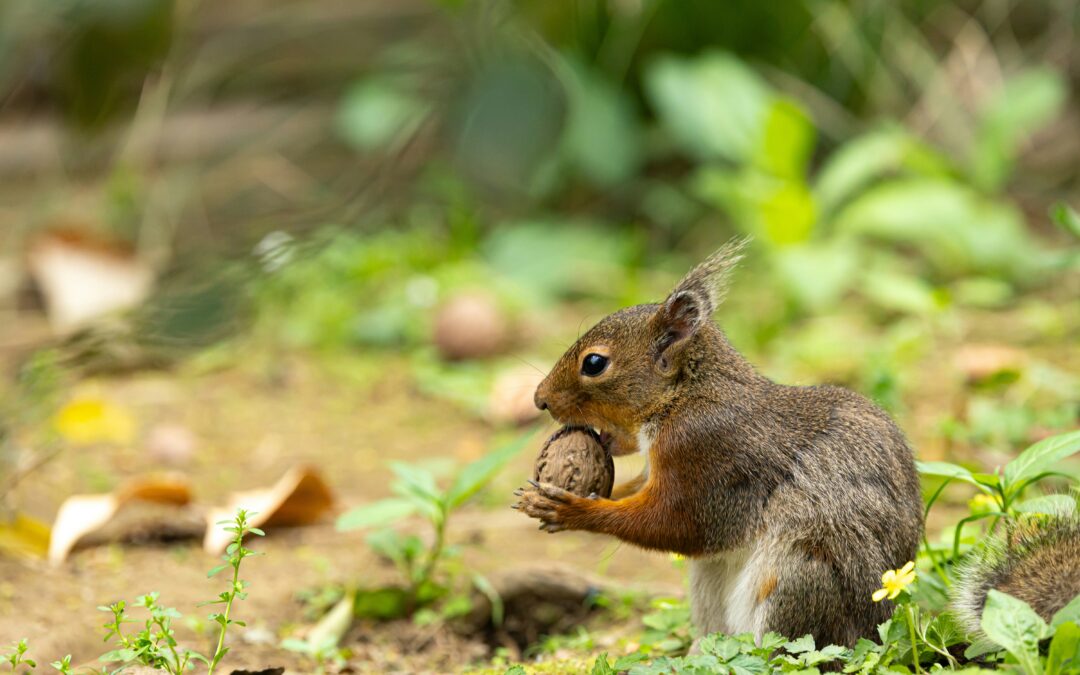
Squirrels are fascinating little creatures. They are agile, clever, and surprisingly picky when it comes to food. A common question many wildlife enthusiasts, pet owners, and backyard gardeners ask is: can squirrels eat pistachios? The answer is yes, but there’s more to it than just tossing a few nuts in the yard. Let’s break it down.
Let’s Understand the Squirrel Diet Here
Squirrels are primarily herbivores, although they sometimes eat small insects or bird eggs. Their diet in the wild consists mainly of nuts, seeds, fruits, vegetables, and occasionally fungi. In urban and suburban areas, they often scavenge for human food, which can sometimes lead to health problems if their diet is unbalanced.
Nuts are a favorite for squirrels because they provide the fats and proteins needed for energy, especially during colder months. Pistachios are high in protein, healthy fats, and various nutrients, which makes them a seemingly good option. But it’s essential to consider preparation, quantity, and potential risks.
Pistachios and Squirrels: Are They Safe?
Yes, squirrels can eat pistachios, but there are a few key things to remember:
Unsalted is Key: Most pistachios sold for humans are salted. Salt can be harmful to squirrels and can lead to dehydration or even kidney issues. Always offer unsalted pistachios if feeding squirrels.
In-Shell vs. Shelled: Squirrels enjoy the challenge of cracking shells. In-shell pistachios are safe and stimulating because they mimic the natural foraging behavior squirrels would have in the wild. Shelled pistachios are okay too, but they’re easier to overeat, which can cause digestive issues.
Moderation Matters: Pistachios are calorie-dense. While they are healthy in small amounts, too many can lead to obesity or digestive upset in squirrels. Offering 1–2 pistachios at a time is plenty for a small squirrel.
Monitor for Allergic Reactions: Although rare, squirrels can have reactions to specific nuts. Introduce pistachios gradually and watch for any signs of illness, such as lethargy, vomiting, or diarrhea.
Nutritional Benefits of Pistachios for Squirrels
Pistachios are more than just a tasty snack, they pack a nutritional punch. Here’s what they provide:
- Protein: Supports growth, muscle maintenance, and overall energy levels.
- Healthy Fats: Essential for warmth and energy storage, especially in colder months.
- Fiber: Aids digestion and helps prevent constipation.
- Vitamins and Minerals: Pistachios contain B vitamins, vitamin E, magnesium, and potassium, all beneficial for a squirrel’s health.
From my own personal experience, offering pistachios to squirrels in moderation seems to make them energetic and playful. The small treats are quickly sought after, and watching them crack the shells open is a delightful activity in itself.
How to Offer Pistachios to Squirrels Safely
Feeding squirrels can be fun, but safety for both humans and squirrels is important. Here are a few tips:
- Use a Squirrel Feeder: This prevents overfeeding and keeps pistachios off the ground, reducing the risk of mold or contamination.
- Avoid Salted or Flavored Nuts: Stick strictly to raw or roasted unsalted pistachios.
- Wash Hands Before and After Feeding: Squirrels can carry diseases, and pistachios can accumulate dust or bacteria if handled.
- Limit Frequency: Offering pistachios occasionally is fine, but daily feeding can lead to dependency on human-provided food rather than foraging skills.
Are There Risks in Feeding Squirrels Pistachios?
Yes, even healthy nuts can pose some risks if not offered carefully:
- Digestive Problems: Overfeeding can lead to stomach upset, diarrhea, or constipation.
- Obesity: Pistachios are calorie-rich, and too many can cause weight gain and health issues.
- Behavior Changes: Frequent feeding can cause squirrels to become aggressive or lose their natural fear of humans.
- Choking Hazards: Whole nuts can sometimes be difficult to swallow, especially for smaller or younger squirrels.
Signs a Squirrel Is Enjoying Pistachios
It’s easy to tell if a squirrel is happy with its treat. Healthy, energetic squirrels will:
- Crack the shell eagerly
- Eat the nut quickly and return for more
- Show playful, alert behavior afterward
If a squirrel seems lethargic, refuses the nut, or shows signs of discomfort, it’s best to stop feeding pistachios and monitor for any health issues.
Alternative Nuts for Squirrels
Pistachios are great, but squirrels can also enjoy a variety of other nuts safely. Some good alternatives include:
- Almonds (unsalted, preferably in-shell)
- Walnuts
- Hazelnuts
- Pecans
- Peanuts (unsalted, raw or roasted)
Mixing nuts can give squirrels a balanced diet and prevent over-reliance on a single food source.
Observing Wild Squirrels: From My Own Personal Experience
Watching squirrels enjoy pistachios can be entertaining. In my backyard, squirrels will often leap from branches to snatch the nuts and retreat to a safe spot to crack them open. The act of shelling the nuts provides mental stimulation and mirrors their natural foraging behaviors.
I’ve also noticed that offering pistachios occasionally, rather than daily, keeps squirrels healthy and engaged without causing dependency. They remain active and curious, and their interactions become a daily highlight in my yard.
Conclusion: Pistachios Can Be a Treat, Not a Staple
So, can squirrels eat pistachios? Absolutely, as long as the nuts are unsalted and offered in moderation. Pistachios are nutritious, enjoyable, and provide mental stimulation when squirrels crack open the shells. The key is to offer them occasionally, avoid overfeeding, and ensure the squirrels maintain a balanced diet.
Feeding wildlife responsibly creates a win-win situation. Squirrels get a tasty treat, and backyard watchers get a fun, engaging activity. From my own personal experience, providing pistachios occasionally is one of the simplest and most enjoyable ways to connect with nature without harming the animals.
Bonus Tips for Squirrel Enthusiasts
- Observe Without Disturbing: Give squirrels space to enjoy their pistachios. Avoid sudden movements that could scare them.
- Avoid Human Foods: Chocolate, candy, or salty snacks are toxic to squirrels. Stick to natural nuts and fruits.
- Encourage Foraging: Scatter nuts rather than piling them in one spot. This promotes natural behaviors and keeps squirrels active.
- Seasonal Adjustments: Squirrels need higher-calorie diets before winter. Small amounts of pistachios can help, but natural foraging should remain the primary food source.
Offering pistachios is a small, rewarding way to connect with wildlife. They’re safe, tasty, and a perfect occasional treat that keeps squirrels engaged and active.