
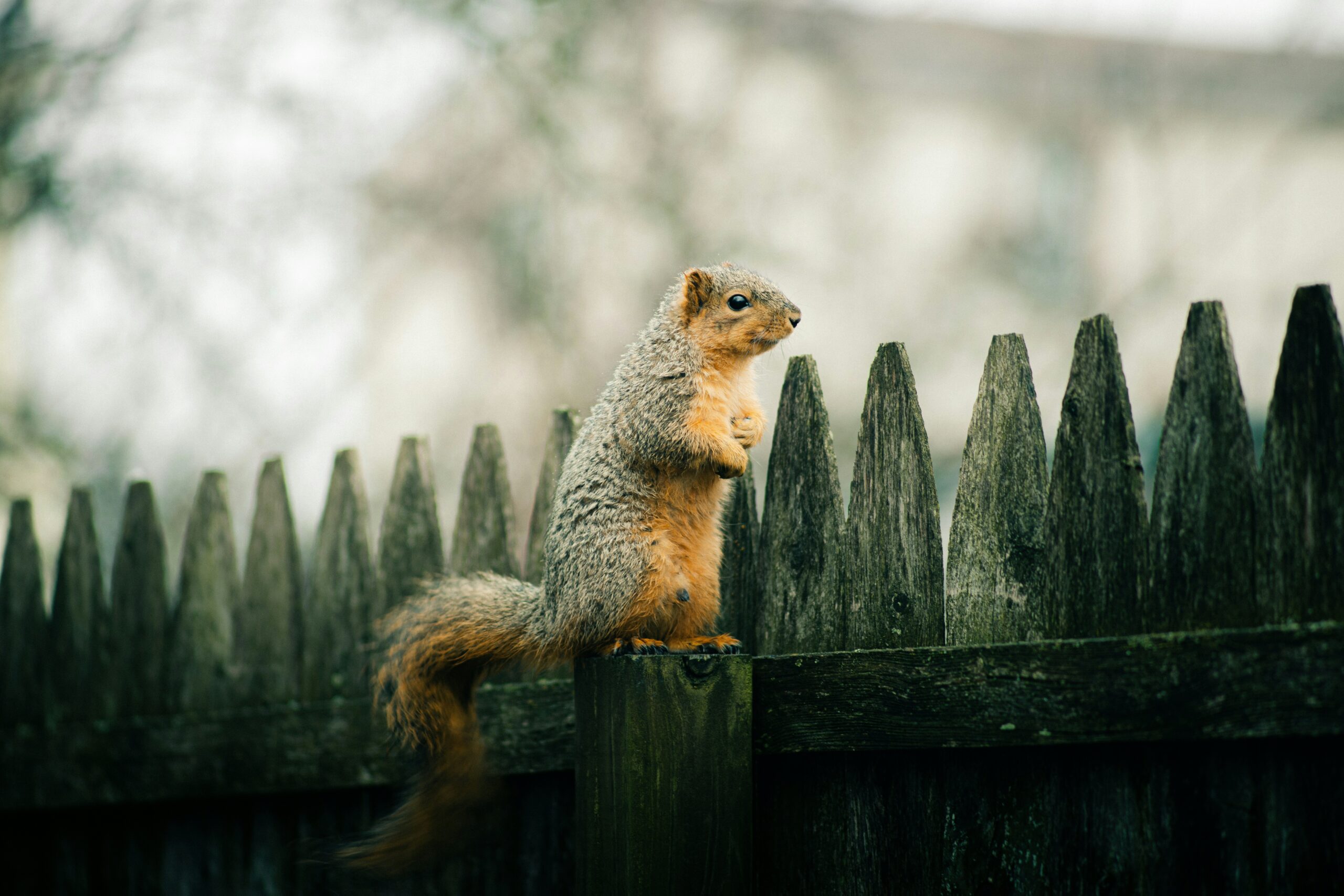
Squirrels might look cute when you see them chasing each other in the park, but things feel very different when they start making your home their playground. These little creatures are clever, fast, and surprisingly destructive when they get too close to your living space. Once they figure out that your house has food, shelter, or easy hiding spots, they’ll keep coming back unless you take action.
From my own personal experience, dealing with squirrels can quickly move from being a funny story to a serious headache. They chew on wires, dig in gardens, sneak into attics, and sometimes even find ways into walls. If you don’t address the problem early, you might end up with damage that takes time, money, and energy to repair. The good news is that there are many ways to keep squirrels away without harming them, and I’ll walk you through the best methods step by step.
Why Do Squirrels Come Near Your House?
Before figuring out how to keep squirrels away, you need to know why they’re so drawn to houses in the first place. They aren’t showing up by accident. Your home might be offering exactly what they’re looking for.
- Food Sources: Bird feeders, pet food left outside, fruit trees, or even open garbage bins are like an all-you-can-eat buffet for squirrels.
- Shelter: Attics, sheds, chimneys, and even spaces under decks give them warmth and safety from predators.
- Nesting Materials: Loose insulation, dry leaves, or soft debris can all be used to build nests.
- Water Supply: Birdbaths, pet water bowls, or leaky outdoor faucets attract them.
Understanding these reasons is the first step to keeping them away. If you remove what’s attracting them, you already make your home less interesting.
How to Spot Squirrel Activity Around Your House
Sometimes squirrels are sneaky, and you may not notice right away that they’re causing trouble. If you learn how to spot the signs early, you can stop them before the problem gets bigger.
- Scratching or Scurrying Sounds: If you hear noises in the attic, walls, or roof during the day, that’s often a sign.
- Chew Marks: Squirrels chew wood, plastic, and wires. Finding gnaw marks is a big clue.
- Droppings: Small, pellet-shaped droppings are common near entry points or nesting areas.
- Damaged Bird Feeders: If your bird feeders look chewed up or constantly empty, squirrels are likely behind it.
- Tracks or Digging: Look for small paw prints in garden soil or chewed-up flowerbeds.
Once you’re sure squirrels are hanging around, it’s time to take control.
Securing Your Attic and Roof
Your attic is a squirrel’s dream home. It’s warm, safe, and high off the ground. That’s why one of the most important steps is securing your roof and attic.
- Seal Entry Points: Check for gaps, holes, or broken vents around your roofline. Squirrels only need a small opening to squeeze in. Use heavy-duty wire mesh or sheet metal to cover any vulnerable spots.
- Trim Overhanging Branches: If tree branches touch your roof, squirrels will use them as bridges. Cutting them back at least six to eight feet gives squirrels fewer access points.
- Chimney Caps: Open chimneys can become easy entrances. Installing a chimney cap blocks them while still allowing smoke to escape.
- Reinforce Weak Areas: Pay extra attention to soffits, eaves, and fascia boards. Squirrels are strong chewers and will target softer wood.
By locking down your attic and roof, you take away one of the most common hiding spots.
Protecting Your Garden and Yard
If you love gardening, you already know how destructive squirrels can be. They dig up bulbs, eat fruit, and sometimes damage plants just for fun. Keeping them out of your yard takes a mix of prevention and deterrence.
- Netting and Fencing: Use garden netting to protect vegetables or fruit trees. For bulbs, place chicken wire over the soil after planting.
- Motion-Activated Sprinklers: These devices spray water when movement is detected. Squirrels hate sudden water bursts.
- Natural Repellents: Spreading cayenne pepper, garlic powder, or coffee grounds around garden beds can discourage digging.
- Squirrel-Proof Bird Feeders: If you feed birds, get feeders designed with weight-sensitive mechanisms that close off access when a squirrel climbs on.
- Clean Up Fallen Fruit: If you have fruit trees, pick up anything that drops on the ground. Otherwise, it’s free food for squirrels.
Your goal here is to make your yard less inviting. If food is harder to find, squirrels will move on.
Securing Garbage and Outdoor Food
Open trash cans or leftover food are like magnets for squirrels. If they find an easy meal, they’ll be back every day.
- Use Tight-Fitting Lids: Always secure garbage cans with lids that snap shut or add bungee cords for extra protection.
- Store Pet Food Indoors: Never leave dog or cat food outside. Squirrels will find it quickly.
- Compost Carefully: If you compost, avoid throwing food scraps out in the open. Use a closed bin instead of an open pile.
A squirrel that can’t find food around your house has less reason to stick around.
Using Scents Squirrels Dislike
Squirrels rely heavily on their sense of smell, and certain scents make them turn the other way. You can use this to your advantage.
- Peppermint Oil: Soak cotton balls in peppermint oil and place them near entry points or garden beds.
- Vinegar Spray: A mix of vinegar and water sprayed around sheds or attics can act as a repellent.
- Predator Urine: Some garden stores sell products made with fox or coyote urine. The smell makes squirrels think predators are nearby.
These scents aren’t a one-time fix. You’ll need to reapply them often, especially after rain, but they’re a safe and natural option.
Humane Trapping and Relocation
If squirrels are already inside your house or causing damage, humane traps can help you remove them.
- Choose Live Traps: Wire cage traps baited with nuts or seeds usually work well.
- Place Them Near Entry Points: Position traps where you’ve seen squirrel activity.
- Check Regularly: Never leave a trapped squirrel for too long. Relocate them to a safe spot far enough from your home.
- Check Local Laws: Some areas have rules about relocating wildlife, so always double-check before you do it.
This method requires patience, but it’s an effective way to get rid of squirrels without harming them.
Preventing Re-Entry After Removal
Getting rid of squirrels is one thing, but keeping them from coming back is another. Once they’ve found a way into your home, they’ll keep trying unless you seal it properly.
- Inspect Weekly: After removing squirrels, walk around your home weekly to check for new holes or chew marks.
- Use Metal Barriers: Squirrels can chew wood and plastic, but not steel mesh or metal flashing.
- Repair Quickly: Any small opening should be fixed immediately before squirrels have time to exploit it.
Consistency is key here. If you stay on top of repairs, squirrels won’t get a second chance.
When to Call in Professionals
Sometimes, the problem can feel too big to handle alone. If you’ve tried everything and squirrels still keep coming back, calling a wildlife control service might be the best option. Professionals can:
- Identify hidden entry points you may have missed.
- Safely remove squirrels and nests.
- Install long-term prevention measures.
While it’s possible to handle most situations yourself, professional help saves time if things are already out of control.
Final Thoughts
Keeping squirrels away from your house takes time, effort, and a combination of strategies. You need to understand what attracts them, secure your home, protect your yard, and make sure they can’t find food or shelter. Squirrels are persistent, but with the right steps, you can make your property a place they’d rather avoid.
Based on my overall experience, the key is consistency. A single fix won’t solve everything, but small actions repeated over time add up to big results. Whether it’s sealing roof gaps, trimming branches, or using scents they dislike, each step makes your home less attractive to squirrels.
If you’ve ever had to deal with these animals, you know how frustrating it can be. But the good news is that you can protect your house without harming them. It’s all about making your space unwelcoming to squirrels while keeping it safe for you and your family.