
If you’ve ever dealt with red squirrels, you already know they can cause more headaches than their small size suggests. These little creatures look harmless, but once they decide your attic, garage, or garden is their new home, it feels like they’re running the place. Getting rid of them takes more than just setting out a trap. It’s about understanding why they’re there, how to stop the damage, and how to keep them away for good.
I’ll walk you through this step by step, with plenty of detail. From my own personal experience, I know how stubborn red squirrels can be, so everything here is practical and grounded in what actually works.
Let’s Understand Red Squirrels All About
Before you jump into removal, you need to know what you’re dealing with. Red squirrels are smaller than gray squirrels and a lot more territorial. They defend their space aggressively, which is why once one moves into your attic or shed, it won’t easily leave.
They feed on nuts, seeds, fruits, bird eggs, and even bark from trees. Their constant chewing isn’t just a quirk, it’s necessary for their teeth. But when that chewing happens on your insulation, wiring, or wooden beams, it becomes a big problem.
If you hear scratching sounds during the day, especially in the early morning or late afternoon, there’s a good chance you’re dealing with a red squirrel.
Why Red Squirrels Are a Problem
Red squirrels may look cute, but the damage they cause can be severe:
- They chew wires, creating fire hazards.
- They tear up insulation, leaving your home drafty.
- They gnaw holes into wood and siding.
- They raid bird feeders and scare away local wildlife.
- They leave droppings that carry diseases.
And because they breed quickly, what starts as one squirrel can turn into several within a season.
Step 1: Confirm You Have Red Squirrels
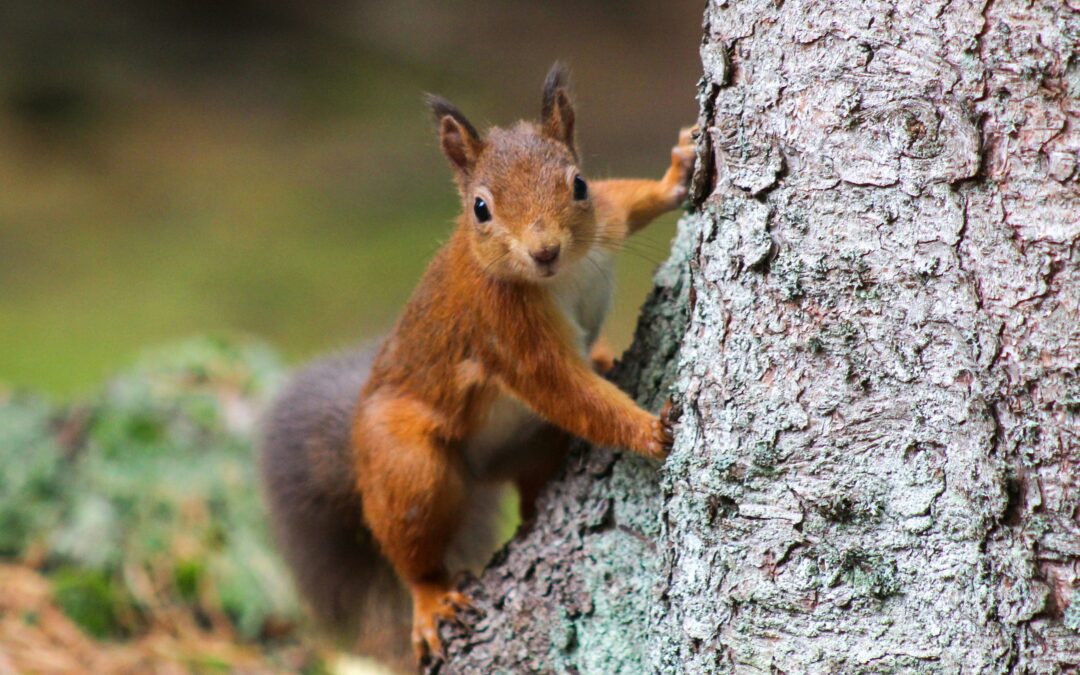
Not every squirrel is a red squirrel, so the first step is making sure. Red squirrels are smaller, reddish-brown, and have tufted ears, especially in winter. Unlike gray squirrels, they’re more solitary and will defend their nest. If you spot a single squirrel repeatedly in your space, chances are it’s a red squirrel.
Look for these signs:
- Small gnawed holes in siding or soffits.
- Pinecone piles or seed caches.
- Fast, scratchy sounds during daylight.
Step 2: Inspect Entry Points
Red squirrels don’t just appear in your attic, they find a way in. Check your roofline, vents, chimneys, and any small gaps. They only need an opening about the size of a golf ball to squeeze through. Shine a flashlight into dark corners and look for chewed edges or greasy fur marks.
Step 3: Remove Food Sources
You can’t get rid of red squirrels if you’re feeding them without realizing it. Bird feeders are their favorite target, but pet food, compost bins, and unsecured trash are also magnets. Switch to squirrel-proof bird feeders, secure your garbage, and keep pet food indoors.
If you cut off easy food, they have less reason to stay.
Step 4: Scare Them Away
Sometimes, you can convince red squirrels to move without trapping. Loud noises, predator scents, or bright lights can make them uncomfortable. Motion-activated sprinklers in the yard or ultrasonic repellents near entry points can also help.
From my own personal experience, red squirrels hate change. If you make their favorite spot unpredictable, loud one day, bright the next, they often give up and move somewhere quieter.
Step 5: Use Live Traps Safely
If scaring them away doesn’t work, live trapping is the next option. A cage trap baited with peanut butter, sunflower seeds, or apple slices usually works well. Place the trap near their entry hole or along their regular path.
Check local laws before trapping, some areas protect red squirrels or restrict relocation. If it’s legal, release them far enough away (at least five miles) so they don’t return.
Step 6: Seal Entry Points
Trapping one squirrel won’t fix the problem unless you seal the openings. Use heavy-duty wire mesh or metal flashing over vents, gaps, and chimneys. Make sure to wait until you’re certain no squirrels are inside—otherwise, you’ll trap them in, and they’ll cause even more damage trying to get out.
Do a full sweep of your house exterior, because red squirrels will look for any weak spot to get back inside.
Step 7: Protect Your Garden and Yard
Red squirrels don’t just stick to houses, they love gardens too. They’ll dig up bulbs, eat fruits, and strip bark from trees. To protect your plants:
- Wrap tree bases with metal guards.
- Use netting over fruit bushes.
- Install raised garden covers for vegetables.
Keeping your yard less inviting makes it harder for squirrels to thrive near your home.
Step 8: Long-Term Prevention
Getting rid of red squirrels is only half the battle, you have to make sure they don’t come back. Here are some long-term steps:
- Trim tree branches that touch your roof.
- Keep firewood and brush piles away from the house.
- Regularly check for new holes or gnaw marks.
- Stick with squirrel-proof feeders if you love feeding birds.
Consistency is what keeps your space squirrel-free.
Step 9: Professional Help
Sometimes, no matter how much you try, red squirrels don’t leave. In that case, calling a wildlife removal professional is worth it. They know safe trapping methods, have the right equipment, and can seal your home properly. While it costs more, it saves time and prevents further damage.
Step 10: Living With Red Squirrels Nearby
In some areas, red squirrels are part of the local ecosystem, and complete removal may not be realistic. The goal then shifts from elimination to management. By protecting your house and yard, you can live alongside them without letting them take over.
Final Thoughts
Red squirrels are persistent, but you can get rid of them if you approach it with patience and strategy. Start by removing food, then scare them off or trap them, and finally seal every possible entry point. Protect your garden, check for signs regularly, and don’t be afraid to call in professionals if needed.
Based on my overall experience, red squirrels won’t leave overnight, but if you stick to these steps, you’ll win the battle. The key is consistency, because the moment you let your guard down, they’ll try to sneak back in.