
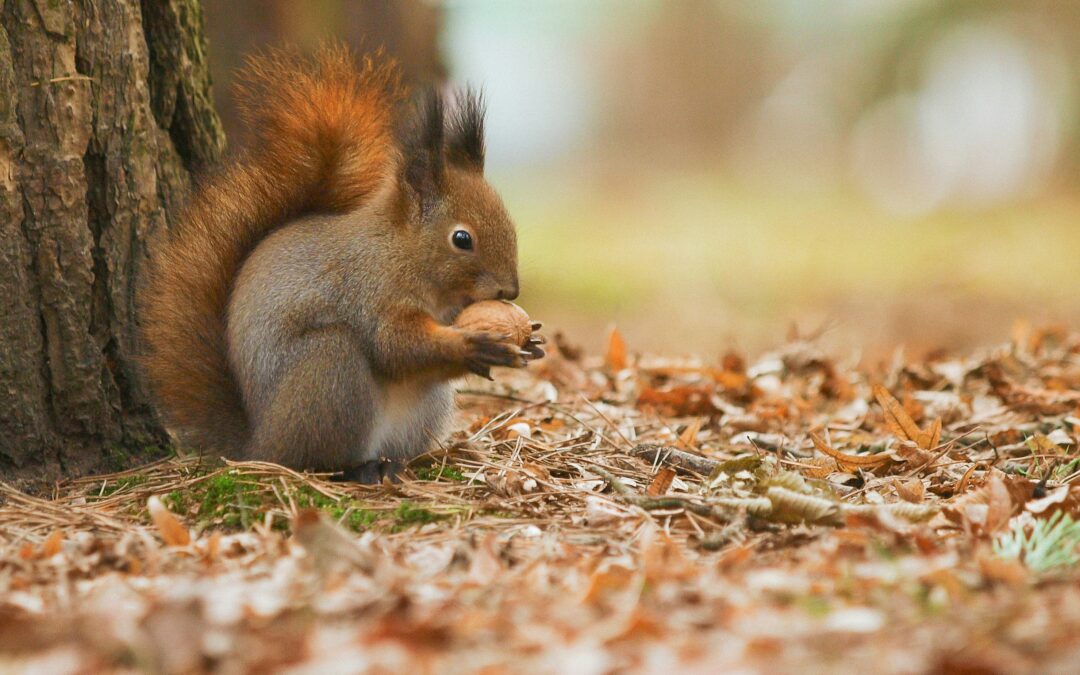
When you see something small, furry, and fast darting across your yard, your mind quickly asks the question: is that a squirrel or a rat? Both animals move quickly, both climb with ease, and both are common in cities and suburbs. Yet, while squirrels are often seen as harmless or even cute, rats bring a sense of worry, disgust, or even fear. But how fair is this difference in reputation? Should you really be more afraid of rats than squirrels, or are the differences more blurred than you think?
This is a question people don’t always dig into deeply, but it matters more than you’d expect. Both squirrels and rats share traits, habits, and challenges that impact human homes and lifestyles. Understanding how they compare helps you deal with them better, whether you’re protecting your attic, your garden, or simply your peace of mind.
In this post, I’ll take you through a detailed breakdown of squirrels and rats, their behaviors, risks, benefits, and the reasons people react so differently to them. And yes, I’ll add my own perspective, because from my own personal experience, these animals are more complicated than they first appear.
How Squirrels and Rats Look Alike
At first glance, squirrels and rats share a lot in common. Both are rodents, which means they belong to the same scientific order. They have sharp teeth for gnawing, small hands for gripping, and tails that balance their movement. In certain low light conditions, you may not even be able to tell which one just scurried by.
But if you take a closer look, the physical differences stand out:
Tails: Squirrels have bushy tails, while rats have long, thin, hairless tails. This alone is often the giveaway when you’re unsure which you’ve spotted.
Size: Squirrels generally grow larger than rats, especially tree squirrels that can stretch up to 20 inches including their tails. Rats, while long, appear slimmer and less “fluffy.”
Face and Ears: Squirrels have big, round eyes and more noticeable ears, which make them look friendlier. Rats have smaller eyes and ears, which contributes to their less appealing reputation.
Fur Quality: Squirrel fur looks thicker and softer. Rats often appear with shorter, rougher fur that doesn’t catch the light in the same way.
Appearance plays a big role in perception. A bushy tail and round eyes make one animal “cute,” while the other is “creepy.” But physical traits are just one part of the story.
Behavior in the Wild
When you observe squirrels outside, you’ll see them running up trees, leaping across branches, and burying nuts. They appear active, playful, and busy. People often enjoy watching them because their movements look entertaining and harmless.
Rats, on the other hand, are usually seen in less appealing places: near garbage bins, sewers, or dark alleyways. They are also nocturnal, which means you mostly notice them at night when they’re harder to spot clearly. This fuels the idea that they are “sneaky” or “dirty,” even though that’s more about environment than the animal itself.
Interestingly, both animals are clever problem-solvers. They learn quickly, adapt to human spaces, and use creativity to survive. In fact, many scientists consider rats to be some of the most intelligent rodents, capable of learning mazes, solving puzzles, and even showing empathy.
So why does one species get praised for its smarts while the other gets vilified? Much of it comes down to human bias shaped by where we tend to see them.
Why People Fear Rats More Than Squirrels
The fear of rats has deep roots in history. For centuries, rats have been linked to disease outbreaks. The most infamous example is the plague, which spread in Europe during the Middle Ages. Even though fleas carried the plague, rats were the hosts that made transmission possible. That association stuck, and to this day rats are seen as dirty and dangerous.
Squirrels, by contrast, were never linked to major disease outbreaks in human memory. They lived in forests, parks, and trees, away from garbage and sewage. People connected them with nature, not illness. This simple difference in historical context plays a massive role in how we feel about them today.
Do Squirrels and Rats Carry Diseases?
Yes, both can spread diseases. But the scale and likelihood differ.
Rats: Known carriers of diseases such as leptospirosis, salmonella, and hantavirus. Their tendency to live close to waste increases the chance of spreading harmful bacteria.
Squirrels: Can also carry diseases, but transmission to humans is rare. Some squirrels may carry ticks that cause Lyme disease, or rarely, parasites that can infect pets.
In practical terms, the health risks from rats are far higher than from squirrels. This is one of the main reasons rats inspire fear, while squirrels get more of a pass.
Property Damage: Both Can Be a Problem
While people often focus on health risks, property damage is another big issue with rodents. Both squirrels and rats can cause costly damage if they decide your home is their home.
Squirrels: Known for chewing on wires in attics, nesting in chimneys, or tearing insulation apart. Once inside, they can be noisy, scratching and scurrying at all hours.
Rats: Chew constantly to wear down their teeth, which can destroy wiring, wood, and even metal. They also dig burrows around foundations, weakening structures.
In this category, both animals are destructive. The difference is that squirrels are usually limited to attics and roofs, while rats can spread through entire structures, including walls, basements, and crawl spaces.
Intelligence and Adaptability
Both species are smart, but in different ways.
Squirrels: Experts at food storage. They bury nuts in multiple spots, relying on memory and scent to retrieve them later. Their adaptability in urban areas shows their resourcefulness.
Rats: Highly trainable and social. They learn patterns, remember routes, and work in groups. Scientists often use rats in experiments because of their problem-solving ability.
So while squirrels impress you with athletic leaps and memory tricks, rats impress researchers with their ability to adapt to puzzles and human environments.
The Emotional Bias
It’s impossible to ignore how human emotions shape the way these animals are perceived. A squirrel on a park bench gets photographed and shared online. A rat in the same spot gets a scream or a stomp.
This bias comes down to aesthetics, environment, and history. But it also shows how much of our fear is socially learned rather than based on actual danger.
Should You Be Afraid of Them?
The short answer: you should be cautious of both, but afraid of neither.
Squirrels: Generally harmless if left alone, but not pets. They can bite if cornered, and they can damage property if they invade.
Rats: Higher risk due to health and property concerns. But fear doesn’t mean panic. they’re animals trying to survive. With proper control and prevention, you can limit risks without falling into fear.
The best approach is respect. Both animals are part of the ecosystem and serve roles, whether spreading seeds (squirrels) or breaking down waste (rats).
From My Own Personal Experience
I’ve had both squirrels and rats near my home at different times. Based on my overall experience, squirrels felt easier to handle. They kept to trees and only occasionally poked around near the roofline. Rats, however, felt more intrusive. I once discovered chew marks near basement wiring that made me realize just how much damage they can do silently. That was enough to convince me that fear is less important than awareness. If you know what these animals are capable of, you can stay calm and act smartly.
Final Thoughts
Squirrels and rats may share a family tree, but their reputations couldn’t be more different. One is seen as playful, the other as pestilent. Yet when you strip away the bias, both are just rodents doing what they must to survive in a world dominated by humans.
Should you be afraid? Not really. But you should respect the risks they pose, whether it’s disease, damage, or disruption. By understanding them better, you can approach them with knowledge instead of fear. And that’s a far healthier way to live alongside the creatures that share your environment.